
Since 2012, the Week in Review keeps you ahead of the curve with in-depth analysis of the trends in the region, based on AL-MONITOR’s world class reporting.
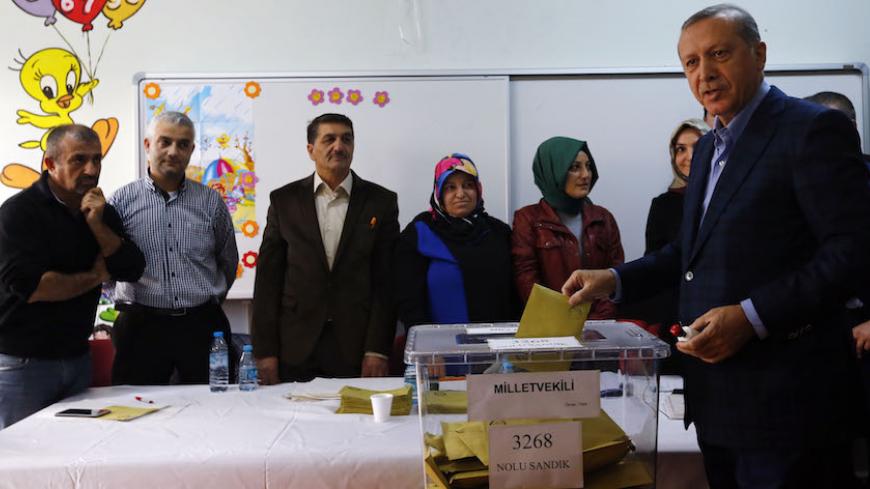
Turkey’s dispiriting elections
Erdogan offers an uncertain democratic future for Turkey; Syria Contact Group avoids divisions over Assad’s fate; Iranian and Russian support pivotal in Syrian military campaign to retake Aleppo.
No breakthrough in Syria possible without Iran
Russian foreign minister dismisses rumors of a deal on Assad ahead of Syria talks; Hezbollah takes casualties in Hama; Turkey’s headache over US support for Syrian Kurds; days of rage in Gaza.
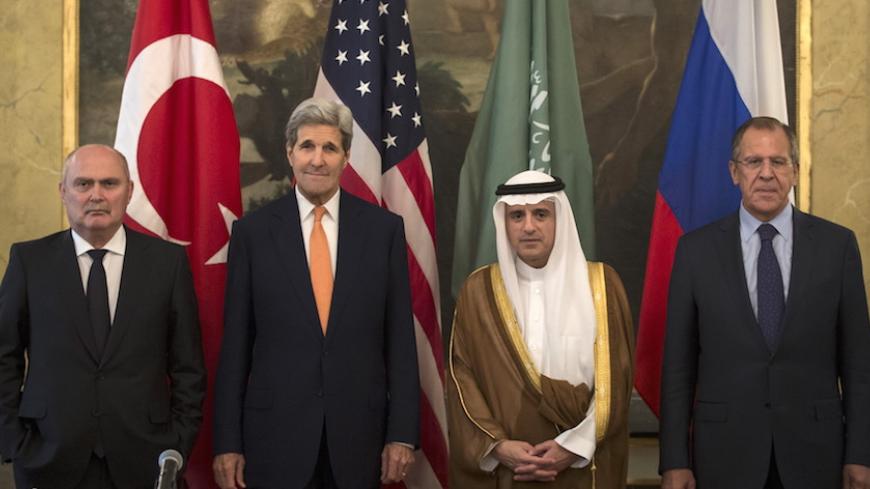
Are we witnessing ‘Syrianization’ of Turkey?
Turkish President Recep Tayyip Erdogan claims “no difference” between Islamic State and Syrian Kurdish group backed by the United States; Syrian opposition groups reject UN talks; did Netanyahu ignore warnings about an intifada?
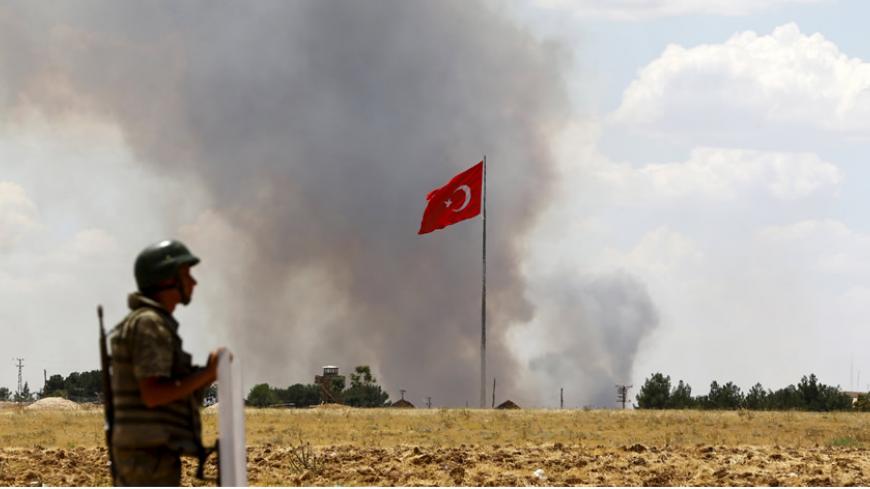
Netanyahu weighs more aggressive action as Hamas leader backs 'intifada'
The Israeli prime minister is under pressure from the Israeli right as Israeli-Palestinian violence escalates; Syrian Kurdish leaders back Russian intervention to battle the Islamic State.
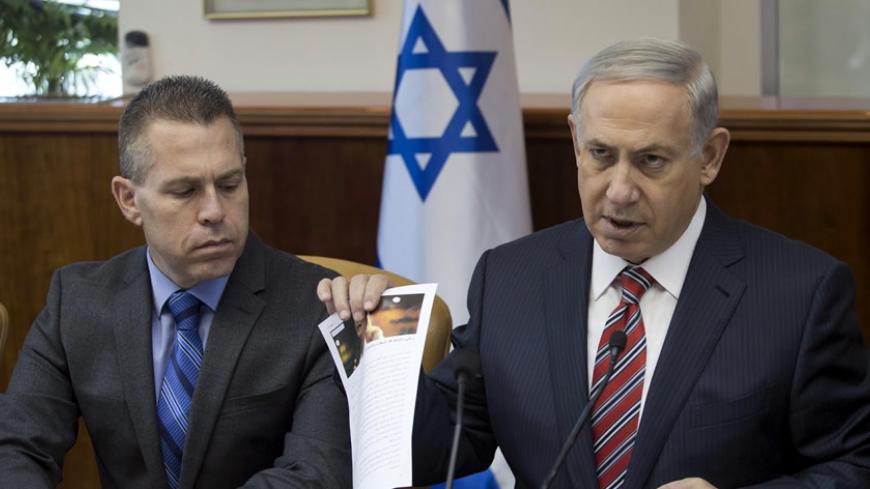
Obama prepared to work with Putin to broker Syria transition
Despite widespread condemnation of Russian airstrikes in Syria, signs of progress on UN-brokered talks on a political transition; Iran’s ties with Saudi Arabia and Egypt; the trend toward counterterrorism; United States should not treat Iraq as a "weak partner."
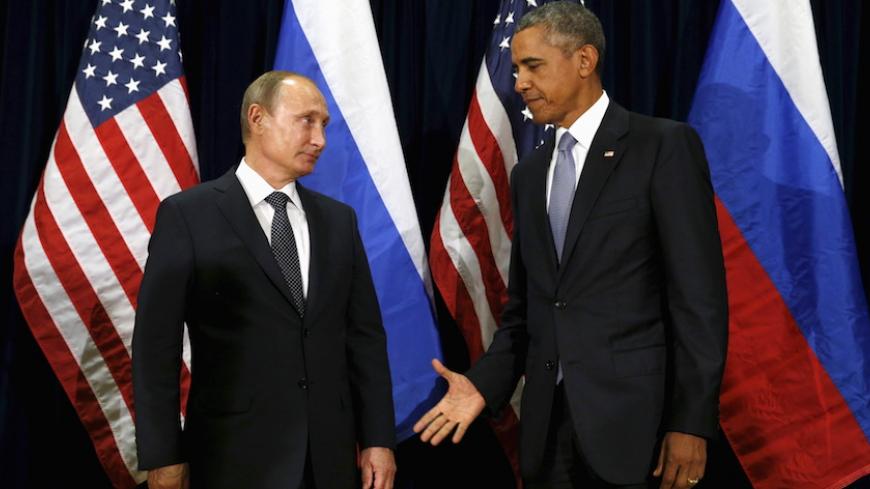
Will US, Russia find common ground in Syria?
A common enemy, the Islamic State, should be the first step in an expanded international coalition; does Iraqi Kurdistan face the prospect of "administrative breakup"?
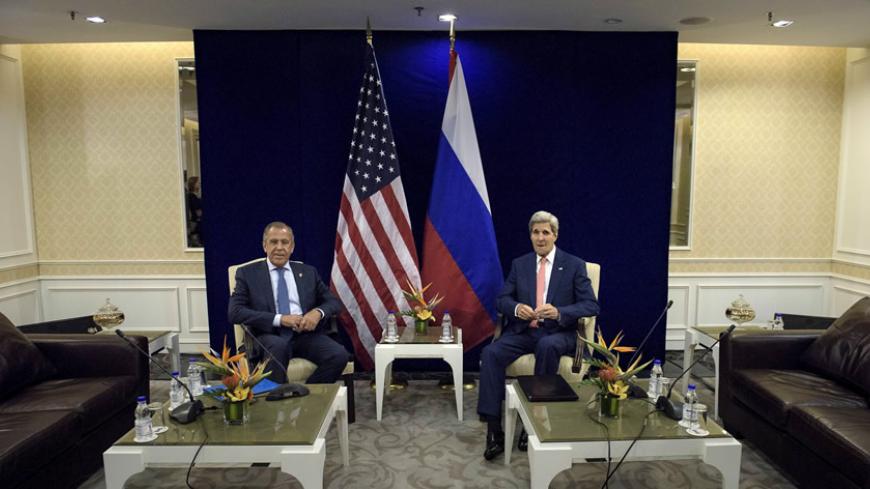
Pressure shifts to Iran to implement nuclear deal
No sanctions to be lifted until Iran puts in place unprecedented nuclear safeguards; White House spokesman calls out critics of Syria policy; Aleppo region a "living hell"; siege of Madaya continues.
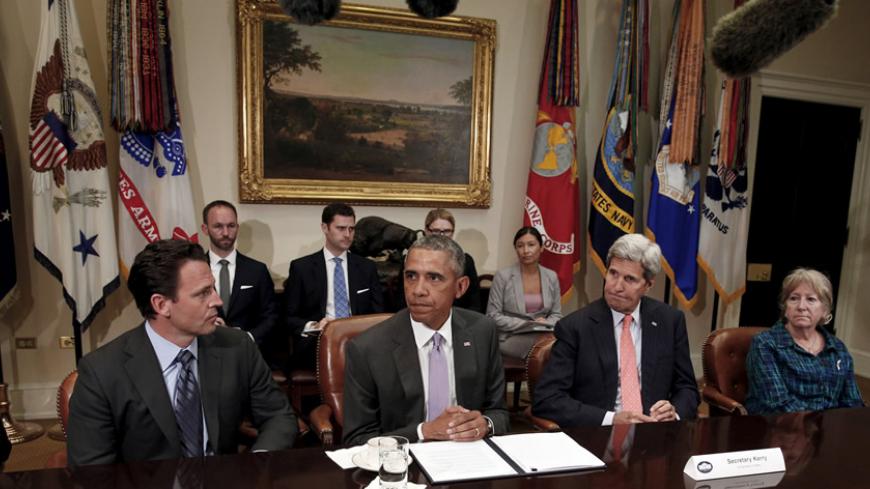
Russia not backing down on Assad
Moscow considers the Syrian government as the best bet to defeat the Islamic State; US leaders rally to support Pope Francis’ call to offer “concrete hope” to refugees; Netanyahu’s words don’t match deeds on refugees.
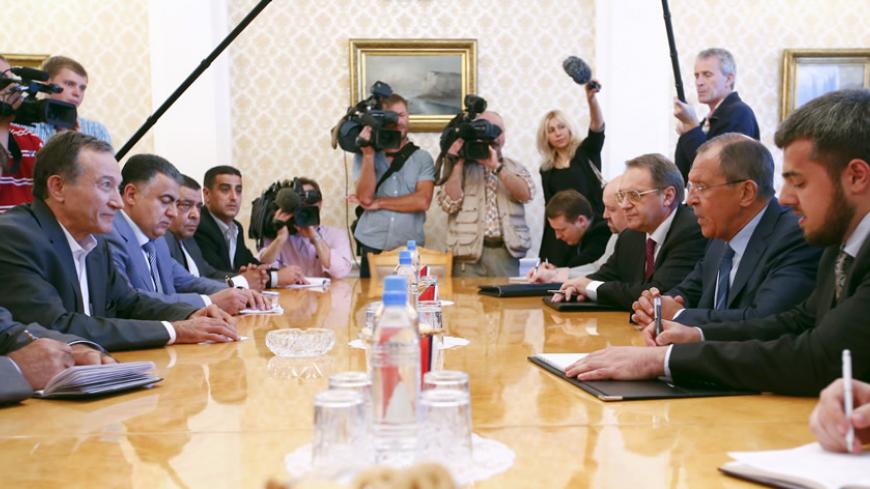
The new pulse of Gulf security
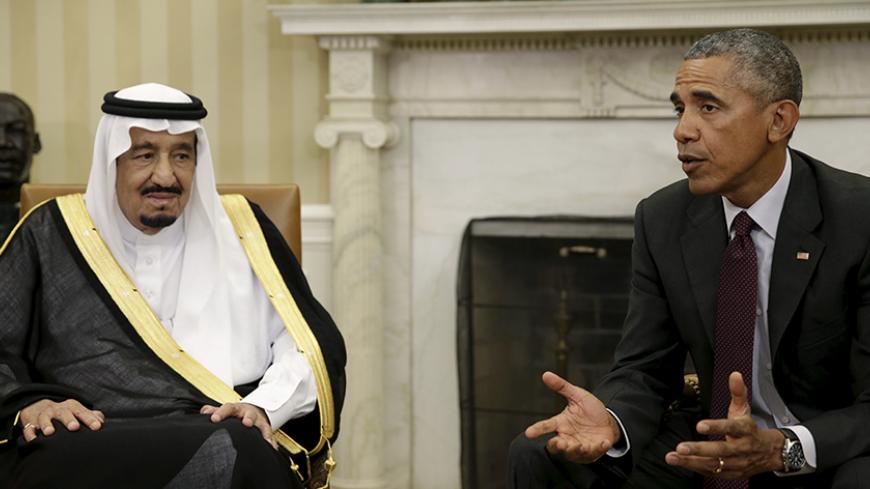
The Iran nuclear deal and the summit between US President Barack Obama and Saudi King Salman bin Abdul-Aziz Al Saud could signal a turning point in Gulf security.
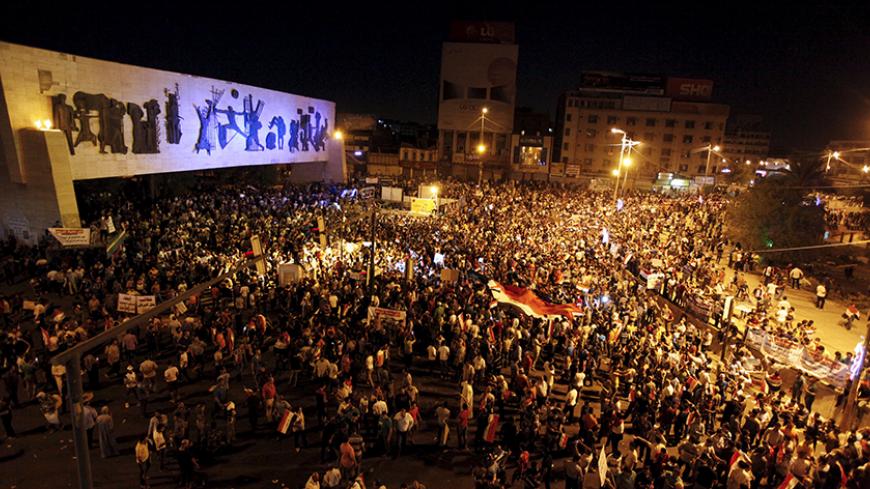
Protesters in Iraq and Lebanon demand accountability
Demonstrations in Iraq and Lebanon may signal new round of "Arab Springs"; Will Saudi capture of Khobar towers mastermind affect US policy toward Iran?
Iran, misreading Trump’s resolve, escalates conflict in Yemen ahead of US midterms
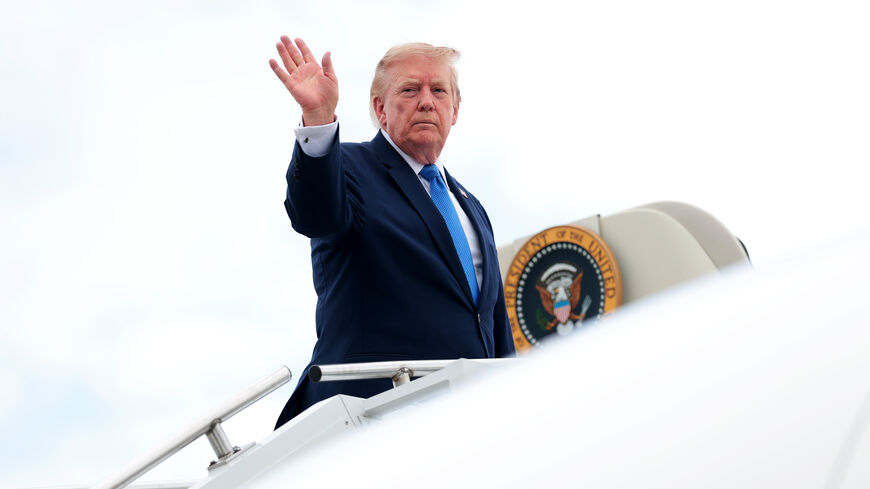
On the 25th anniversary of 9/11, Trump links Iran to the war on terror, vowing it will “never, ever have a nuclear weapon.”

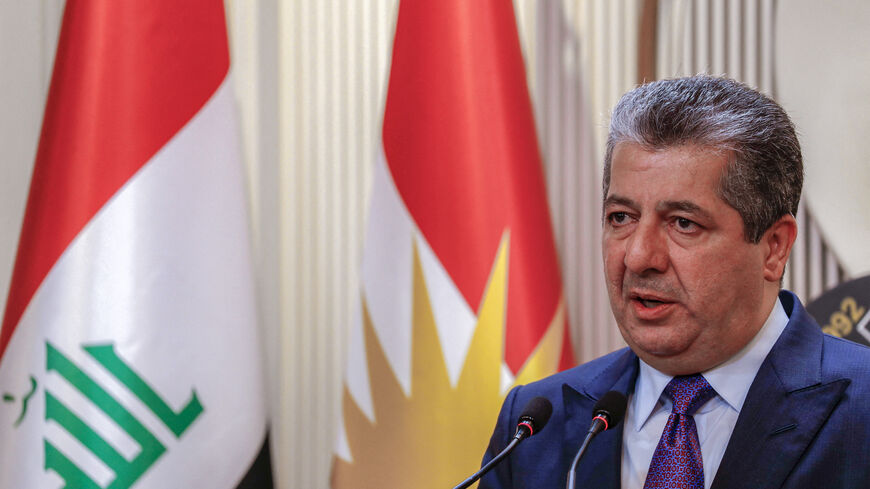
Barzani calls for enhanced air defense for Kurdistan Region to counter drone attacks
Iraqi Kurdistan Region Prime Minister Masrour Barzani backs US-led regional economic integration efforts and lauds US partnership in an exclusive interview with Al-Monitor.
Trump’s strategy on Iran may be paying off
Through far-sighted diplomacy and a durable new regional architecture, Trump has cornered Iran between alignment and atrophy.
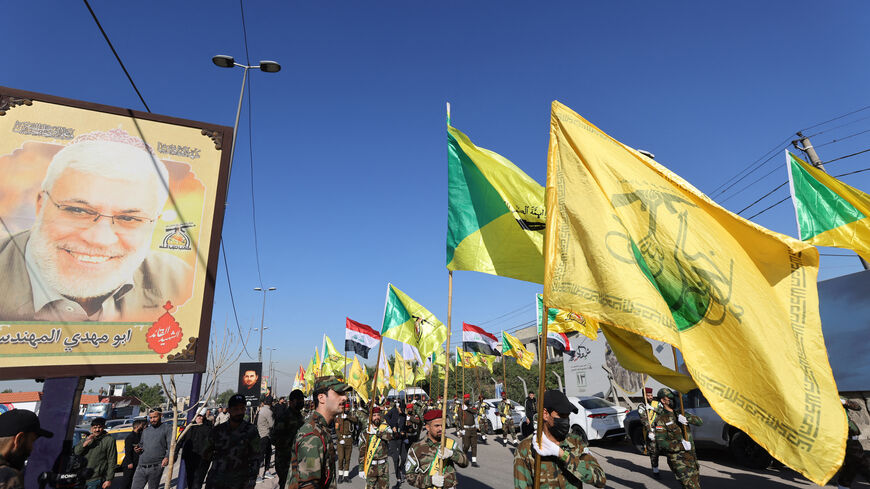
Iran-linked militias seek to draw Iraq into regional war
“Iran’s logic is the logic of war,” a Gulf regional official tells Al-Monitor.