
Since 2012, the Week in Review keeps you ahead of the curve with in-depth analysis of the trends in the region, based on AL-MONITOR’s world class reporting.
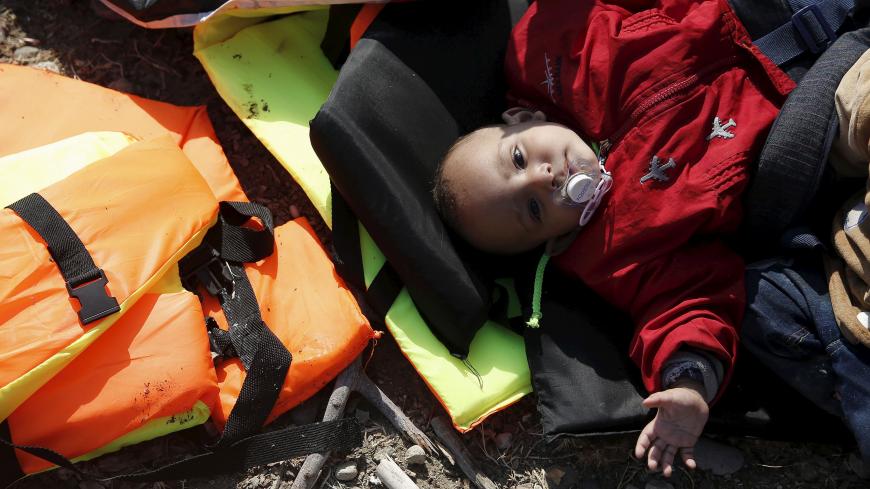
Security Council: Syria 'largest humanitarian crisis in the world'
UN, Russia and Iran coordinate new diplomatic effort on Syria; what did Zarif tell Nasrallah?; Egyptian government rejects mediation with Muslim Brotherhood; did US-trained force coordinate with Jabhat al-Nusra?
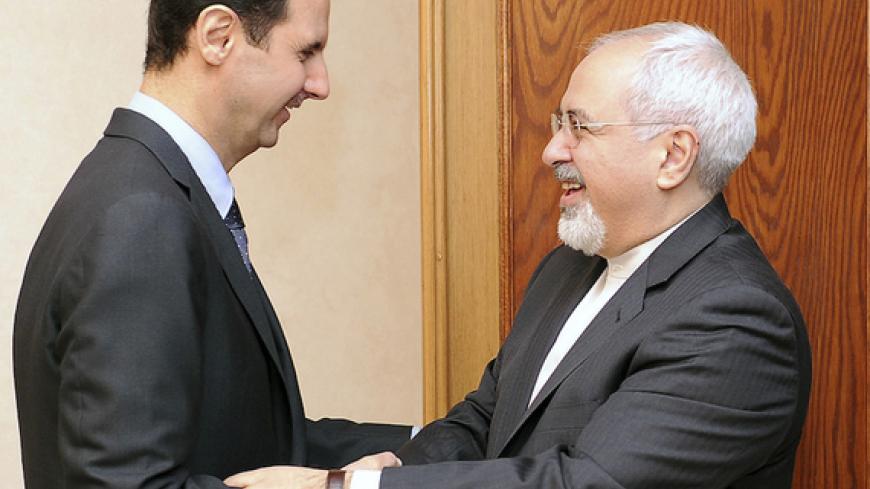
Zarif presses diplomacy on Syria
Iran brokers humanitarian cease-fires in Syria; Yair Lapid discusses “dreadful gamble” in US-Israel relations; Turkey’s Stone Age temple may predate Stonehenge and Egyptian pyramids by thousands of years.
US wins support from GCC, Asian allies for Iran nuclear deal
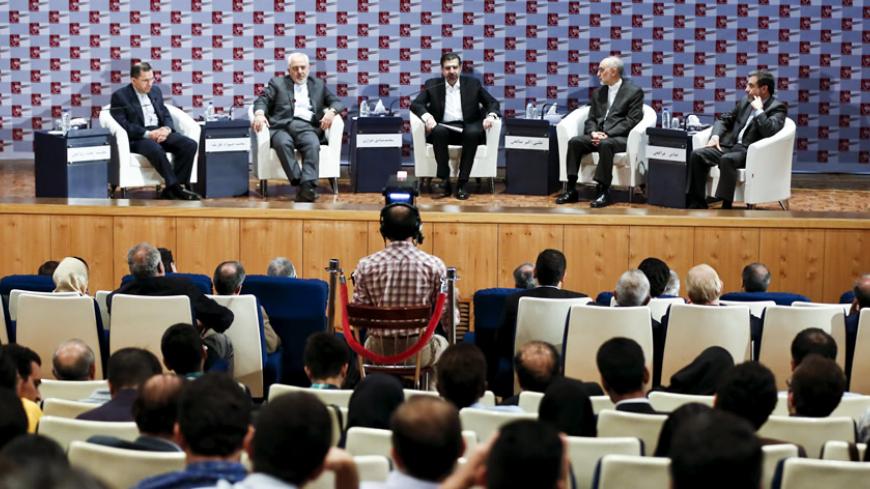
Israel is outlier on nuclear deal; Rafsanjani tells Al-Monitor that Iran “does not inherently have any issues with Saudi Arabia”; Zarif proposes civil nuclear cooperation with Arab states; Syrian, Iranian and Russian officials meet in Tehran; Al-Monitor’s second annual Middle East lobbying investigation and cultural heritage series.
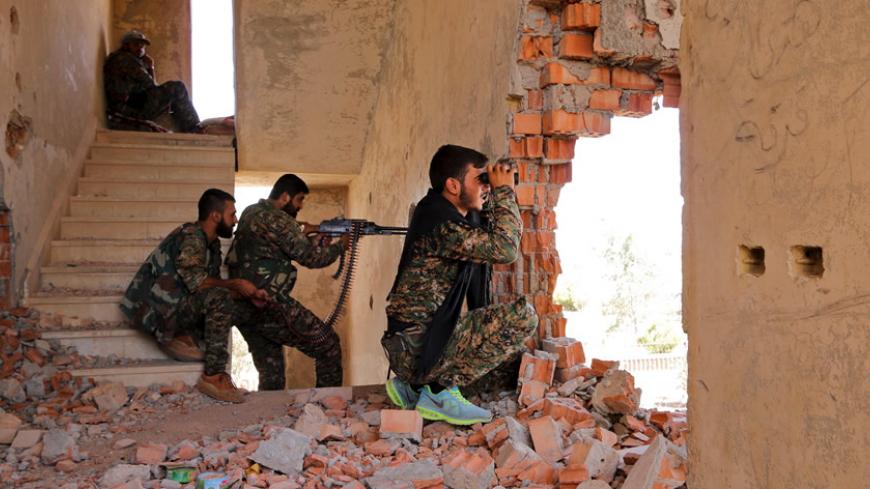
US, Turkey diverge on role of Kurds in Syria
Turkey reportedly targets Syrian Kurdish militias as it escalates attacks on the PKK; Egyptian journalists alarmed by proposed anti-terror law.
Erdogan’s shift on Islamic State linked to Kurdish gains in Syria
Turkish Prime Minister Recep Tayyip Erdogan finally takes on the Islamic State while attacking PKK bases in northern Iraq; Israeli Prime Minister Benjamin Netanyahu now the only US ally actively opposing Iran deal; Israel faces pressure to forgo demolition of Palestinian village.
Obama calls for 'practical conversation' between Iran, Arab states
US President Barack Obama tells Arab Gulf allies to “stop giving Iran opportunities for mischief”; Zarif says Iran “ready to engage” with Arab countries; Netanyahu weighs political costs of Iran deal.
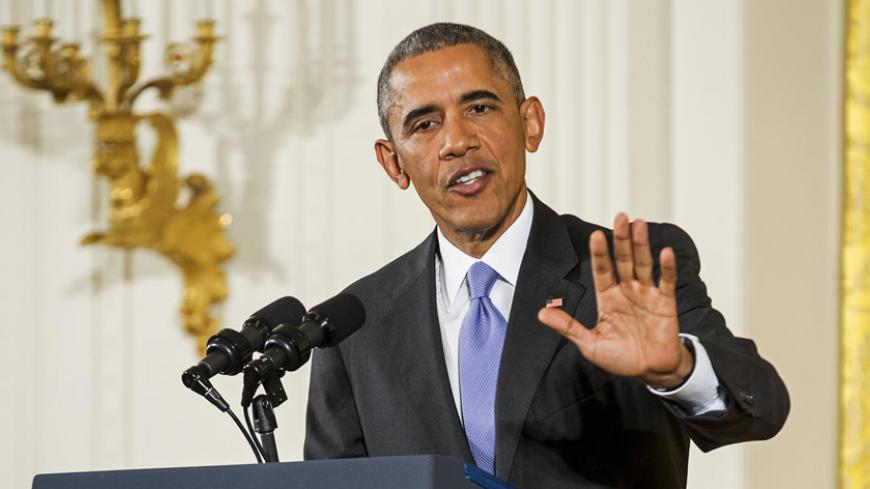
The stakes in Vienna
Fragile and promising trends in regional security and US-Iran cooperation are already underway as a result of the nuclear negotiations.
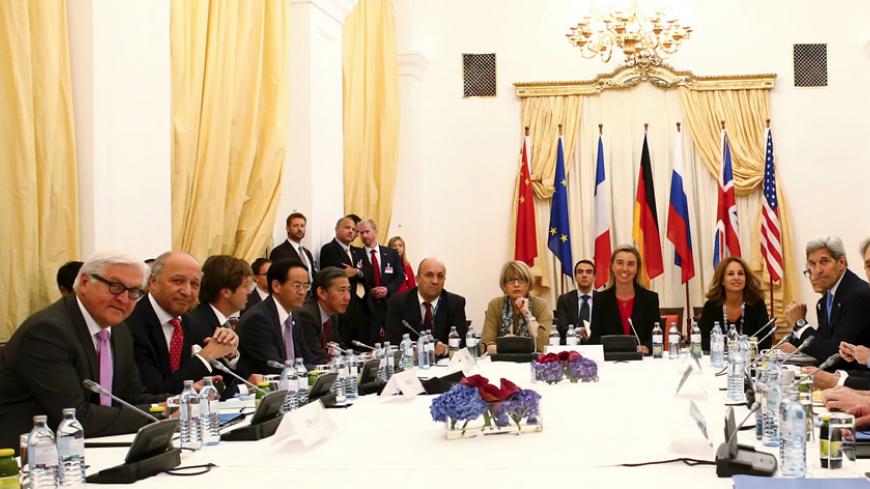
Turkish military wary of Erdogan plan for Syrian buffer zone
The United States remains opposed to a no-fly zone in northern Syria; Masrour Barzani calls for "amicable divorce" for the Kurdistan Region of Iraq; Jacky Hugi writes that Israel should back the Syrian government "at any price."
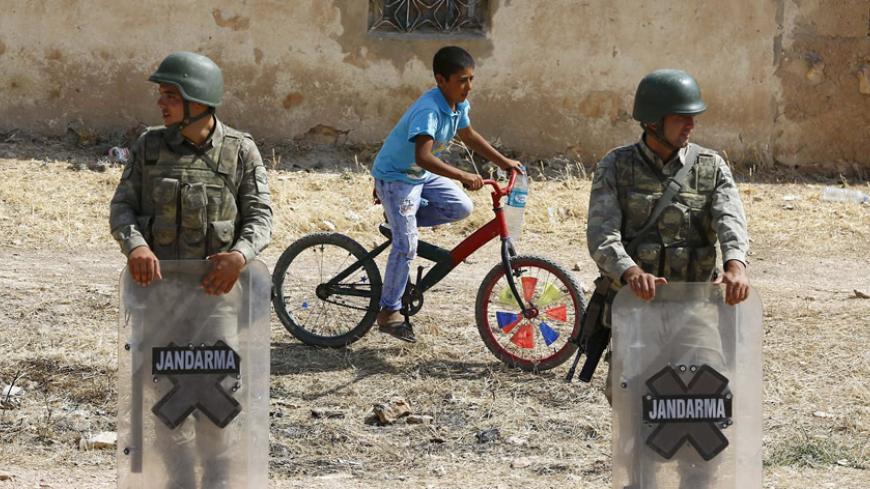
Did Khamenei blur his own red lines on sanctions?
Supreme Leader Khamenei gives strong backing for Iran’s negotiating team heading into Vienna talks; Assad holds off on hitting Islamic State, for now; Israel forced to clarify position on Jabhat al-Nusra; Egypt seeks to counter Turkey’s role in Syria.
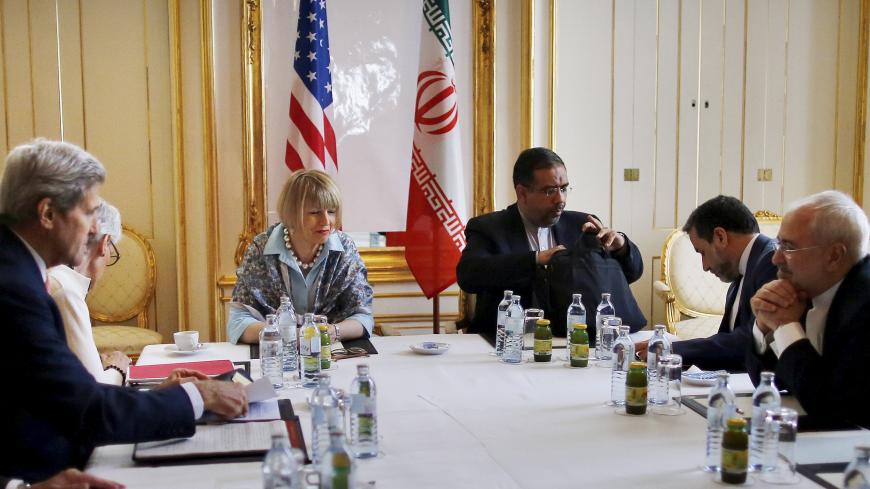
Erdogan sees threat from Kurdish gains in Syria
Turkish President Recep Tayyip Erdogan gives priority to battle Kurdish “terror organizations” over the Islamic State; the Islamic State's scorched-earth practices in Kobani; the Druze lobby in Israel.
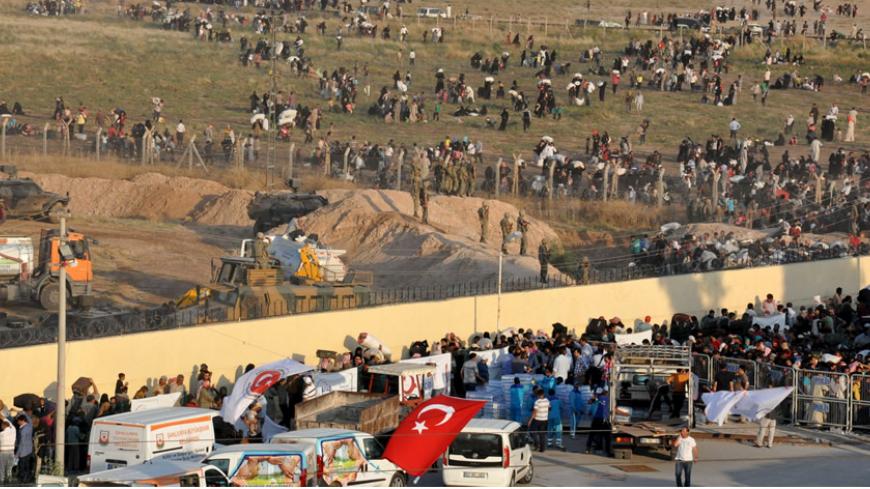
Iran, misreading Trump’s resolve, escalates conflict in Yemen ahead of US midterms
On the 25th anniversary of 9/11, Trump links Iran to the war on terror, vowing it will “never, ever have a nuclear weapon.”

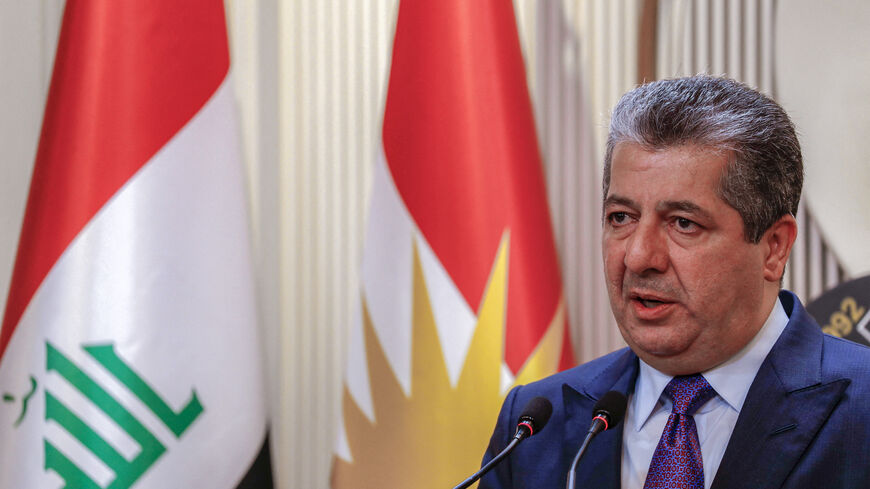
Barzani calls for enhanced air defense for Kurdistan Region to counter drone attacks
Iraqi Kurdistan Region Prime Minister Masrour Barzani backs US-led regional economic integration efforts and lauds US partnership in an exclusive interview with Al-Monitor.
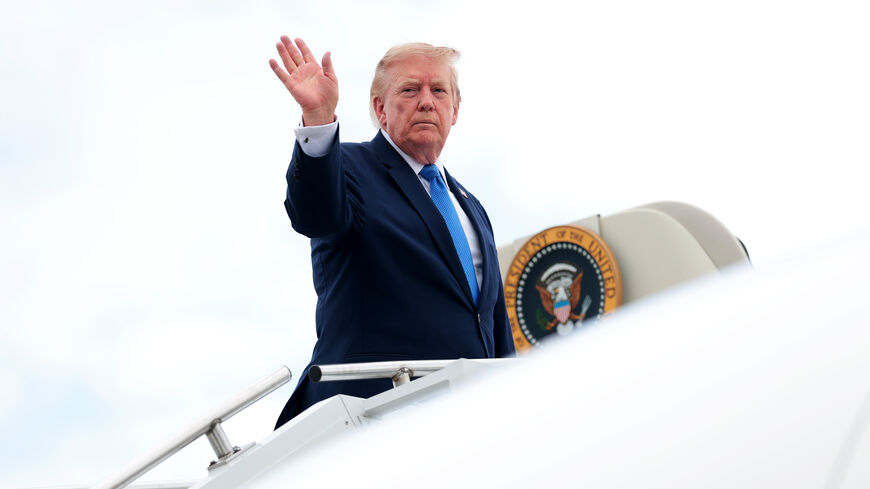
Trump’s strategy on Iran may be paying off
Through far-sighted diplomacy and a durable new regional architecture, Trump has cornered Iran between alignment and atrophy.
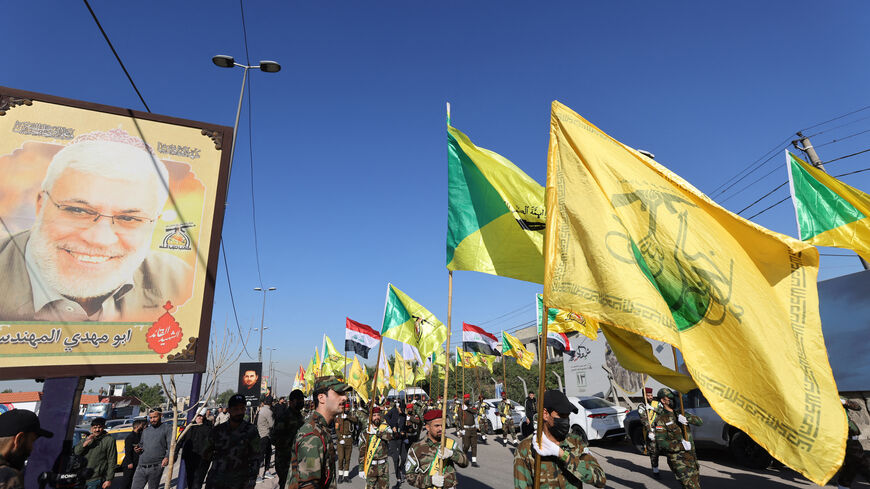
Iran-linked militias seek to draw Iraq into regional war
“Iran’s logic is the logic of war,” a Gulf regional official tells Al-Monitor.