
Since 2012, the Week in Review keeps you ahead of the curve with in-depth analysis of the trends in the region, based on AL-MONITOR’s world class reporting.
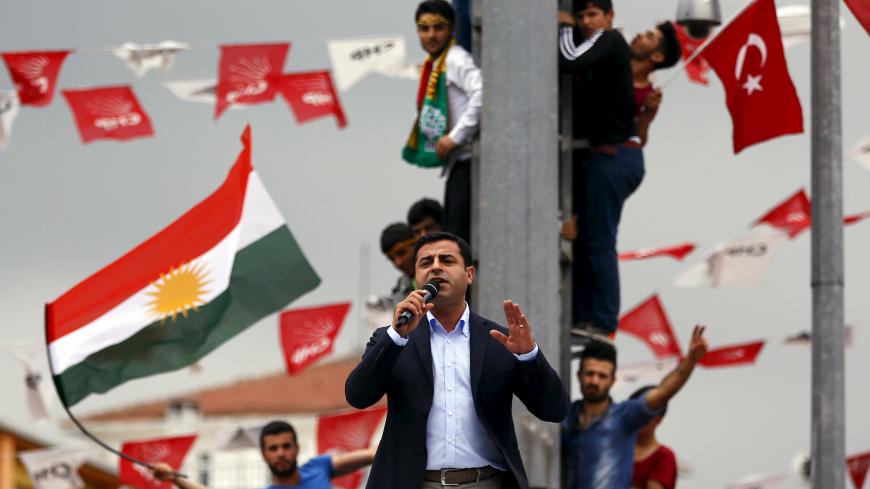
Will AKP's losses spark Turkish re-think on Syria?
The ruling Justice and Development Party lost Kurdish support over President Recep Tayyip Erdogan’s Syria policies; Eastern patriarchs meet in Damascus to reassure Middle East Christian communities.
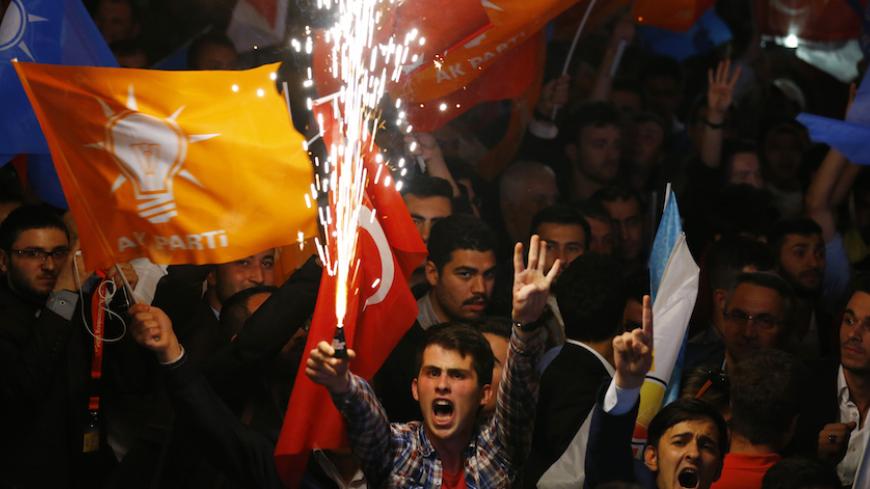
Will voters reject Turkey’s ‘precious loneliness’?
Parliamentary elections on June 7 could signal a shift in Turkey’s foreign policy; Islamic State’s radicalization campaign extends to Iraqi Kurdistan; Iran not backing down in Syria; Soleimani promises "surprise" in battle against Islamic State.
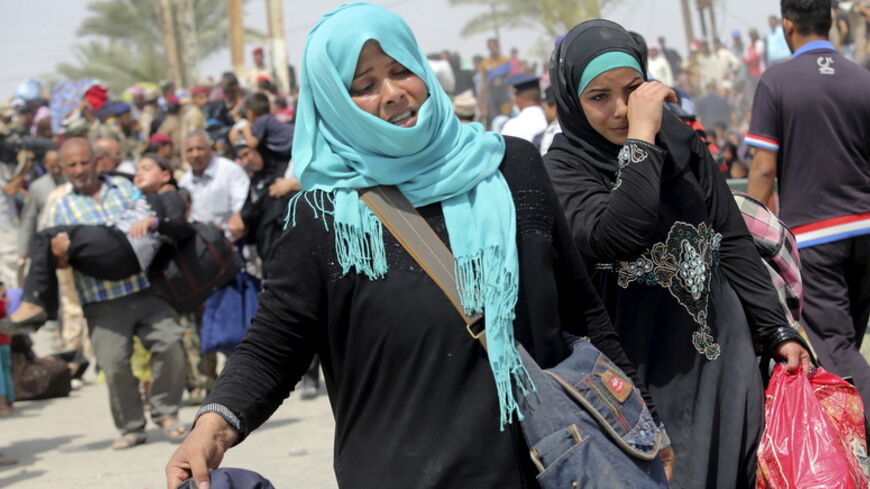
Baghdad stumbles in response to Ramadi refugees
180,000 Iraqis now displaced by the Islamic State from Ramadi; Islamic State benefits from Saudi military intervention in Yemen; Jabhat al-Nusra’s attempted makeover.
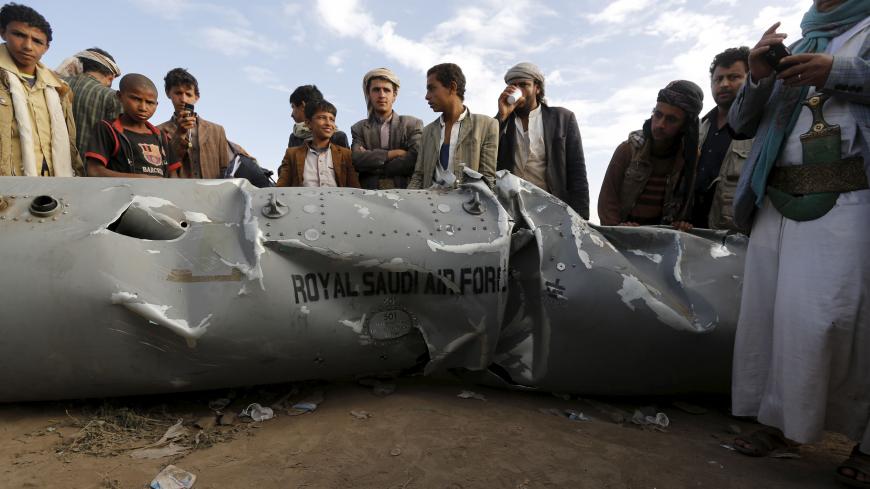
Is Islamic State 'secondary priority' for Saudi Arabia?
Riyadh is preoccupied with the military campaign in Yemen; Velayati tells Lebanese officials there will be no deal on Assad; the Turkish opposition party is under attack ahead of June 7 elections.
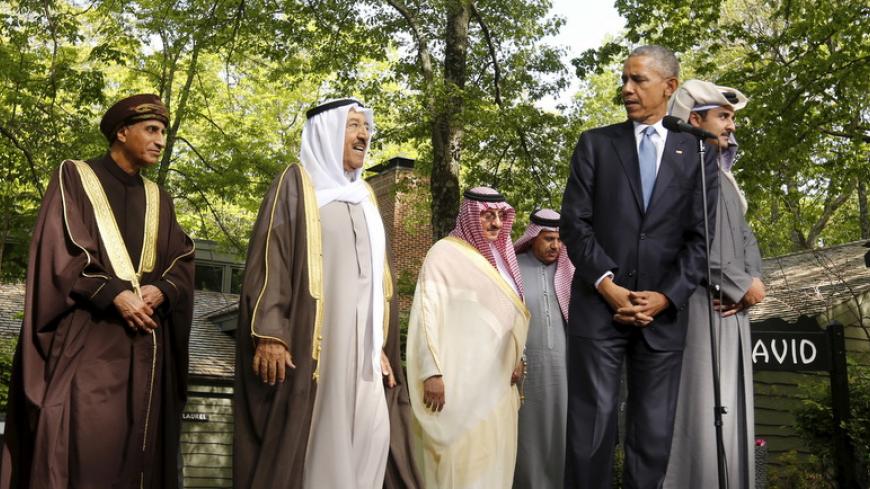
Obama, GCC leaders forge consensus on Iran
Summit statement concludes that a “comprehensive, verifiable” nuclear deal “is in the security interests” of all parties; Kerry emphasizes need for US-Russia cooperation on Syria.
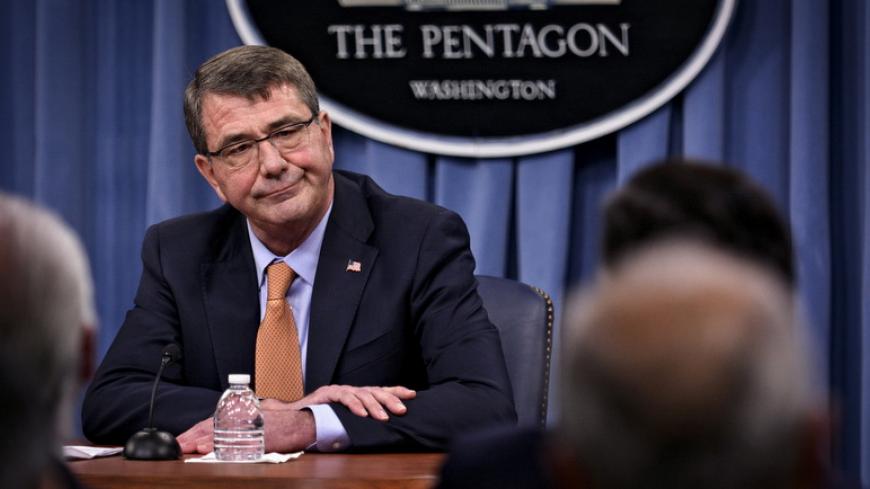
Carter: Syria 'safe zones' would be 'major combat mission'
US secretary of defense tells Congress no-fly zone would be "difficult thing to contemplate"; state institutions collapse as result of war in Yemen; Obama administration rejects direct arms to Iraqi Kurdistan.
Saudi shake-up underscores stakes in Yemen
Saudi credibility on the line in Yemen; al-Qaeda’s “free rein” in Yemen; Iraq seeks balance, distance from Saudi-Iranian rivalry; Iran’s Reformists still waiting for Rouhani to deliver; Syrian government intensifies attacks on rebel-held areas of Aleppo.
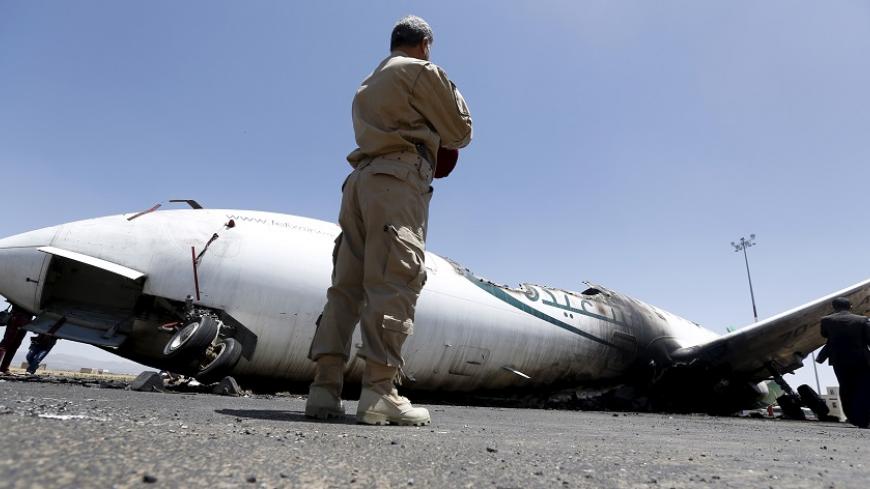
Should Saudi Arabia test Iran’s offer of diplomacy on Yemen?
Iranian officials offer diplomatic initiative and warnings on Yemen; book burning in Giza; Kremlin ignored Israeli objections on missile system sale to Iran; Russian "soft power" in the Middle East.
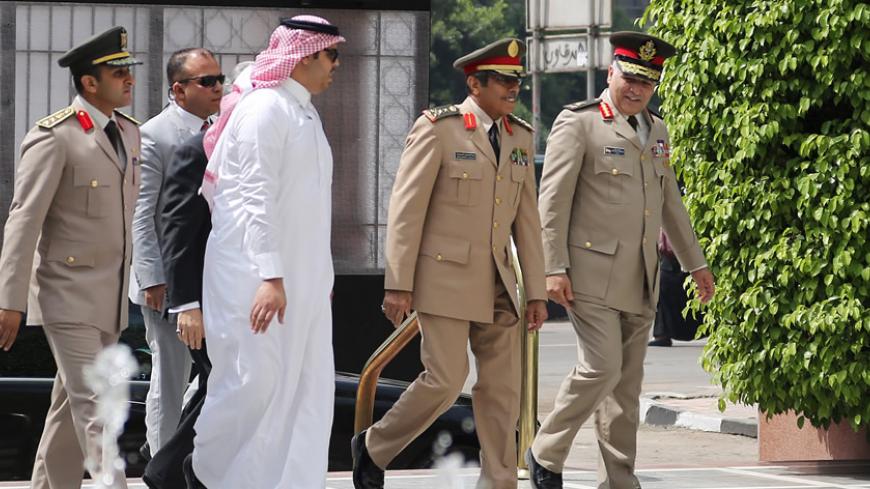
Saudi Arabia’s deepening isolation in Yemen
Saudi Arabia faces a quagmire in Yemen; a US-Iran “catalogue of cooperation” after a nuclear deal; Iranian activists skeptical on human rights progress; Israel unnerved by Russian decision on missile sale to Iran; the Good Friday massacre in Aleppo; is Erdogan shifting from sectarianism?
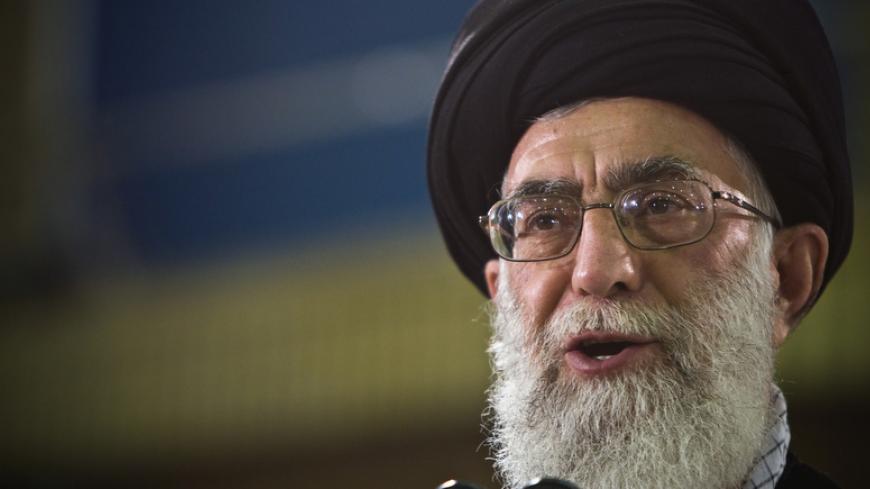
Khamenei: Nuclear deal could allow talks 'on other issues'
Iran’s supreme leader hints at engagement with the West beyond the nuclear talks; al-Qaeda winning in Yemen; Turkey backs Iran framework agreement; questions about Morocco’s contribution to Clinton Foundation; lobbying series updates.
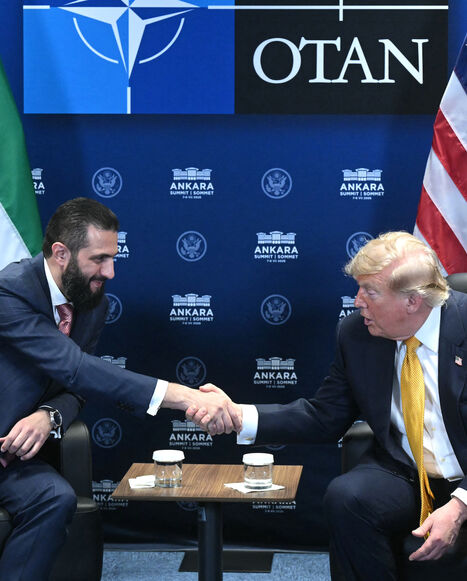
Iran, misreading Trump’s resolve, escalates conflict in Yemen ahead of US midterms
On the 25th anniversary of 9/11, Trump links Iran to the war on terror, vowing it will “never, ever have a nuclear weapon.”

Barzani calls for enhanced air defense for Kurdistan Region to counter drone attacks
Iraqi Kurdistan Region Prime Minister Masrour Barzani backs US-led regional economic integration efforts and lauds US partnership in an exclusive interview with Al-Monitor.
Trump’s strategy on Iran may be paying off
Through far-sighted diplomacy and a durable new regional architecture, Trump has cornered Iran between alignment and atrophy.
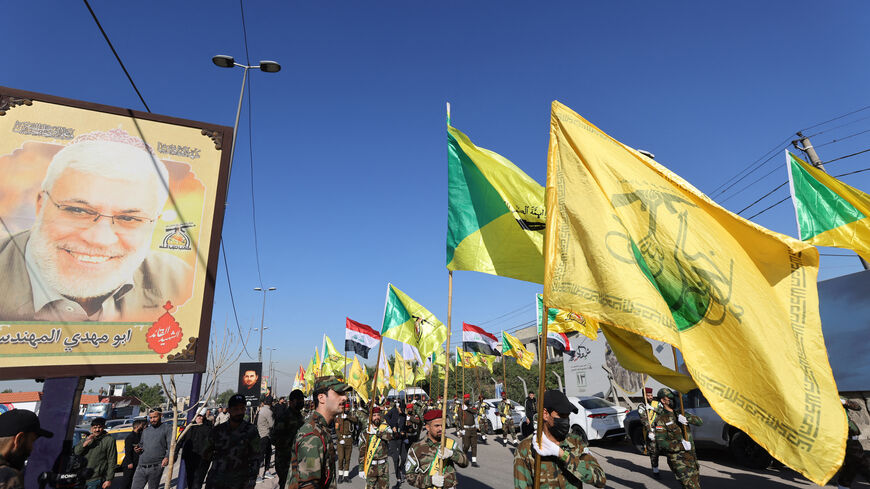
Iran-linked militias seek to draw Iraq into regional war
“Iran’s logic is the logic of war,” a Gulf regional official tells Al-Monitor.