
Since 2012, the Week in Review keeps you ahead of the curve with in-depth analysis of the trends in the region, based on AL-MONITOR’s world class reporting.
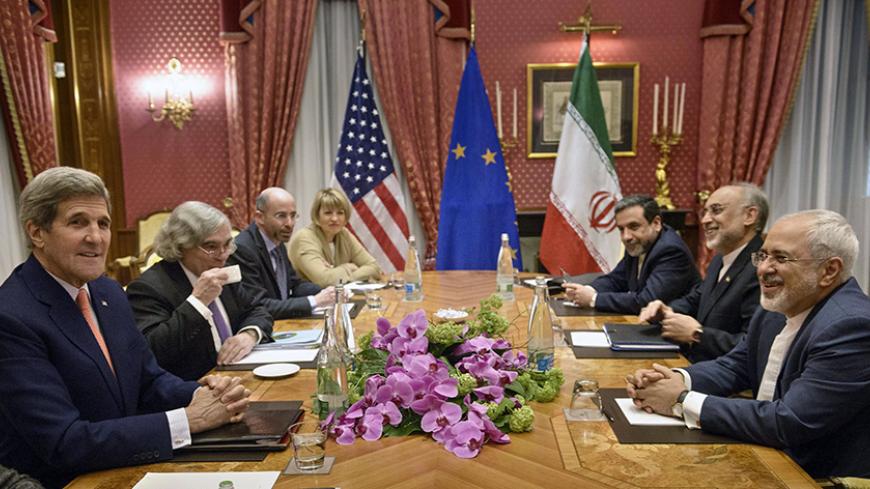
Iran framework agreement should boost regional diplomacy
The P5+1 and Iran agree on "detailed political agreement" for nuclear deal; Saudi Arabia, Iran hasten Yemen’s collapse; Netanyahu, Erdogan weigh in on Yemen.
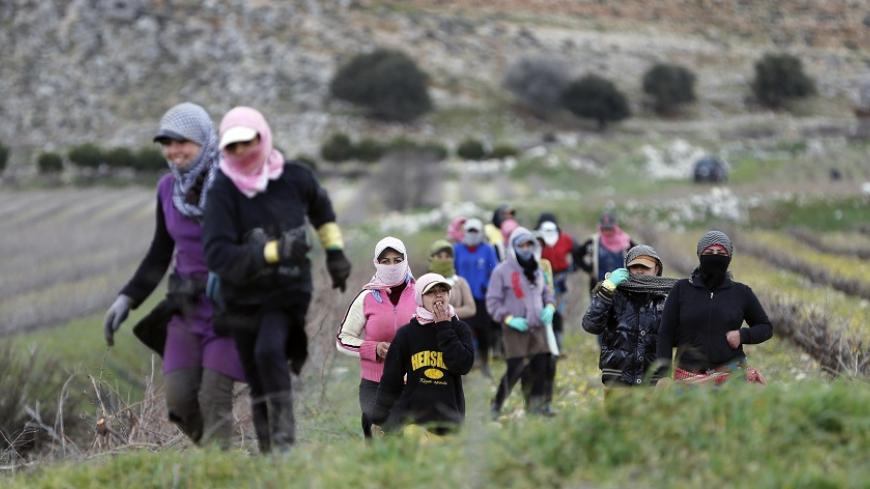
Al-Monitor highlights diversity of Islamic feminism
Al-Monitor’s monthlong series on women concludes; Lebanese foreign minister appeals to UN Security Council for protection of Christians; members of Congress seek "formal dialogue" on future of Turkish democracy; the fault lines in Aleppo; have Israeli elections sparked long-stalled Palestinian reconciliation?; Ali Hashem profiles self-proclaimed Islamic State Caliph Abu Bakr al-Baghdadi.
Turkey sidelines itself in US-led coalition against IS
Turkey prefers to be a "reluctant subcontractor" rather than active participant in the international coalition against the Islamic State; US envoy seems to contradict Kerry on Syria diplomacy; Israel faces possible "diplomatic siege" after election; majority of Americans back US negotiations with Iran; Al-Monitor endorses new global standards to protect freelance journalists.
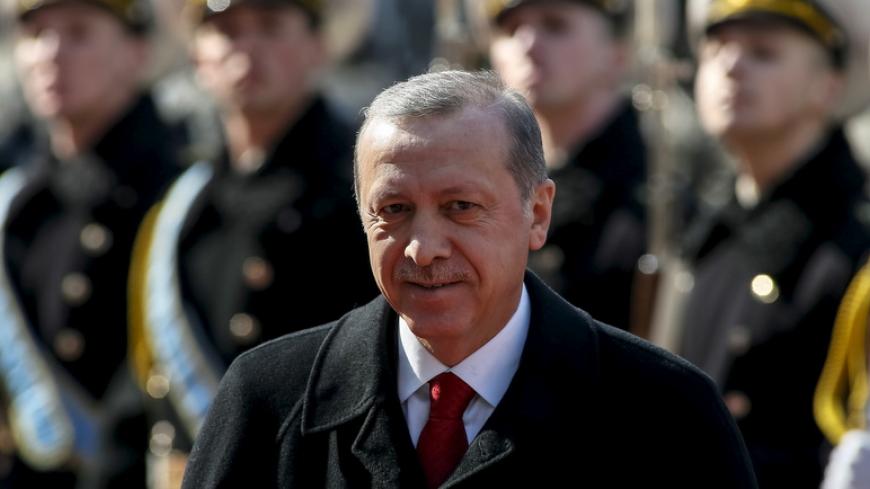
US 'working through' extent of support for Syrian rebels
The resolution being considered by Congress does not address protection of vetted Syrian rebels against Syrian government forces; nuclear talks with Iran enter decisive phase amid challenges by Republicans in Congress; Ayatollah Ali al-Sistani determines fate of reconciliation in Iraq; Israeli election is verdict on Benjamin Netanyahu.
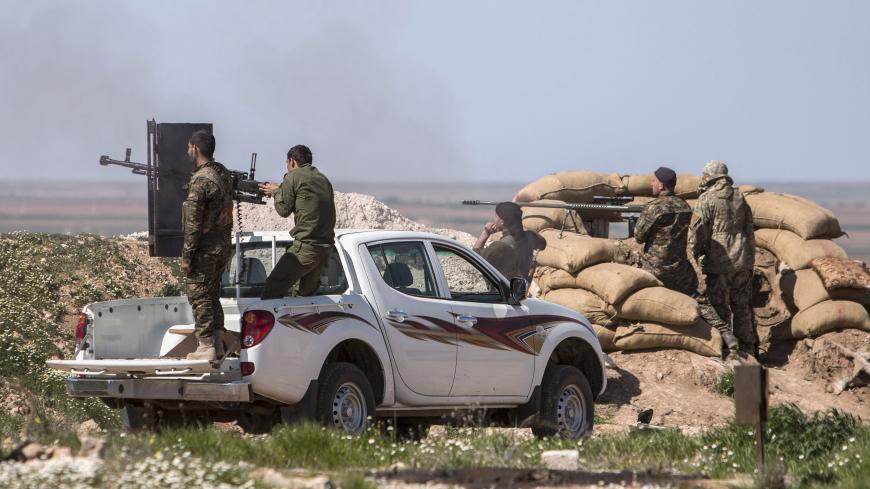
Obama administration: US 'will protect' Syrian rebel forces
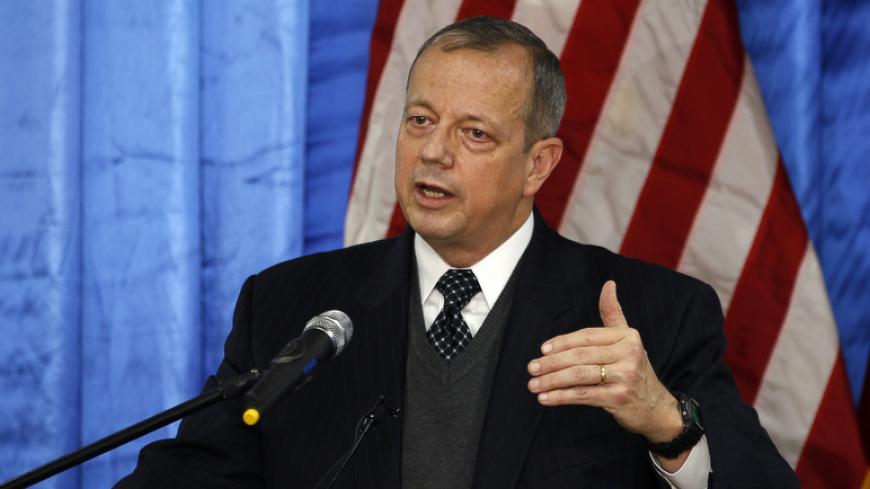
John Allen, US special presidential envoy for the Global Coalition to Counter ISIL, suggests a deeper US military commitment in Syria; Turkey’s "precious loneliness"; Egypt closes 27,000 places of worship to counter militancy and extremism; Al-Monitor’s series on Women in the Middle East continues.
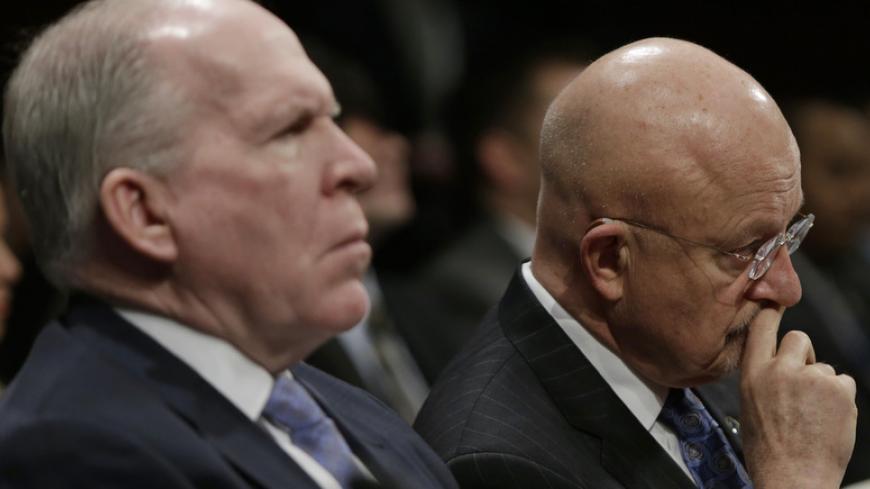
Turkey has 'other priorities' than battling Islamic State
US Director of National Intelligence James Clapper does not expect Turkey to become "more engaged" in the anti-Islamic State coalition; are al-Qaeda and the Islamic State, or Assad and Hezbollah, a greater threat to Israel?; Israeli prime minister expects to "cash in" on Iran nuclear deal on March 17; Al-Monitor launches a series focused on women in the Middle East.
Should US back UN plan for cease-fire in Aleppo?
UN Syria envoy says that "assurances will not be enough" to end fighting; Turkey’s border a "strategic problem" in anti-Islamic State campaign.
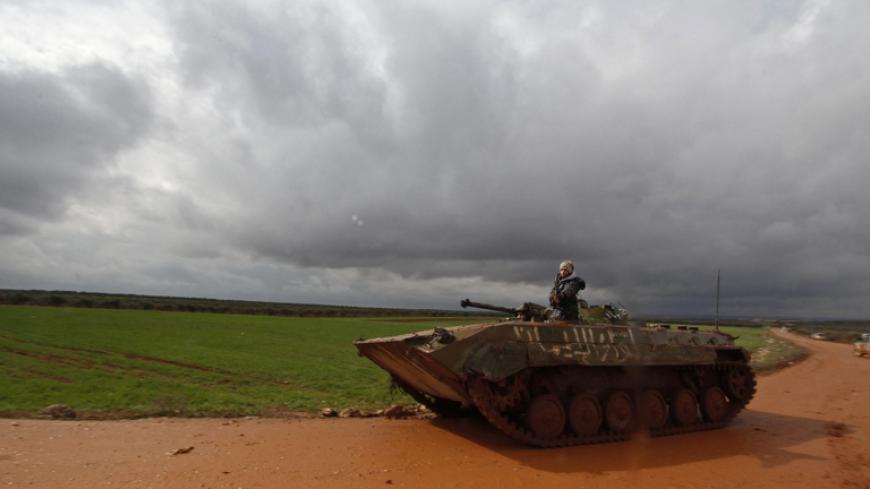
UN, Russia take lead in Syria diplomacy
Russia-Egypt ties enter "new phase"; UN and Russian initiatives offer only hope so far for Syria political settlement; Erdogan promotes the "Internal Security Law."
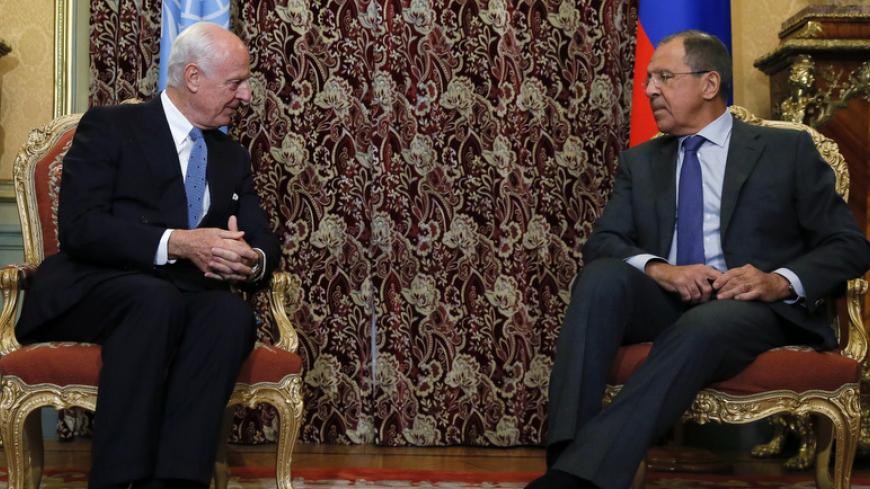
Obama: 'Iran’s program has not advanced'
US allies puzzled by March deadline for consideration of Senate sanctions bill; Iran’s gesture to Saudi Arabia; Iran’s man in Beirut; Erdogan’s anti-Western pivot; Aleppo’s fuel shortage; Israel reconciling to Hamas?
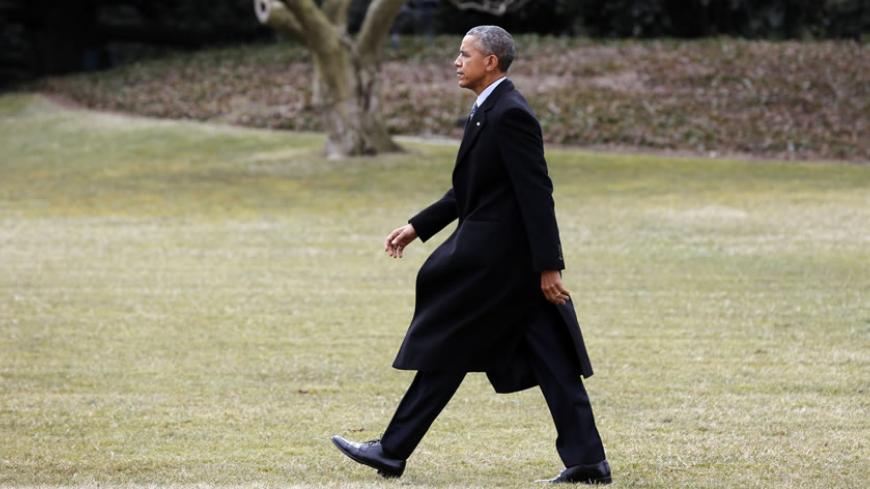
Hezbollah, Israel claim victory, reset deterrence
Nasrallah steps back from confrontation with Israel after attack; Iran sanctions in perspective; Netanyahu plan may backfire; Kurdish victory in Kobani a setback for Turkey; Are Iraqi Kurdish land grabs sowing future conflict?
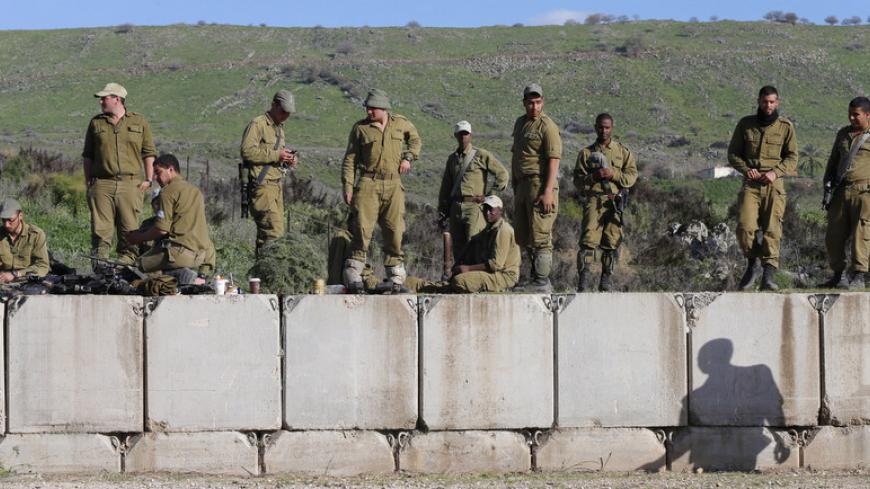
Iran, misreading Trump’s resolve, escalates conflict in Yemen ahead of US midterms
On the 25th anniversary of 9/11, Trump links Iran to the war on terror, vowing it will “never, ever have a nuclear weapon.”

Barzani calls for enhanced air defense for Kurdistan Region to counter drone attacks
Iraqi Kurdistan Region Prime Minister Masrour Barzani backs US-led regional economic integration efforts and lauds US partnership in an exclusive interview with Al-Monitor.
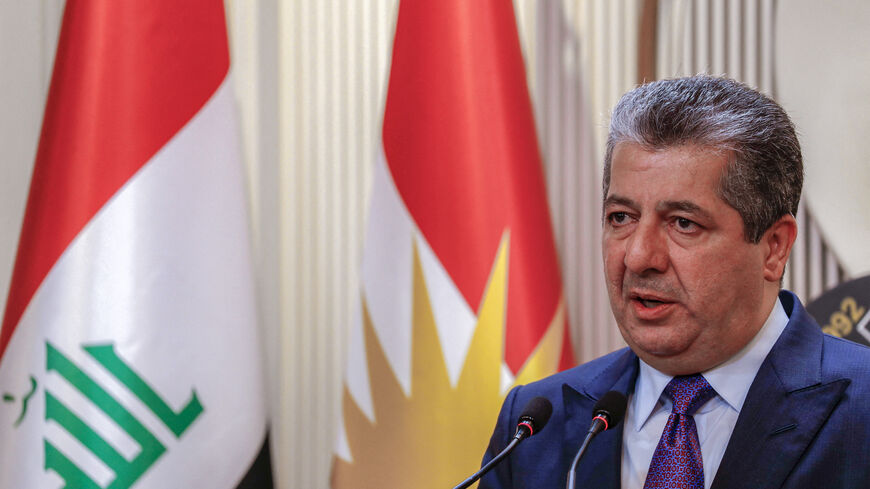
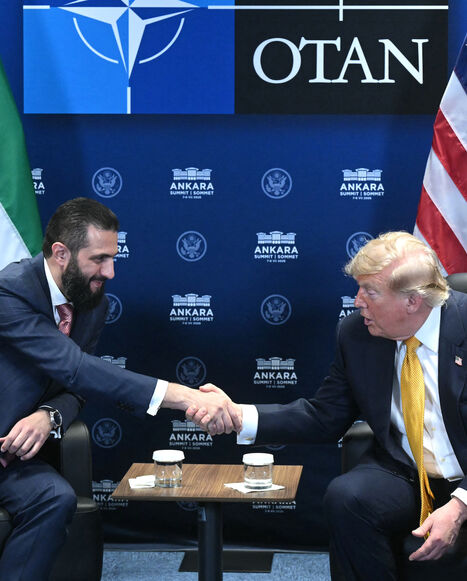
Trump’s strategy on Iran may be paying off
Through far-sighted diplomacy and a durable new regional architecture, Trump has cornered Iran between alignment and atrophy.
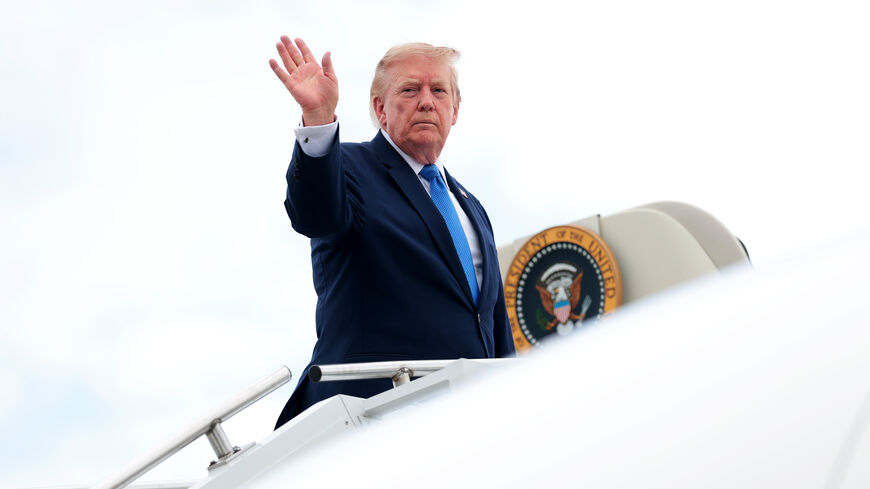
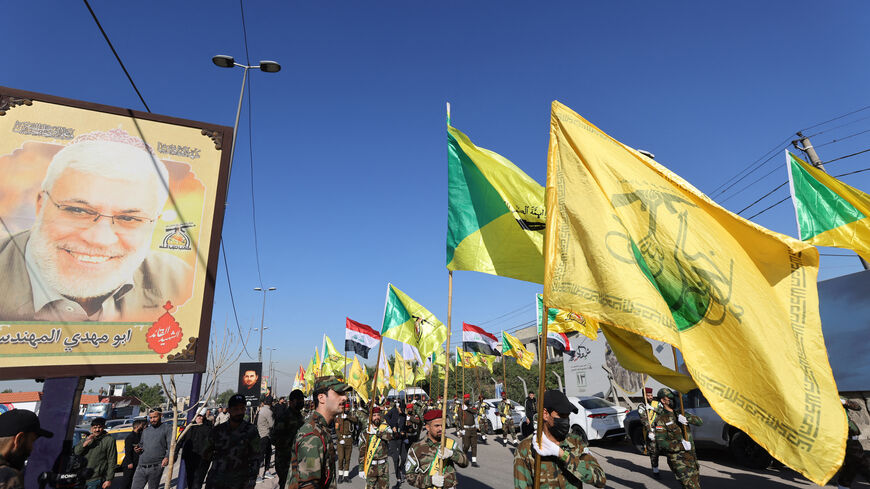
Iran-linked militias seek to draw Iraq into regional war
“Iran’s logic is the logic of war,” a Gulf regional official tells Al-Monitor.