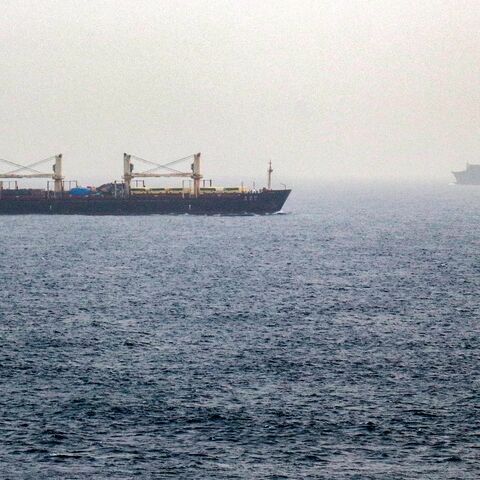


Analysis Sanctions relief, Pakistan role propel China backing of Iran-US ceasefire The US–Iran truce boosts Pakistan — one of China’s closest partners — by elevating its role as a mediator and strengthening a regional balance that favors Beijing’s allies. By Joyce Karam , Rosaleen Carroll
UAE says no more 'niceties' with Iran, seeks clarity on fragile truce terms The UAE said Iran must pay “compensation” for damages incurred during the conflict. United Arab Emirates
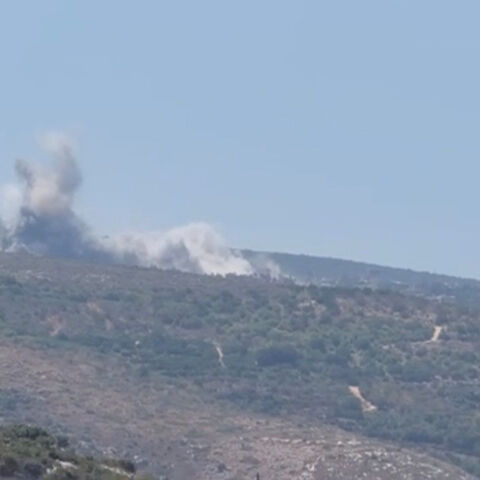
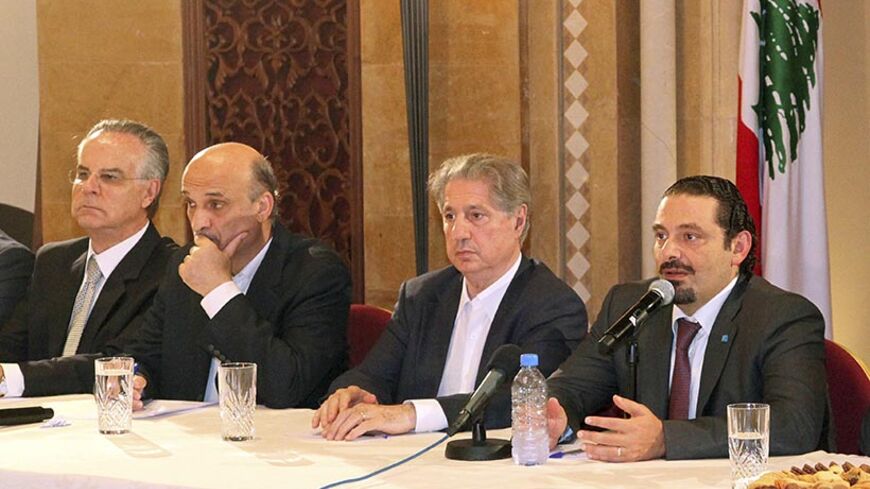
Lebanon rejects Iran negotiating on its behalf, PM says only Beirut handles talks Israel launched its largest attack against Lebanon in the war, firing over 160 munitions across the country. At least 203 people were killed and 1,072 injured, while 33 remain missing, authorities said. Lebanon
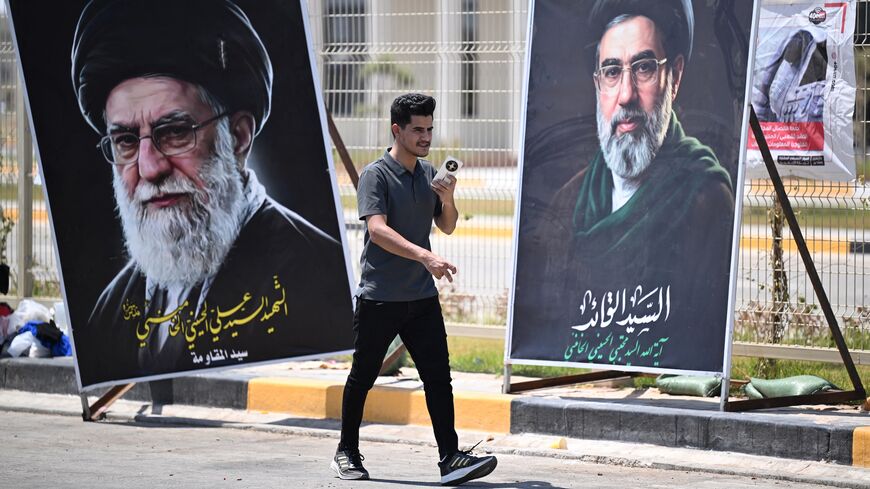
Analysis Ceasefire or strategic pause? How Iran is framing war narrative amid deep mistrust Beneath the surface of official messaging, a more complex and uneasy reality is emerging — one defined by lingering mistrust, hard-line dissent and uncertainty over what comes next. By A correspondent in Tehran In Tehran, reporting on politics
Analysis How fast can Gulf energy production rebound after US-Iran ceasefire? By Samuel Wendel In Washington, DC, reporting on regional business and tech
Analysis Trump ceasefire leaves Netanyahu flustered as Iran gains politically By Ben Caspit In Tel Aviv, reporting on national security, Israeli politics, defense
Netanyahu faces possible lose-lose on Iran, peace process Prime Minister Benjamin Netanyahu may be right in his vigilance on Iran, but if US-Israel relations suffer, he could find himself with a nuclear Iran and a Palestinian state. Israel
Crisis of democracy for Islamic parties While Islamic parties in the Middle East have been keen to use democracy as a way to reach power and maintain their authority, they do not apply democratic principles when it comes to other aspects of governance. Turkey
Russia's Iran policy in transition Russia is likely to benefit from an agreement between the P5+1 and Iran. Syria
Iran's low-key reaction to bugging of supreme leader Iran's response to reports that the US National Security Agency bugged Supreme Leader Ayatollah Ali Khamenei during a trip to the Kurdistan region of Iran in 2009 has been relatively muted and has not affected Iran's position on negotiations with the P5+1. Iran
The cost of Netanyahu's campaign against an Iran deal Israeli Prime Minister Benjamin Netanyahu's opposition to an Iranian nuclear deal has a cost in US-Israel relations. Israel
7 reasons Iran nuclear deal a win-win for all parties Yukiya Amano, director-general of the International Atomic Energy Agency, signed a new agreement today with Iran addressing outstanding technical concerns about its nuclear program. Iran
Netanyahu could lose his Iran card If Tehran and the world powers enter into a long-term diplomatic process that slows down Iran’s nuclear program, Israel’s Prime Minister Benjamin Netanyahu will be left without the one major issue that topped his agenda for the past few years. Israel
Iran nuclear deal key to political solution in Syria Despite significant progress in the Geneva nuclear talks over the weekend, time may be short, given the opposition of Israel and some in Congress, with implications for Syria. Iran
Rouhani, Zarif on the clock to get nuclear deal A divided P5+1 is both a boon and a challenge for Iranian Foreign Minister Mohammad Javad Zarif. Iran
For France, Arak is a deal killer The French government is right to demand limits on the Arak heavy water reactor, as Iran is right to insist on sanctions relief, if both sides seek to build confidence. Iran
Netanyahu rejects 'deal of the century for Iran' Israeli Prime Minister Benjamin Netanyahu and US Secretary of State John Kerry reportedly clash before Kerry headed to Geneva for the Iran talks. Israel
Iranian foreign minister 'hopeful' on nuclear framework agreement US Secretary of State John Kerry will join the P5+1 talks in Geneva amid expectations of a possible deal. Iran