
Since 2012, the Week in Review keeps you ahead of the curve with in-depth analysis of the trends in the region, based on AL-MONITOR’s world class reporting.
The Missing Syrian Peace
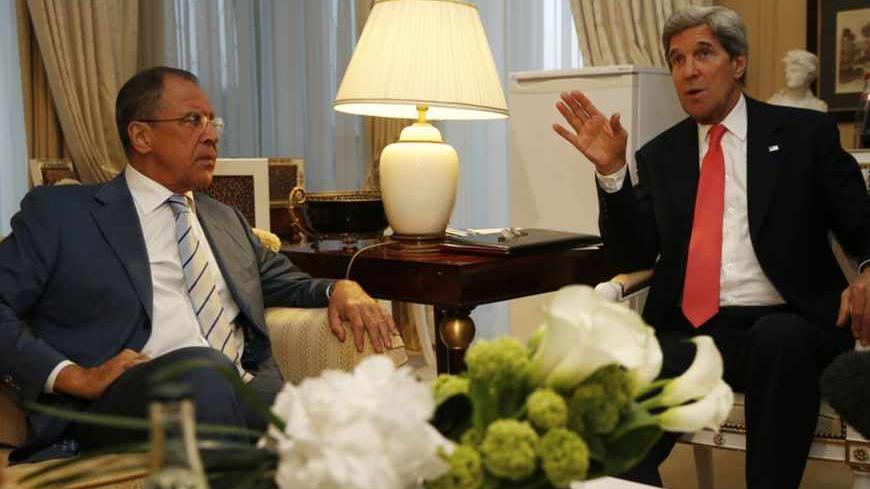
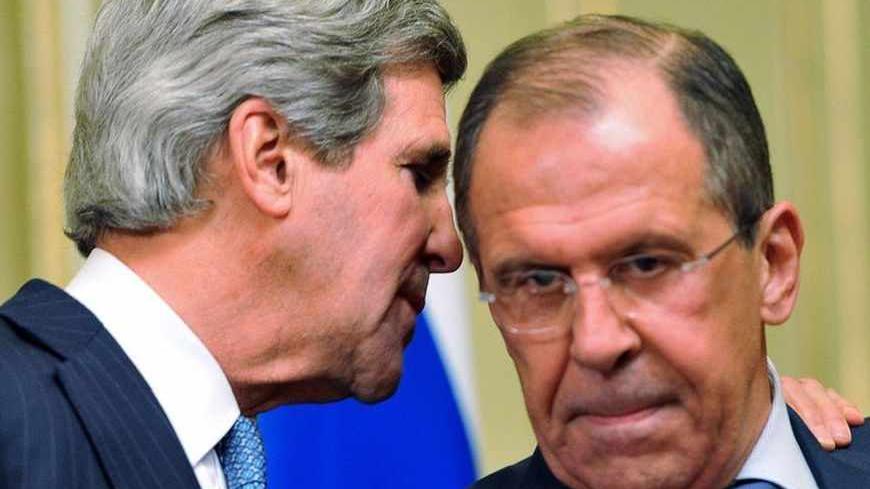
US Secretary of State John Kerry and Russian Foreign Minister Sergey Lavrov are still working on the invitation list for Geneva II.
Iran Key to Success of Geneva II Talks on Syria
The United States should invite Iran to the Geneva II talks on Syria and consider it a start for a more expansive regional dialogue.
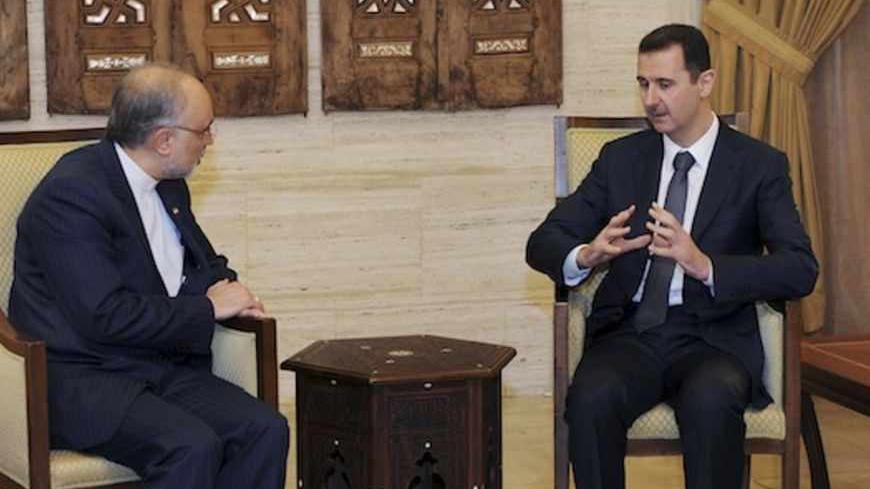
US-Russia Diplomacy on Syria Makes Comeback
The US, Russia — and Iran — resurrect diplomacy on Syria; Iran and Israel should consider talking about Syria; Palestinian Islamic Jihad.
Do the US, Iran Agree on Red Line For Syrian Chemical Weapons?
The US and Israel escalate the war in Syria; Russia, Iran, Hezbollah, Khaled Meshaal; and Al-Monitor launches Iran Pulse.
Syria’s Chemical Weapons, Israel and Hezbollah
The US statement about Syrian chemical weapons; Israel weighs in; the debate within Hezbollah about Syria.
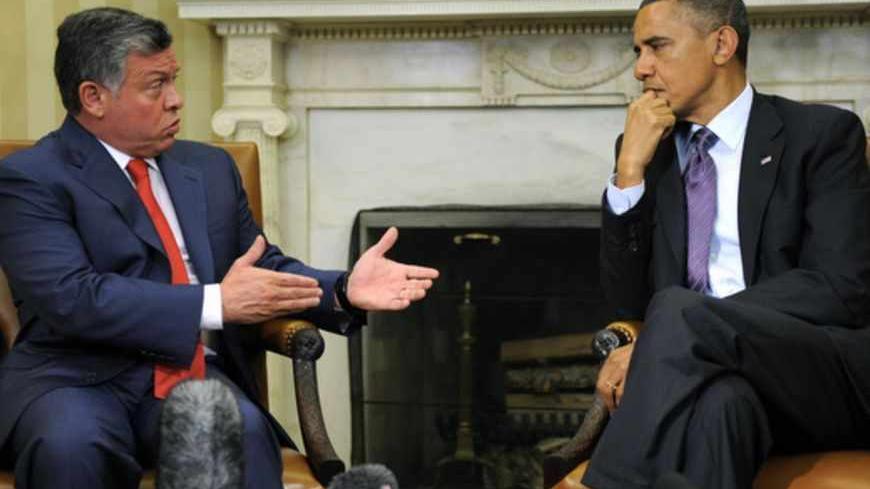
US Not Considering Arms To Syrian Rebels
The Obama administration resists congressional pressure for military aid to the Syrian rebels; Al-Monitor writers take on the case of Fazil Say and the resignation of Palestinian Prime Minister Salam Fayyad.
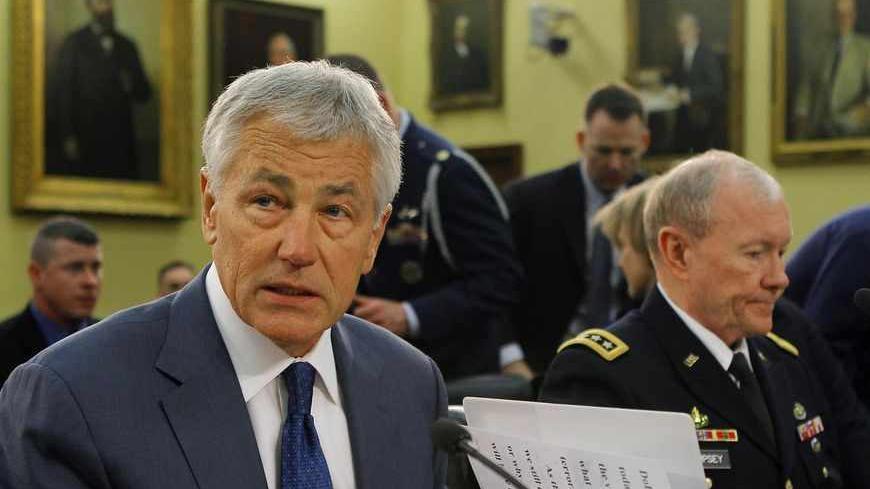
Obama and Bibi; Hezbollah and Syria; Jihadists and Lebanon
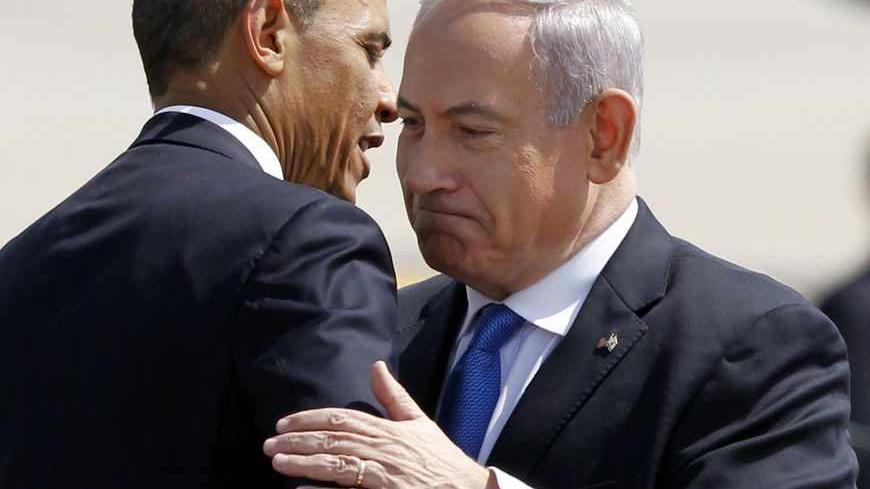
The backstories on the meeting between US President Barack Obama and Israeli Prime Minister Benjamin Netanyahu; Hezbollah’s debate over Syria; and the role of jihadists in Lebanon.
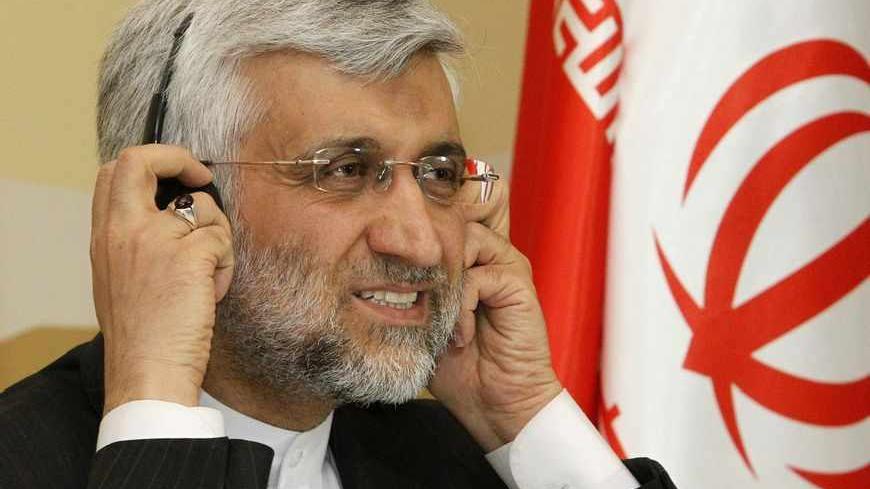
Iran Nuclear Talks Need Reset
The P5+1 and Iran should reset the agenda to include a compromise statement on Iran’s right to enrichment, a roadmap for the lifting of UN, EU and US sanctions, and urgent discussion of regional security matters, including Syria.
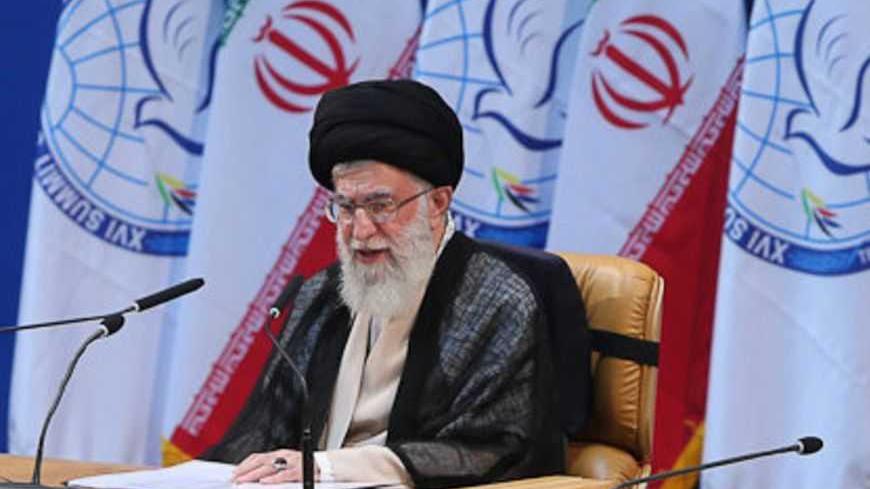
Hope for US-Iran Talks; Egypt in Crisis
Signs of a possible breakthrough in nuclear talks with Iran in Almaty; Egypt’s crisis deepens with reports of torture by the Muslim Brotherhood; Al-Monitor’s Pulse Pages now available in Arabic, Hebrew and Turkish.
Obama Calls for Peace Talks Without Conditions
Obama called on Palestinians to begin talks with Israel despite settlement activity; Iraq is on edge; and it's unclear if a Kurdish initiative and Netanyahu’s apology represent new trends in Turkish foreign policy.
Iran, misreading Trump’s resolve, escalates conflict in Yemen ahead of US midterms
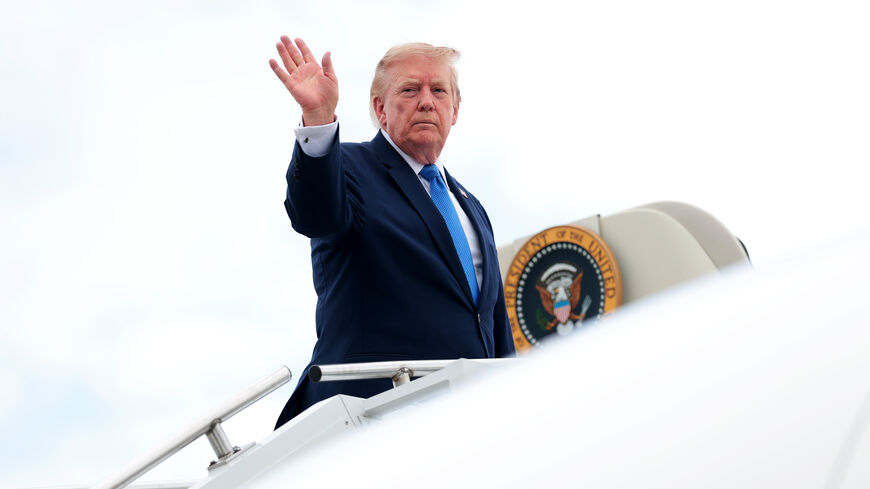
On the 25th anniversary of 9/11, Trump links Iran to the war on terror, vowing it will “never, ever have a nuclear weapon.”

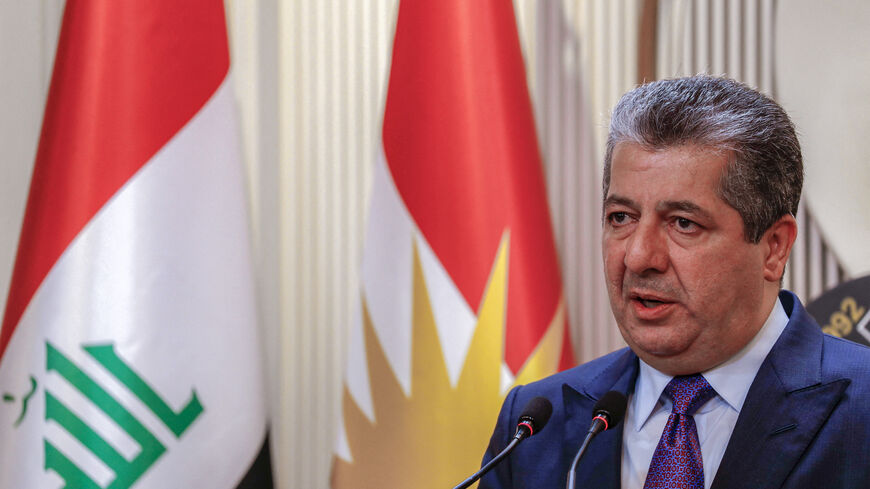
Barzani calls for enhanced air defense for Kurdistan Region to counter drone attacks
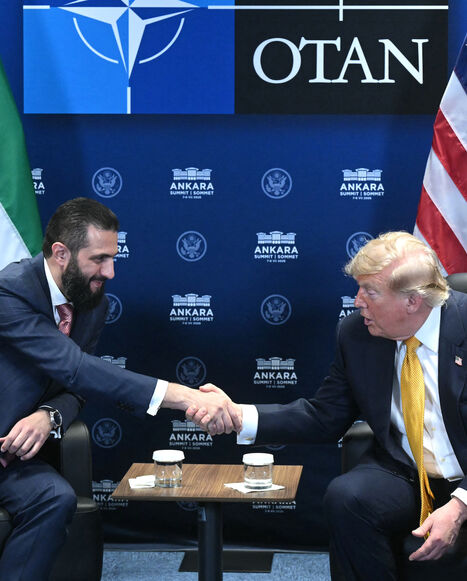
Iraqi Kurdistan Region Prime Minister Masrour Barzani backs US-led regional economic integration efforts and lauds US partnership in an exclusive interview with Al-Monitor.
Trump’s strategy on Iran may be paying off
Through far-sighted diplomacy and a durable new regional architecture, Trump has cornered Iran between alignment and atrophy.
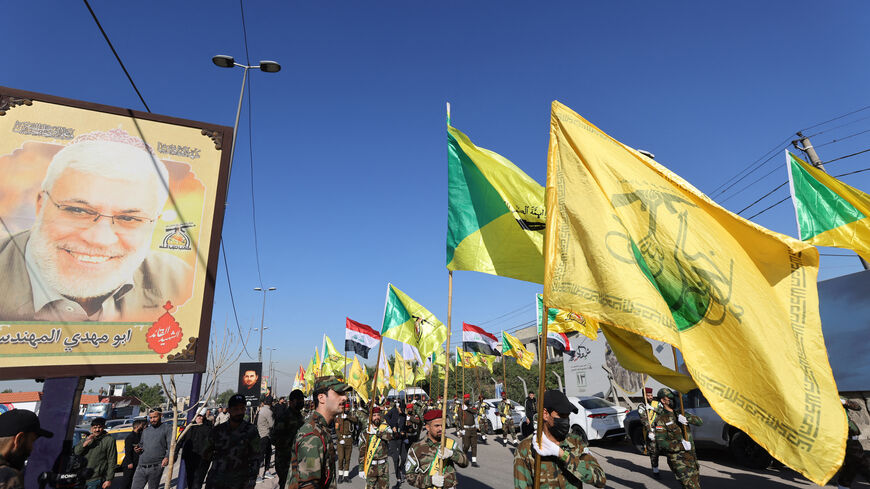
Iran-linked militias seek to draw Iraq into regional war
“Iran’s logic is the logic of war,” a Gulf regional official tells Al-Monitor.