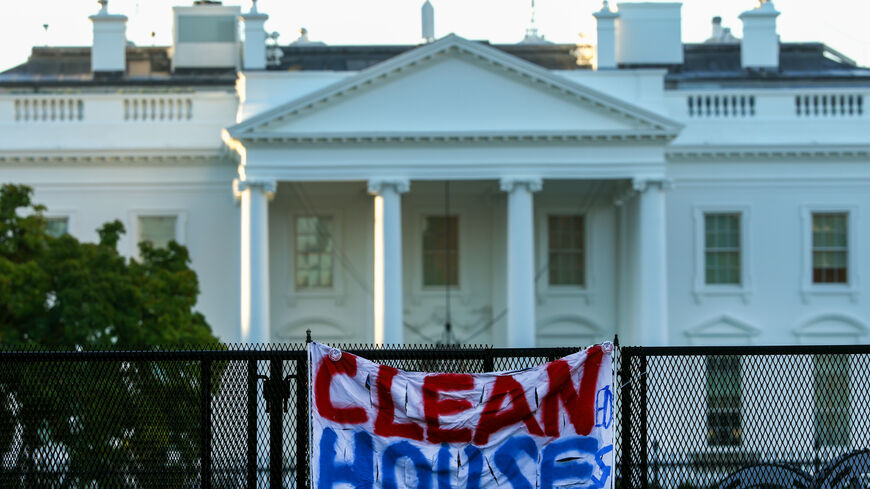



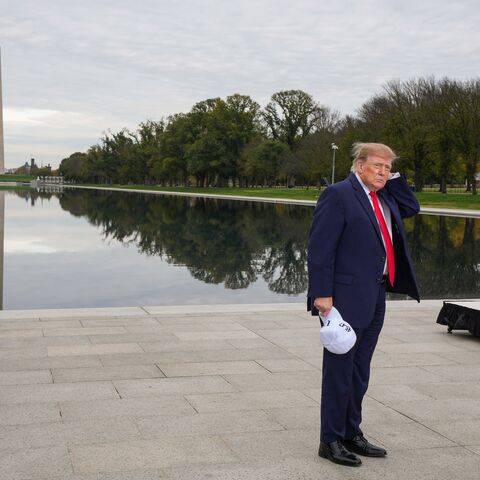

Newsletter: Daily Briefing Democrats prepare to confront Trump Democrats plan to use their newly won control of Congress to confront President Donald Trump over the Iran war, reassess military aid to Israel and investigate his family’s Gulf business ties By Ezgi Akin In Ankara, reporting on diplomacy, EU-Turkey ties, NATO
Feature Emboldened Democrats gear up to challenge Trump over Iran war, Gulf business ties Democrats are weighing options to enforce Congress’ authority to declare war. By Elizabeth Hagedorn In Washington, DC, reporting on diplomacy, regional politics, human rights

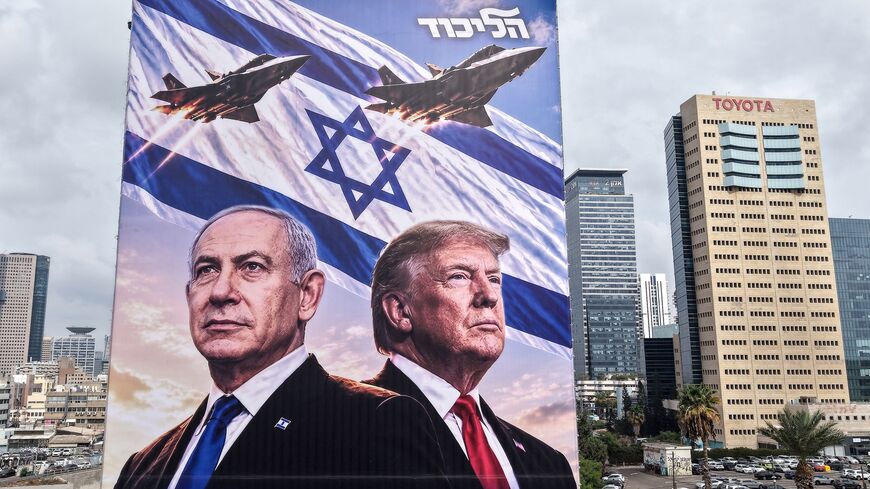
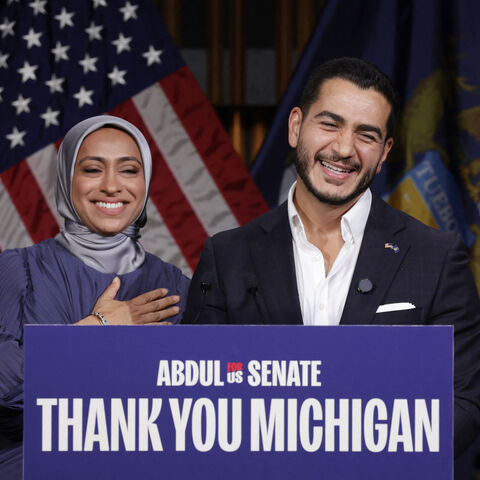
Explainer Democrats’ midterm sweep tests US-Israel ties as Eisenkot vows reset Political sources describe the Democrats' midterm victory as a political blow to both US President Donald Trump and Israeli Prime Minister Benjamin Netanyahu. Israel
Newsletter: Business & Tech Democrats’ win: What’s at stake for Gulf business The immediate concern for the region is whether Washington and Israel will resume strikes on Iran, potentially triggering further Iranian attacks on Gulf states. By Jack Dutton In Bristol, reporting on regional business, climate change, AI, tech
Newsletter: Daily Briefing Democrats' triumph By Gabrielle Debinski In New York City, reporting on the Middle East
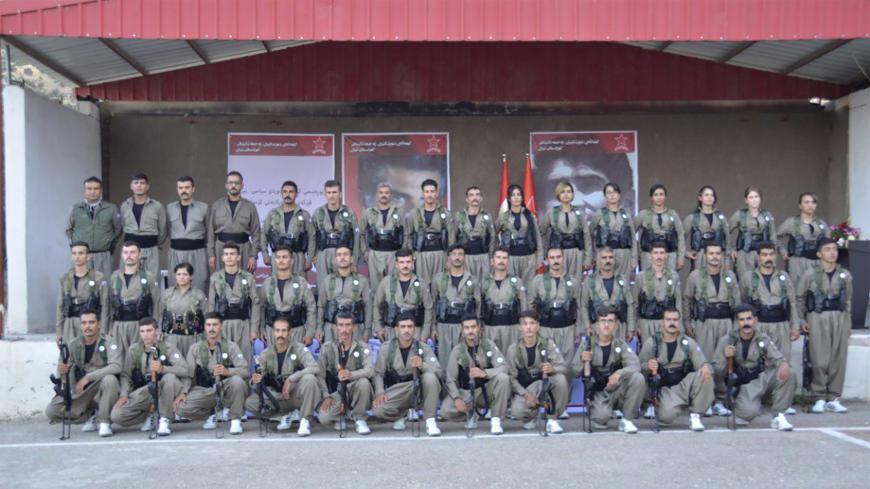
Iranian Kurdish rebels hire law firm to lobby Trump administration The Komala Party of Iranian Kurdistan now has lobbyists covering both the executive and legislative branches. United States
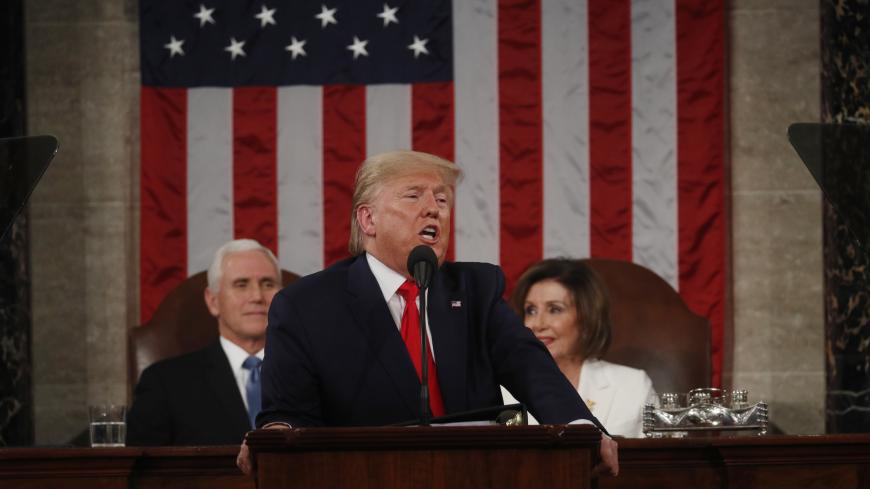
Intel: Trump touts eliminating Soleimani, Baghdadi at State of the Union President Donald Trump focused on his removal of Iran’s Quds Force commander Qasem Soleimani and Islamic State leader Abu Bakr al-Baghdadi from the Iraqi and Syrian battlefields during his State of the Union address on Tuesday. United States
Intel: Pentagon pauses program that helps Turkey target PKK The United States has suspended providing real-time intelligence to Ankara that helped it target militants of the outlawed Kurdistan Workers Party. Turkey
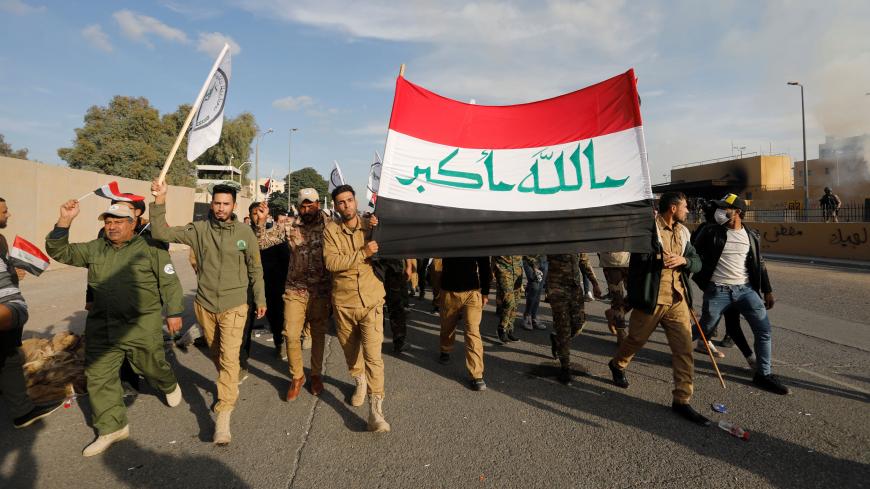
PMU factions reluctant to target US interests in Iraq directly Following the assassinations of Qasem Soleimani and Abu Mahdi al-Muhandis, Shiite armed factions are reluctant to engage in direct war with the United States due to the lack of military balance between them and their fear of US reactions. Iraq
When will Europe propose genuine peace plan for Israel, Palestinians? If the European Union wants to stay relevant in the Middle East, it must make up its mind over the Trump administration's peace plan and advance with an alternative, viable proposal. Palestine
Intel: Morocco played up Iran rhetoric as it eyed US-Israel deal on Western Sahara Israel, Morocco and the United States have been pursuing back channel negotiations on the disputed Western Sahara for more than a year. Israel
Israel's Gantz choosing wrong battles against Netanyahu Blue and White leader Benny Gantz should continue focusing his campaign on the charges against Prime Minister Benjamin Netanyahu, instead of falling into the trap of a diplomatic battle. Palestine
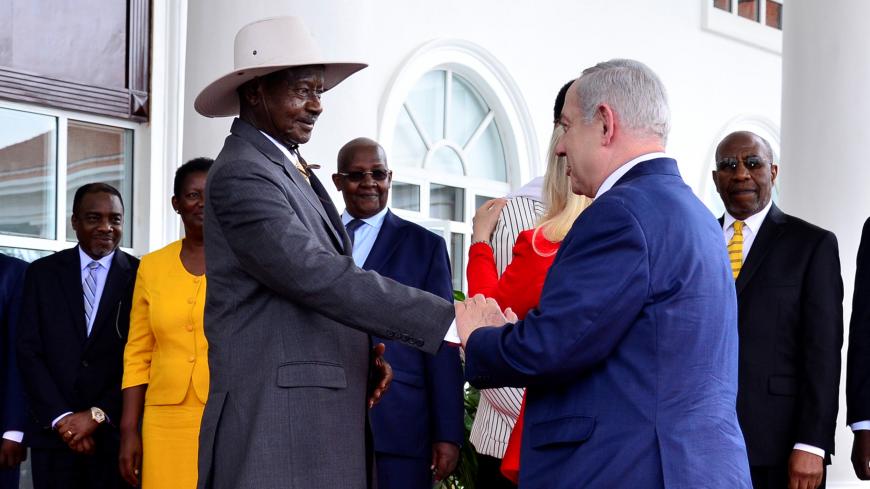
Netanyahu’s Africa blitz includes photo ops, pleasing US Israeli diplomats fear that the drive for cooperation projects with African countries is being replaced by Prime Minister Benjamin Netanyahu’s desire for photo-ops and by hints that relations with Jerusalem would open the door to Washington. Israel
A united response to Trump’s Mideast deal in a divided Yemen Yemen’s Houthi rebels and the internationally recognized government have both rejected the US Middle East peace plan. Yemen
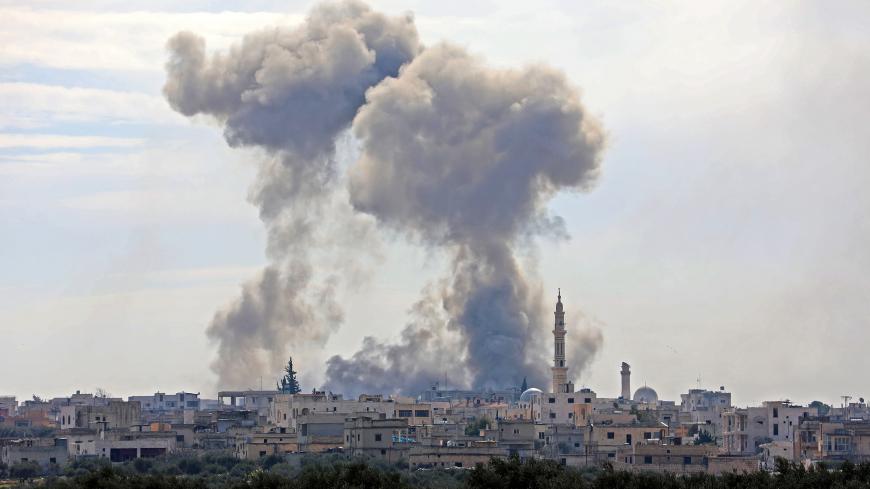
What brought Iranian forces to Idlib front? A number of developments, including Turkey's greater involvement in Syria and the US assassination of Iranian Maj. Gen. Qasem Soleimani, may be driving Iran's move to get more involved in Idlib battlefield operations. Syria
Intel: Jamal Khashoggi’s fiancee to attend Trump’s State of the Union address Jamal Khashoggi’s widow will be watching President Donald Trump as he discusses his record in the Middle East at his annual State of the Union address on Tuesday. United States
Iran's Zarif says Swiss humanitarian channel 'small step' Iran has welcomed the new channel with Switzerland, which will allow the delivery of medicine. But it expects more from Europe in fulfilling its end of the nuclear deal. United States