

Analysis Inside Turkey’s role in the US-Iran ceasefire Turkey used its intelligence networks and rare access to both Washington and Tehran to quietly facilitate the US-Iran ceasefire while advancing its own regional security priorities. By Barin Kayaoglu In Ankara, reporting on geopolitics and national security
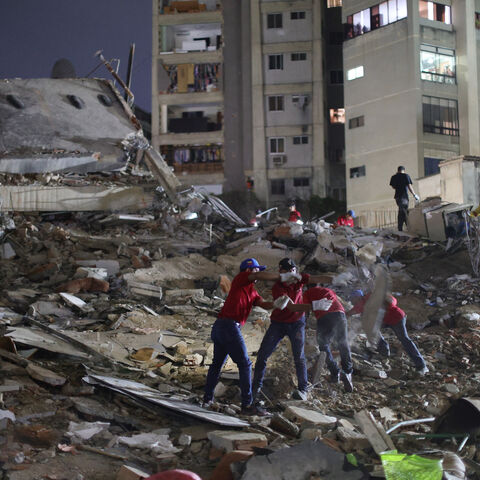
Analysis Ceasefire without relief: How Iranians are grappling with post-war repression Despite the ceasefire, pressure is mounting inside Iran: arrests are rising, the internet remains largely shut down, and millions face deep economic uncertainty. By A correspondent in Tehran In Tehran, reporting on politics
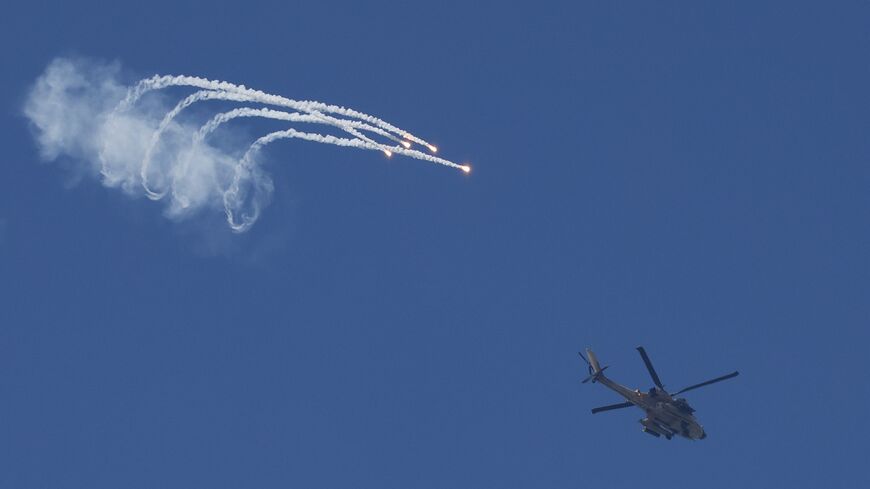
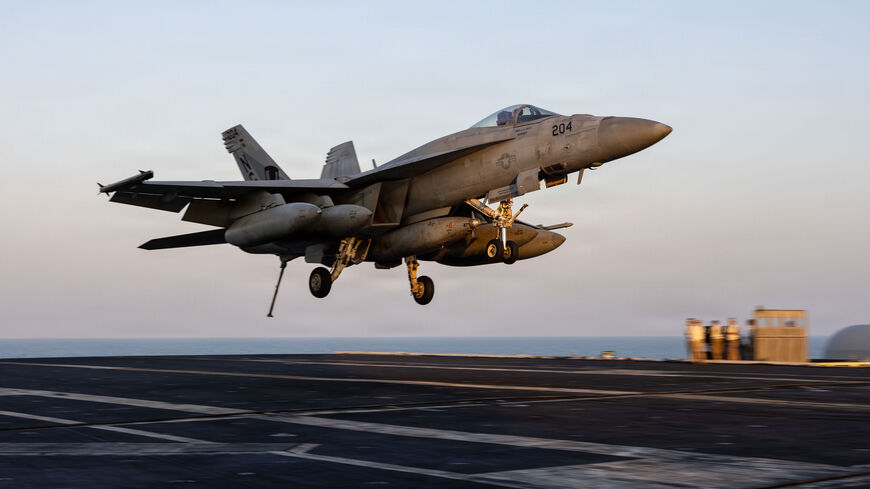
Newsletter: Security Iran war reveals limits of US air power After weeks of airstrikes, Washington faces a narrower set of options as Iran retains leverage over Hormuz ahead of upcoming talks. By Jared Szuba In Washington, DC, reporting on defense, national security, military
In Islamabad, US set to face a more defiant Iran at negotiating table Iran's widening ambitions after the war include a bid to exercise permanent control over the Strait of Hormuz. Iran
Analysis Ahead of Washington talks, Israel has little choice but to accept ceasefire in Lebanon By Ben Caspit In Tel Aviv, reporting on national security, Israeli politics, defense
Analysis Sanctions relief, Pakistan role propel China backing of Iran-US ceasefire By Joyce Karam , Rosaleen Carroll
Solana: Syria War May Be Obstacle to Iran Nuclear Talks Javier Solana, former NATO secretary-general and foreign policy chief for the European Union, warns that the Syria war is threatening the unity of nations negotiating with Iran over its nuclear program. Syria
Sunday in the Persian Kitchen With Chef Najmieh Batmanglij At a time of growing tension between the United States and Iran, Persian cuisine can be a bridge between cultures, writes Barbara Slavin. Iran
Hope for US-Iran Talks; Egypt in Crisis Signs of a possible breakthrough in nuclear talks with Iran in Almaty; Egypt’s crisis deepens with reports of torture by the Muslim Brotherhood; Al-Monitor’s Pulse Pages now available in Arabic, Hebrew and Turkish. Egypt
10 Ways to Understand Iran's Nuclear Decision-Making Nabo Sanboli maintains that Western countries will not benefit if they continue to misunderstand Iran’s religious-rational approach to international issues. Iran
Israelis, Iranians Meet at Summit Shlomi Eldar is surprised to discover an Israeli flag fluttering beside the Iranian flag at the well-known tourist site of Mount Tahtali, Turkey. Israel
Exiled Iranian Satirist Still Mocks Ruling Elites It's not easy to make fun of people who want to imprison you, but satirist Ebrahim Nabavi has made a career of it. The prolific Iranian writer and performer, on tour in the US, is interviewed by Saideh Jamshidi. Iran
Shahnameh of the Digital Age A vibrant new version of the Persian epic reconstructs 500 years' worth of images and texts to create a modern mythology for English speakers and Iranians alike, writes Roja Heydarpour. Pan Arab
Egypt’s Interest in Iraq, Iran Is Economic, Not Ideological Despite the concerns of Gulf states that Egypt’s recent rapprochement with Iraq, and by extension Iran, is founded on an ideological basis, experts assert the reason is purely economic, Abdelrahman Youssef writes. Egypt
Obama Misses TargetWith Nowruz Message Sasan Aghlani writes that the message delivered in US President Barack Obama's annual Nowruz speech indicates that he fails to understand his target audiences and the effects of sanctions on Iran. Iran
New Book Argues Talk, Not Bombs, Best Way to Delay a Nuclear Iran In their new book, authors Geoffrey Kemp and John Allen Gay warn that attacking Iran might actually speed up the Iranian nuclear program and cause a "multigenerational catastrophe" if the object is regime change. Iran
Khamenei Shifts Stance: Open To Talks Between Iran, US Iran's Supreme Leader Ayatollah Khamenei seems to be finding it increasingly difficult to ignore requests for direct talks between Iran and the US, writes Shahir ShahidSaless. Iran
Declining OPEC Leverage Predicted in BP Forecast Growing energy production and diversification in the United States could make the US 99% energy sufficient by 2030, decreasing OPEC’s leverage over oil prices. Pan Arab