
Since 2012, the Week in Review keeps you ahead of the curve with in-depth analysis of the trends in the region, based on AL-MONITOR’s world class reporting.
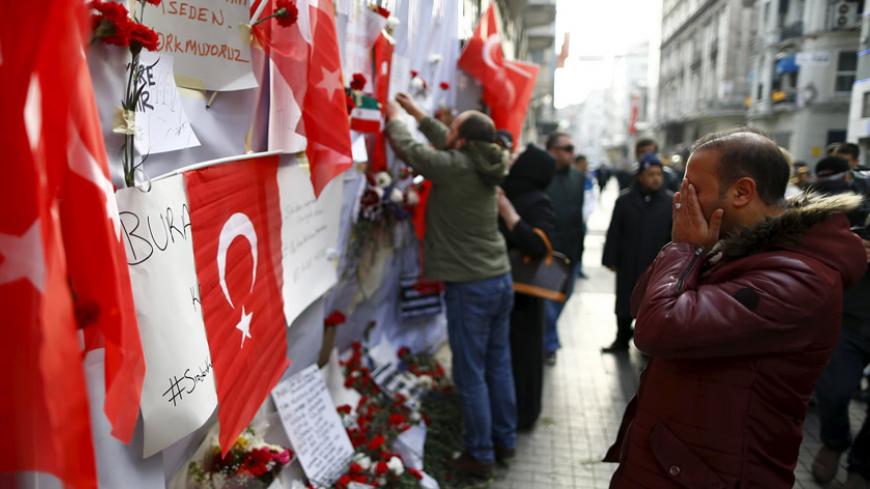
Erdogan takes authoritarian rule to new heights in war on PKK
Terrorist bombing in Turkey kills two Americans as Turkish President Recep Tayyip Erdogan resurrects "thought crimes" in confronting critics; Is Iran a spoiler in Palestinian politics? Israel cool to feelers from Sudan.
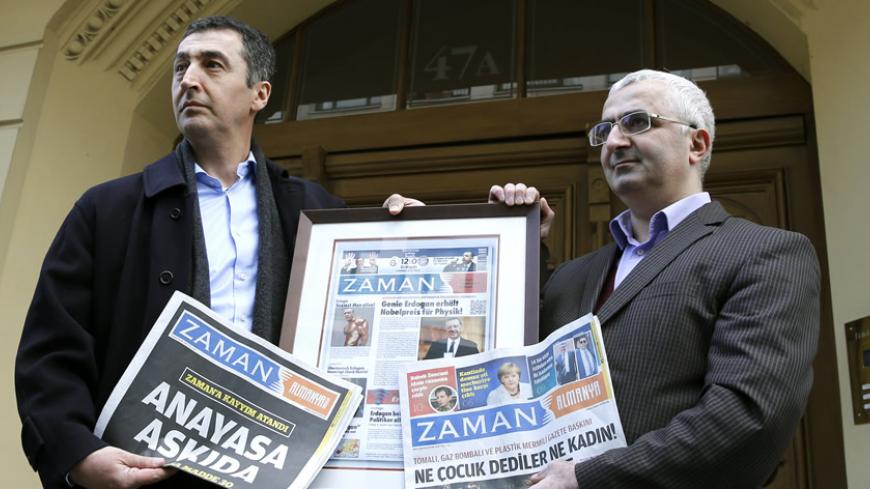
Erdogan intensifies assault on independent media
US State Department calls on Turkey to respect "democratic values"; Israel considers Erdogan a "lost cause," sees Putin winning "on all counts."
Is Israeli-Palestinian two-state solution almost dead?
Iran poised to exploit the declining fortunes of the Palestinian Authority as Israel expands West Bank settlements; Syrian government forces prepare for a showdown in Raqqa; The Washington Post refers to Jaish al-Islam as a "rebel" group; Al-Monitor Syria Timeline includes commentary from Ambassador Ryan Crocker and others.
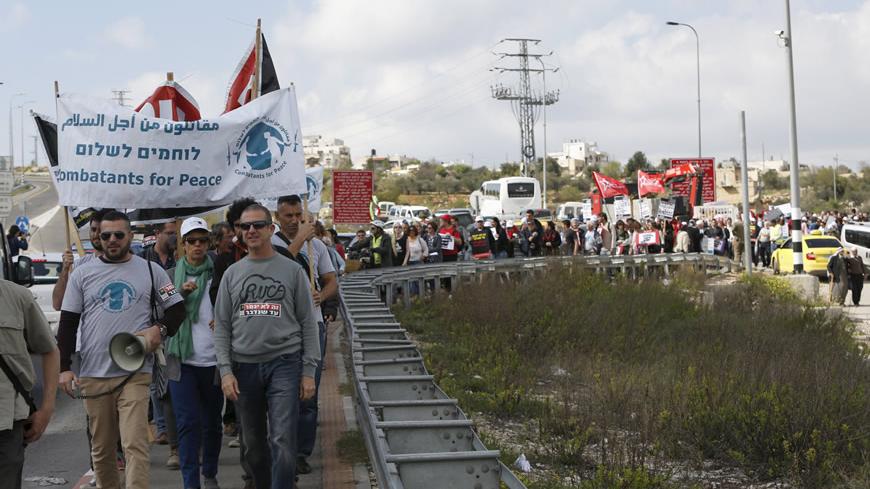
Is Turkey 'on the hook' regarding Syria cease-fire?
US-Russia agreement on Syria is a possible breakthrough in peace efforts; Erdogan calls US alliance with Syrian Kurds a “Great Lie.”
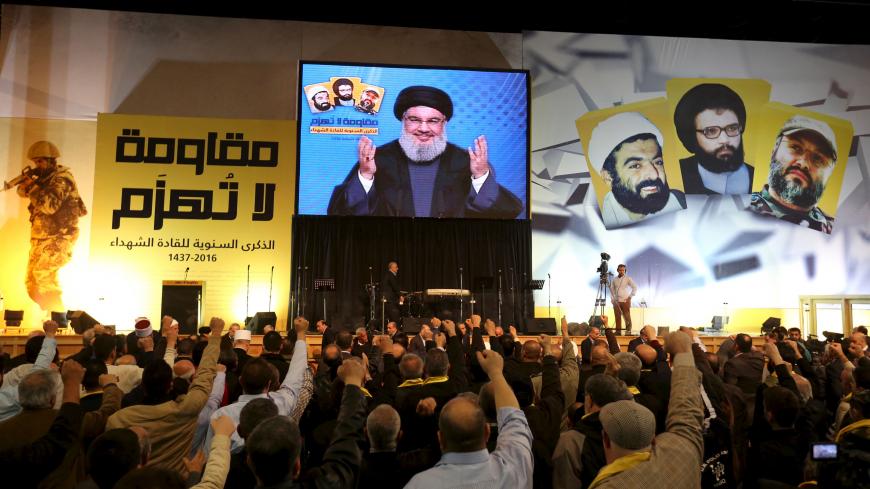
Does Hezbollah seek Israel’s elimination? 'Not so,' says Nasrallah
Hezbollah leader says group will not open new front against Israel; Turkey’s two-front war; battles for Aleppo “unlike any others”; Saudi military exercise provides distraction.
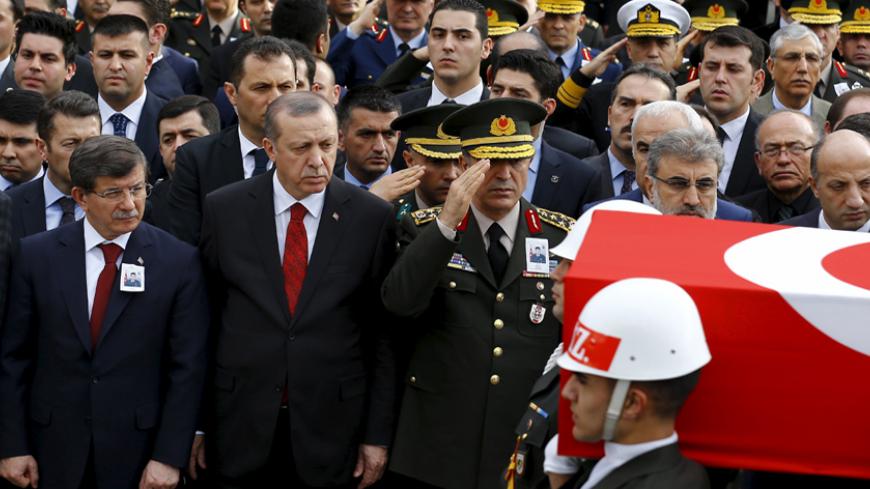
Turkey threatens fragile Syria peace accord
Turkish President Recep Tayyip Erdogan says the United States is responsible for "sea of blood" in Syria as Turkey attacks Syrian Kurds; Ankara and Riyadh raise specter of ground operations in Syria.
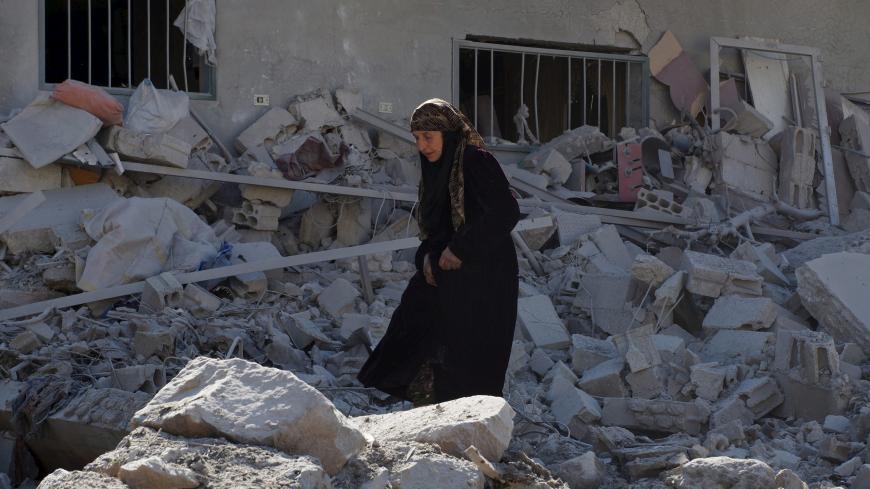
Is Russia helping the US win in Syria?
Russian air power and Syrian forces are pounding terrorists and their allies, while taking a terrible toll on civilians; keep Turkey out of Syria.
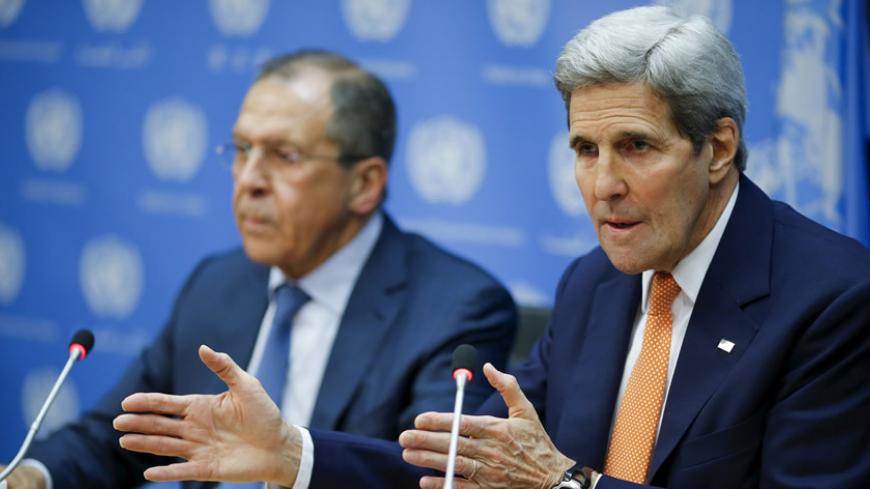
Should armed groups allied with al-Qaeda be included in Syria peace talks?
Our answer is no; Erekat’s “main priority is not to allow IS to raise its flag in Palestine”; Turkey responds to Biden with fake news.
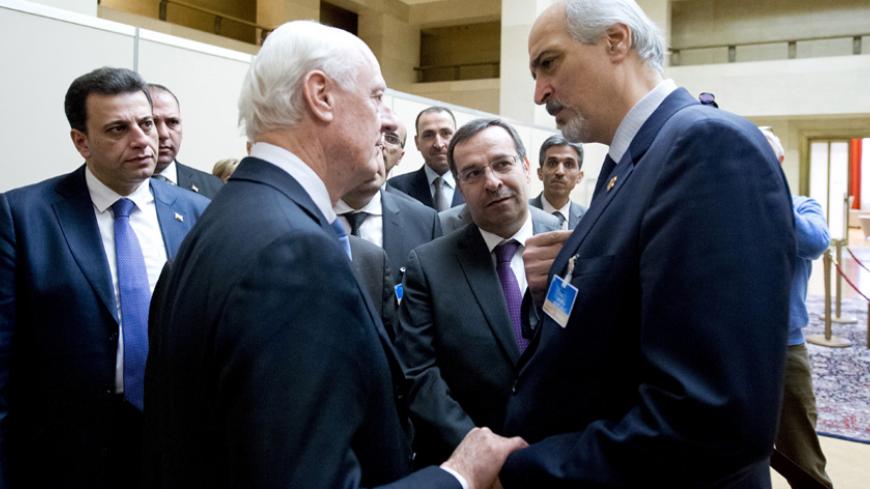
Biden calls for 'change of attitude' by Turkish government
US Vice President Joe Biden says Turkey is setting the wrong example for the region.
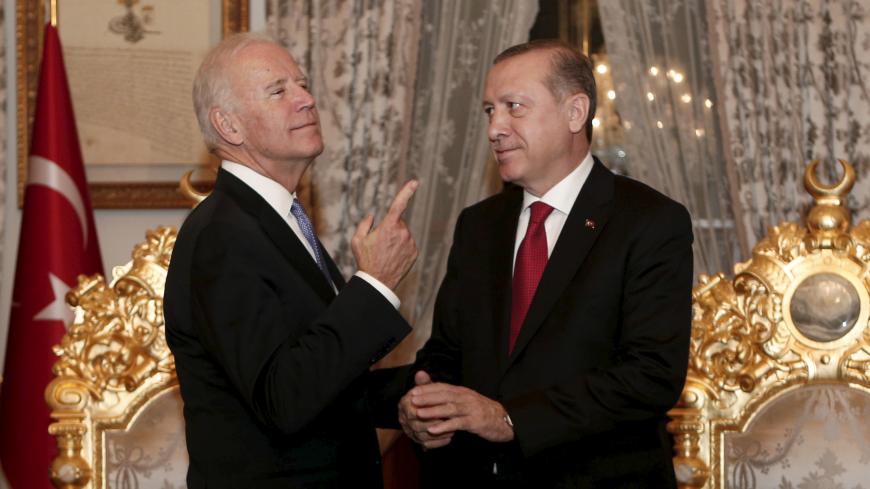
Syrian endgame could begin with Aleppo
Aleppo could begin healing in Syria; Syrian armed group backed by US allies seeks caliphate; FSA leader says US “moving toward being a partner in crime” in Syria; Hagel says US Syria policy was paralyzed over "Assad must go."
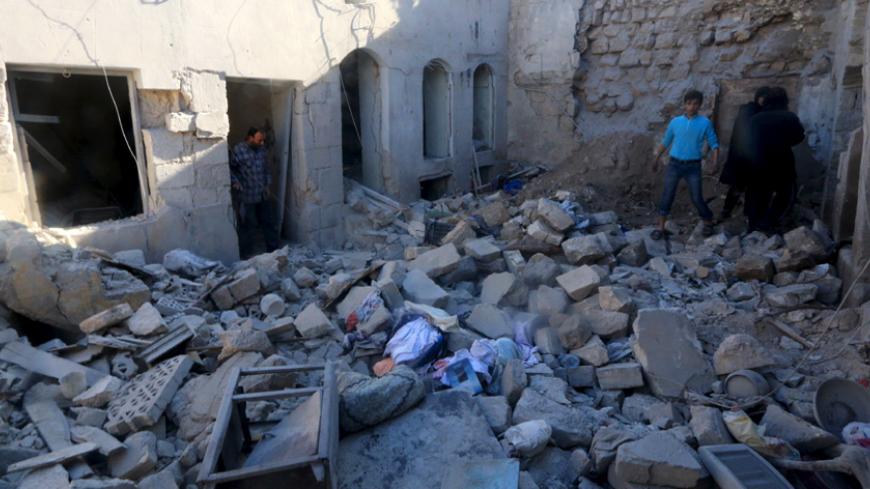
Iran, misreading Trump’s resolve, escalates conflict in Yemen ahead of US midterms
On the 25th anniversary of 9/11, Trump links Iran to the war on terror, vowing it will “never, ever have a nuclear weapon.”

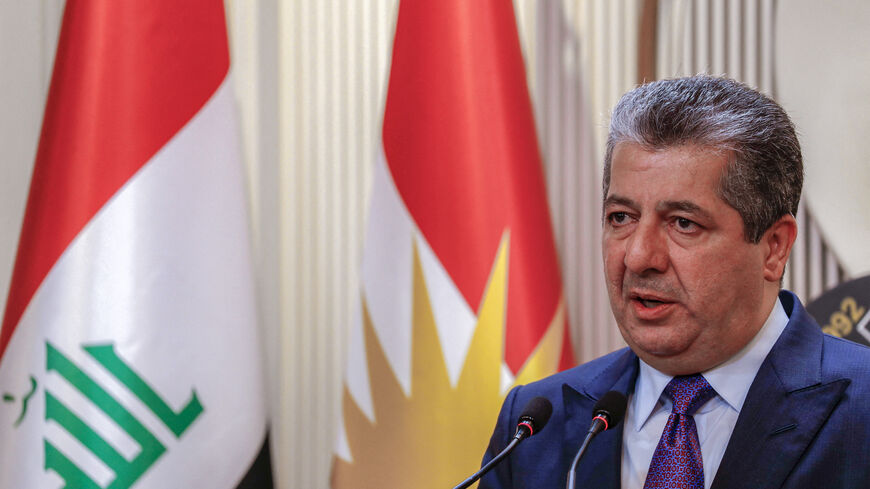
Barzani calls for enhanced air defense for Kurdistan Region to counter drone attacks
Iraqi Kurdistan Region Prime Minister Masrour Barzani backs US-led regional economic integration efforts and lauds US partnership in an exclusive interview with Al-Monitor.
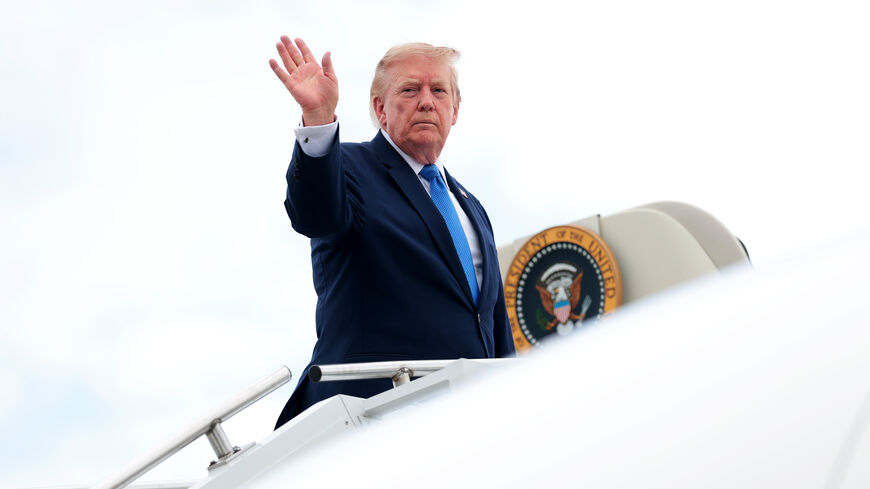
Trump’s strategy on Iran may be paying off
Through far-sighted diplomacy and a durable new regional architecture, Trump has cornered Iran between alignment and atrophy.
Iran-linked militias seek to draw Iraq into regional war
“Iran’s logic is the logic of war,” a Gulf regional official tells Al-Monitor.