



Despite war, Lebanon reopens film archive celebrating cinematic history
The reopening marks a major effort to preserve Lebanon’s rich cinematic history.

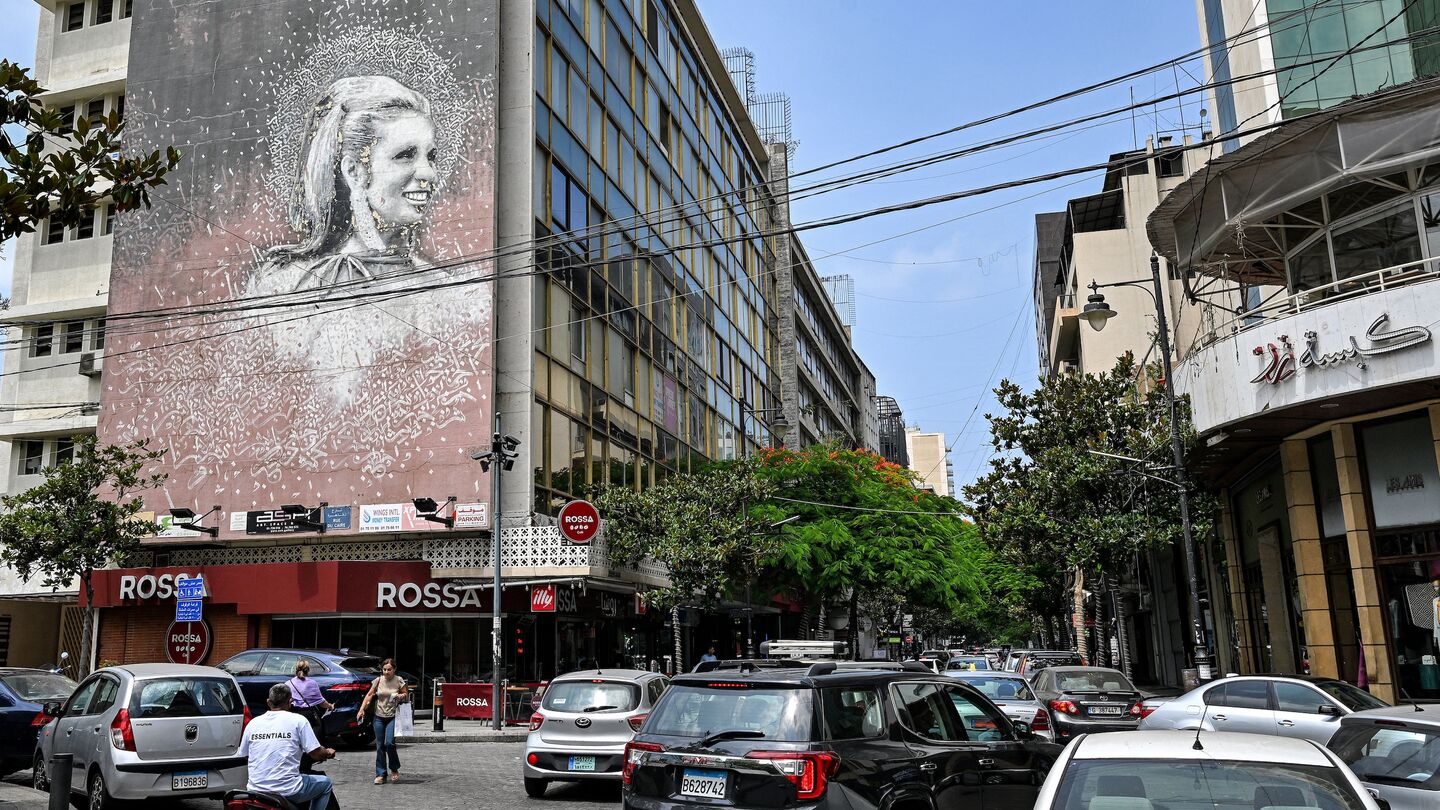
BEIRUT — Lebanon reopened on Thursday the Cinematheque Libanaise, a national archive dedicated to preserving the country’s cinematic history, in a move that could provide a cultural haven as the country endures nearly three years of ongoing hostilities.
Lebanese Minister of Culture Ghassan Salame attended the ceremony at the National Library in Beirut, the state-run news agency reported. An exhibition featuring a collection of Lebanese film archives was also opened to the public at the library.
Local initiatives to preserve cinema
The Cinematheque Libanaise was founded in 1999 by then-Minister of Culture Mohammed Youssef Baydoun. It was part of a series of cultural initiatives launched after UNESCO named Beirut the Arab Cultural Capital for 1999.
The Cinematheque Libanaise was based at the Ministry of Culture offices in the Verdun district of Beirut where a dedicated hall hosted catalog films, photographs and documents related to Lebanese cinema. The move aimed to safeguard the country’s cinematic memory and collect audiovisual material documenting the history of filmmaking in the country.
Cinematheque Libanaise was eventually shut down due to endemic bureaucracy and corruption. It is not clear when the national archive was closed, but local reports suggest it was nearly a decade ago.
The national archive was not the first attempt to preserve Lebanon’s cinematic and film heritage. The idea dates back to 1969, when Maurice Akl, one of the founders of the Beirut Film Club, began collecting films and documents for what would have been the country’s first film archive, Lebanese filmmaker Nour Ouayda told Saint Joseph University in a 2019 interview. Akl's collection was destroyed in 1975 when a shell hit his office in downtown Beirut at the start of the civil war.
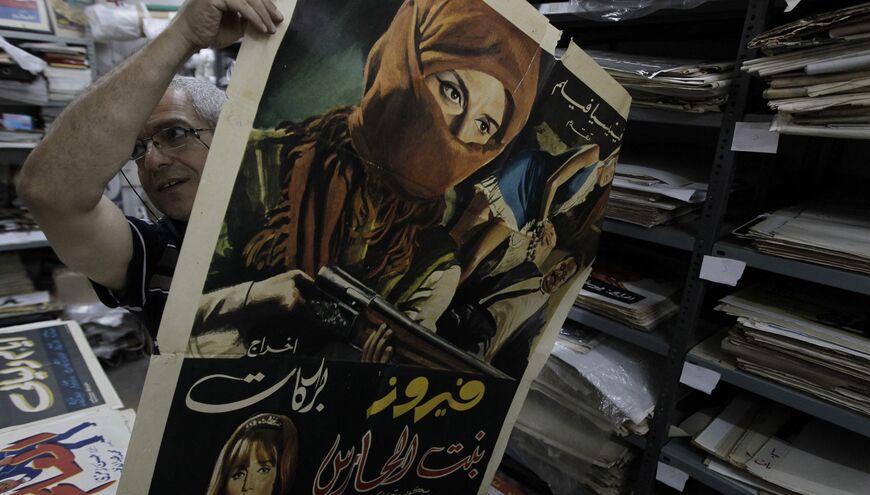
Following the closure of Cinematheque Libanaise, independent organizations, artists and film enthusiasts launched their own initiatives in a bid to preserve Lebanon’s film heritage. One of the most prominent projects was launched by the Beirut-based Metropolis Cinema Association in June 2018 under the name “Cinematheque Beirut.”
Cinematheque Beirut consists of an online database containing hundreds of Lebanese film productions. The project also regularly screens classic and contemporary movies from Lebanon.
Cinema through wars, crises
Despite being overshadowed by Egypt — once considered the Hollywood of the Middle East — Lebanon’s film industry has made major breakthroughs since the early 20th century, reaching its peak in the 1950s and 1960s with a wave of popular films and musicals that showcased artists such as Fairuz, the Rahbani brothers and Sabah.
In 1957, “Ila Ayn?” ("Where To?"), a film by prominent Lebanese director George Nasser, was screened at the Cannes Film Festival, becoming the first Lebanese film selected for the prestigious event. In 1971, Beirut hosted the first international film festival in the Arab world.
After the civil war erupted in 1975, a new theme emerged in Lebanese cinema, with directors focusing increasingly on life during wartime and the hardships faced by the Lebanese people.
In the years that followed and after the war ended in 1990, several Lebanese films made it to international events. In 1991, Maroun Bagdadi’s “Hors la vie” ("Out of Life"), which is based on the story of French journalist Patrick Perrault’s kidnapping during the war in Beirut, won the Special Jury Prize at the Cannes Film Festival.
The following year, “The Tornado,” by Samir Habchi, which was actually shot on location during the civil war, received the Special Jury Prize at the 1992 Festival de Bastia.
Another film — “West Beirut,” written and directed by Ziad Doueiri and featuring the civil war through the eyes of two young friends — became the first Lebanese film to be released in US cinemas. The movie won multiple international awards, including the Prix Francois Chalais at the Cannes Film Festival and the International Critics' Award at the Toronto International Film Festival in 1998.
Although no Lebanese film has ever won an Academy Award, another movie by Doueiri, “The Insult,” made history by being nominated for Best Foreign Language Film at the Oscars in 2017. Nadine Labaki’s “Capernaum” ("Chaos") was also nominated in the same category at the 2018 Academy Awards.
This one's on us.
The story doesn't end here.
Our correspondents are already on the next chapter. Read everything they file, from $2/week.
See Offers