



Lebanon's churches, mosques and archaeological sites damaged in Israeli strikes
Israeli strikes in Lebanon have damaged a growing number of cultural and religious sites, as sites in Israel have also sustained damage from Hezbollah and Iranian attacks.


Over the weekend, the Israeli military acknowledged it had damaged a Catholic convent in southern Lebanon, as strikes that have been ongoing since 2024 have increasingly affected cultural and religious sites across the country, with southern Lebanon bearing the brunt of the damage.
Photos of the Catholic convent run by the Sisters of the Holy Savior in the town of Yaroun in southern Lebanese after it was demolished by the Israeli army. pic.twitter.com/J9zo2XnQwS
— Ihab Hassan (@IhabHassane) May 3, 2026
According to the Israeli military Arabic-language spokesperson Avichay Adraee, Israeli troops operating in the border village of Yaroun damaged a structure that it said “had no external signs indicating it was a religious building.” He added that “Hezbollah had launched rockets multiple times from within the complex toward Israeli territory.”
Adraee said forces moved to prevent further damage once they identified religious features inside the complex.
In a statement published on Saturday, L'Oeuvre d'Orient, a French Catholic organization, said that the convent “belonged to the Salvatorian Sisters, a Greek-Catholic religious order.”
The damage in Yaroun comes on the heels of a controversy in April, when an image circulated showing an Israeli soldier desecrating a statue of Jesus on the cross in southern Lebanon. After backlash, the Israeli military said it had removed two soldiers from combat duty and sentenced them to 30 days in jail.
The incidents come amid growing concern over the impact of the conflict on Lebanon’s cultural sites. Israel has carried out airstrikes across the country since Hezbollah drew Lebanon into the wider war with Iran in early March and Israel began a ground invasion of southern Lebanon. But Israeli strikes in southern Lebanon have been ongoing since 2024, despite the ceasefire agreed to in November of that year.
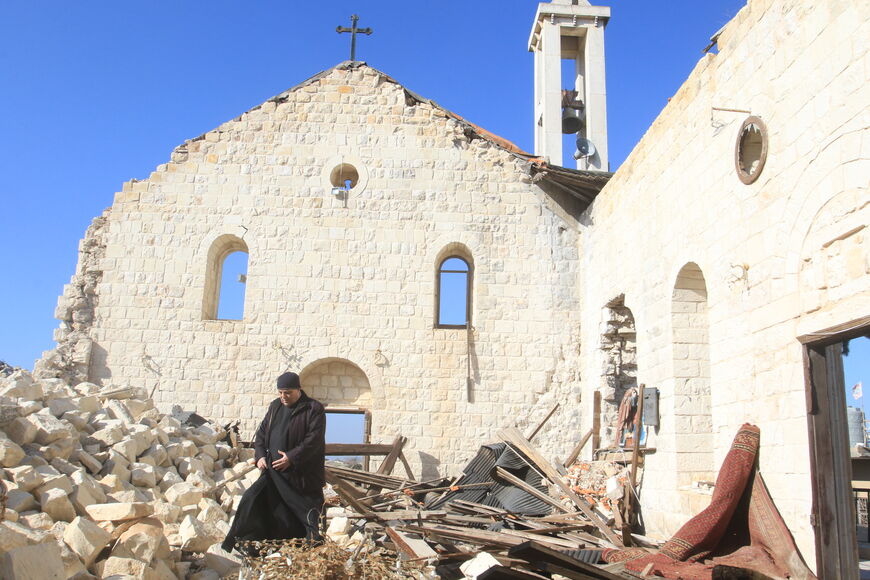
A worshiper walks inside the badly damaged St. George's Church following a Christmas mass in the southern Lebanese village of Yaroun near the border with Israel on Dec. 25, 2025. (Mahmoud Zayyat/AFP via Getty Images)
A number of cultural and historical sites were damaged during the fighting in 2024, including the historic souq in Nabatieh, which dates to the Mamluk era (1250-1517), Melkite Greek Catholic churches in the villages of Yaroun and Derdghaya, and areas surrounding the ancient Baalbek Citadel. The Baalbek Citadel is a UNESCO World Heritage site, and Israeli strikes in 2024 also damaged nearby Ottoman-era and historic buildings, including the Al-Manshiya building, the Palmyra Hotel and the Dome of Douris.
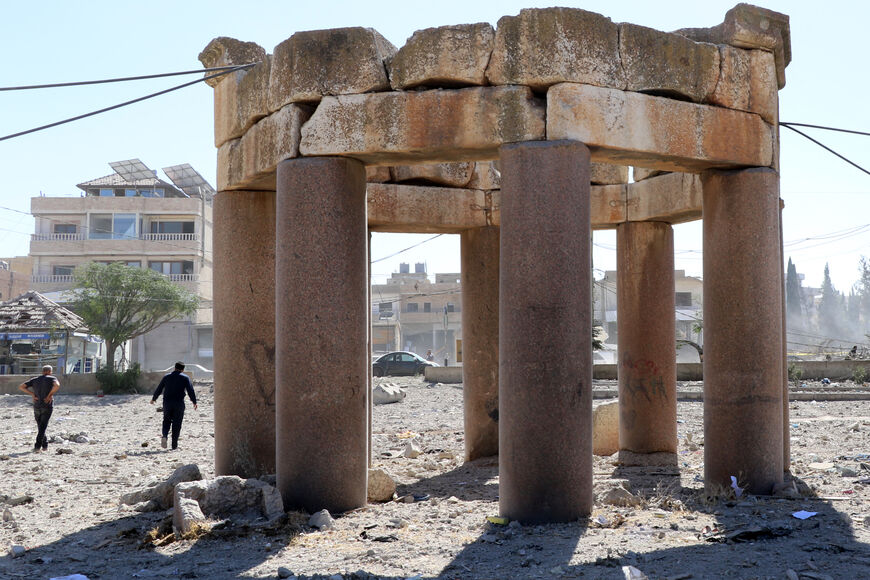
Destruction litters the scene around the Qubbat Douris archaeological site in the village of Douris, southeast of Baalbek in Lebanon's eastern Bekaa Valley, following an overnight Israeli air strike, on Oct. 15, 2024. (Nidal Solh/AFP via Getty Images)
UNESCO, the UN body responsible for protecting cultural heritage, can grant sites special status that requires parties in a conflict to avoid targeting them and to take precautions to limit damage. In November 2024, Tyre, Umm al-Amad, Chamaa, Tebnine, Beaufort Castle and Dbayeh were placed under enhanced protection. Just last month, UNESCO granted provisional enhanced protection to 39 cultural sites in Lebanon, after Beirut requested international support amid the conflict.
Despite these safeguards, cities such as Tyre, which is known for its Roman archaeological sites, remain vulnerable. In March, a missile strike in Tyre damaged the perimeter of a UNESCO-listed archaeological site, according to Lebanon’s Ministry of Culture.
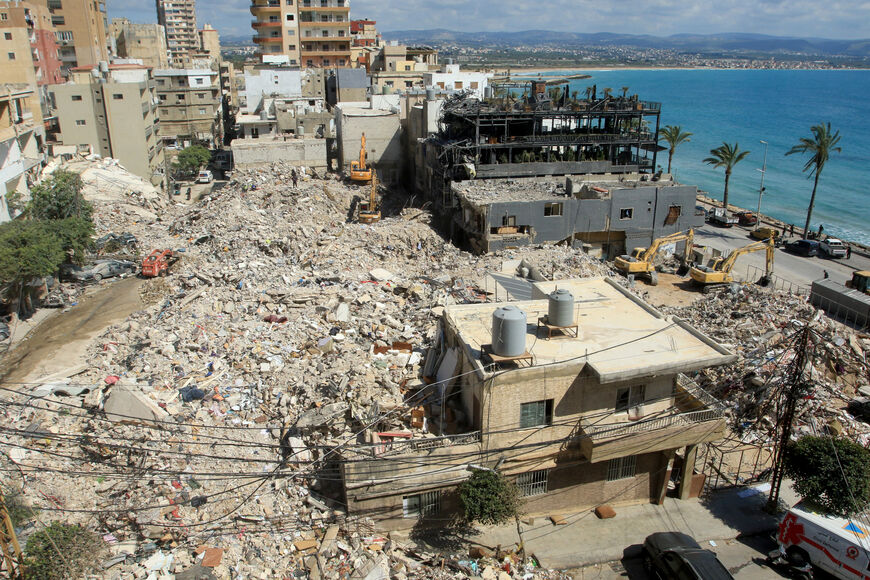
Diggers remove the rubble of buildings destroyed in Israeli strikes as they look for survivors buried underneath in the southern Lebanese coastal city of Tyre on April 21, 2026. (Mahmoud Zayyat/AFP via Getty Images)
Other sites have sustained more direct damage. In April, an airstrike on the village of Chamaa in southern Lebanon damaged the Shrine of Prophet Shamoun al-Safa, located on an archaeological site and included on UNESCO’s Tentative World Heritage List. The shrine had previously been damaged in Israeli strikes in 2025.
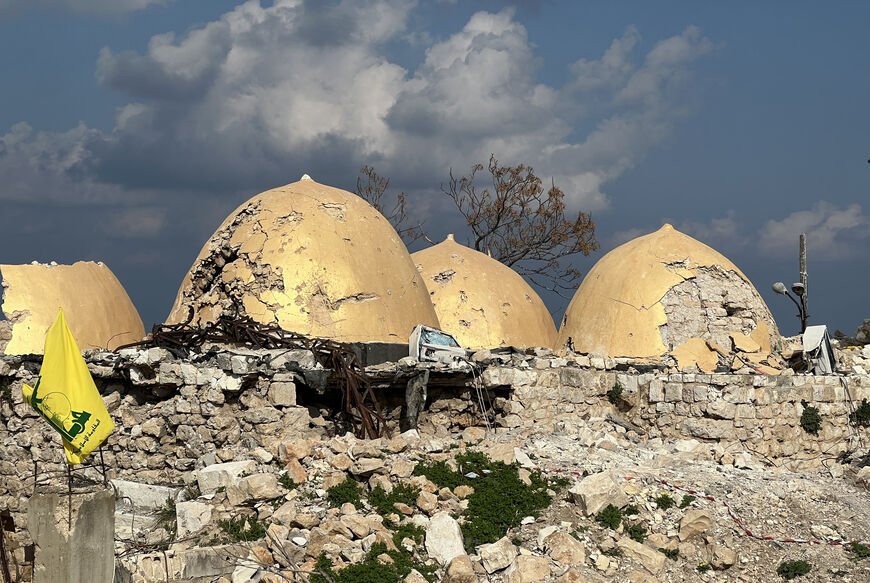
A Hezbollah flag is placed in front of the shrine of Shamoun al-Safa, built within a castle in the village of Shamaa in southern Lebanon's Tyre governorate, on Jan. 31, 2025, which was heavily damaged by Israeli bombing. (Mahmoud Zayyat/AFP via Getty Images)
Rural areas and border towns, particularly those without formal protection, have been among the hardest hit. Historic graveyards, ancestral homes, mosques, churches and shrines — some dating back centuries — have been damaged or destroyed across southern Lebanon.
Last week, Lebanon’s National News Agency (NNA) reported that Israeli military strikes destroyed a heritage house in Nabatieh al-Fawqa that was more than a century old. The house had previously been damaged in an earlier strike but was then restored due to its historical significance, according to NNA.
In Bint Jbeil, a major border town, the 400-year-old Great Mosque in the city center has been destroyed during fighting, along with extensive damage to surrounding buildings, according to reporting by Al Jazeera last week.
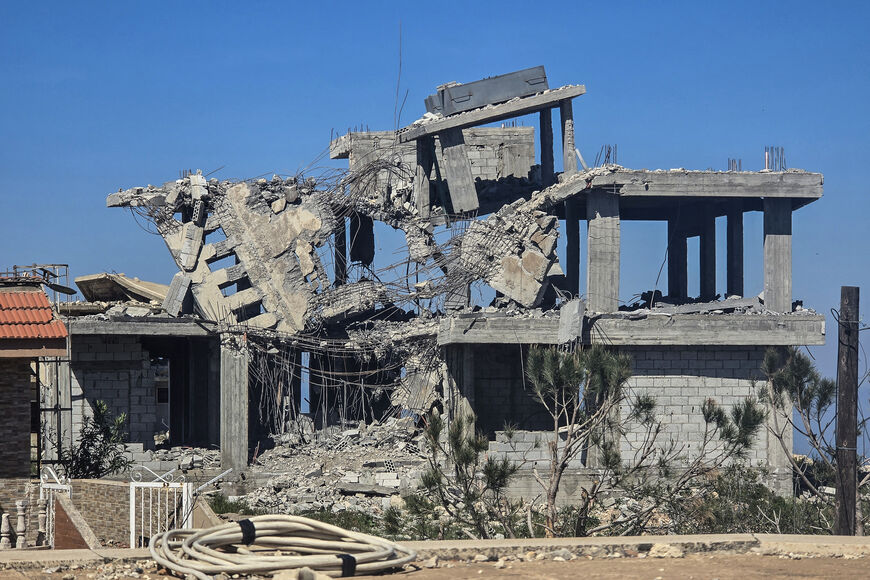
The remains of a home under construction was destroyed by the Israeli army in the southern Lebanese village of Beit Lif, in the Bint Jbeil district on April 22, 2026. (Kawnat Haju/AFP via Getty Images)
Damage has also been reported in Israel amid ongoing Hezbollah rocket attacks. On April 10, a Hezbollah rocket damaged a site in the northern Israeli city of Nahariya, which houses the remains of a roughly 1,500-year-old Byzantine-era church. The rocket reportedly hit a modern structure built to protect and display a mosaic in the church.
Israel has also experienced damage to cultural heritage sites during Iranian missile strikes. In late February, two Bauhaus-style buildings within Tel Aviv’s White City — a UNESCO World Heritage site comprising 4,000 buildings — were damaged when missiles struck the surrounding area during an attack on the city.
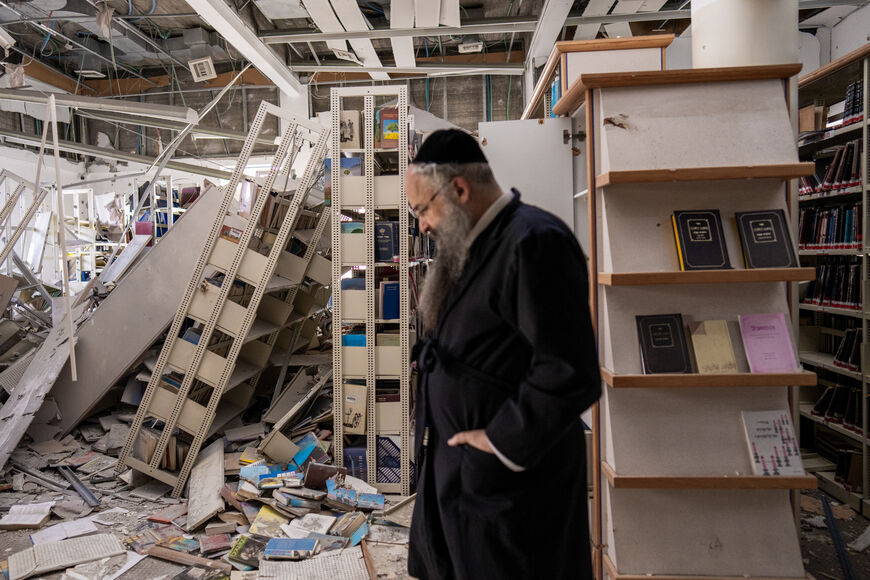
People survey the damage following an Iranian missile strike on the Beit Ya’akov girls high school on April 6, 2026, in Tel Aviv, Israel. (Erik Marmor/Getty Images)
Israel's national Habima Theater in Tel Aviv was also damaged by missile shrapnel in late February, according to Israel's Channel 12.
This one's on us.
The story doesn't end here.
Our correspondents are already on the next chapter. Read everything they file, from $2/week.
See Offers