



Trump says removing Iran’s uranium is more about optics
Trump downplays Iran uranium removal after China talks, the UAE moves to bypass Hormuz and Iraq ends months of political deadlock.
Welcome back to the Daily Briefing.
This is Ezgi Akin, filling in for Gabrielle.
In today’s edition:
- Trump: Iran uranium removal ‘more for public relations’
- UAE fast-tracks new pipeline bypassing Hormuz
- Iraqi parliament approves Zaidi’s new government
- Lebanon reopens film archive despite war
- Turkey’s outsize influence in Somalia
Thanks for reading,
Ezgi (ezgi_akin)

Trump: Removing Iran’s uranium is ‘more for public relations’
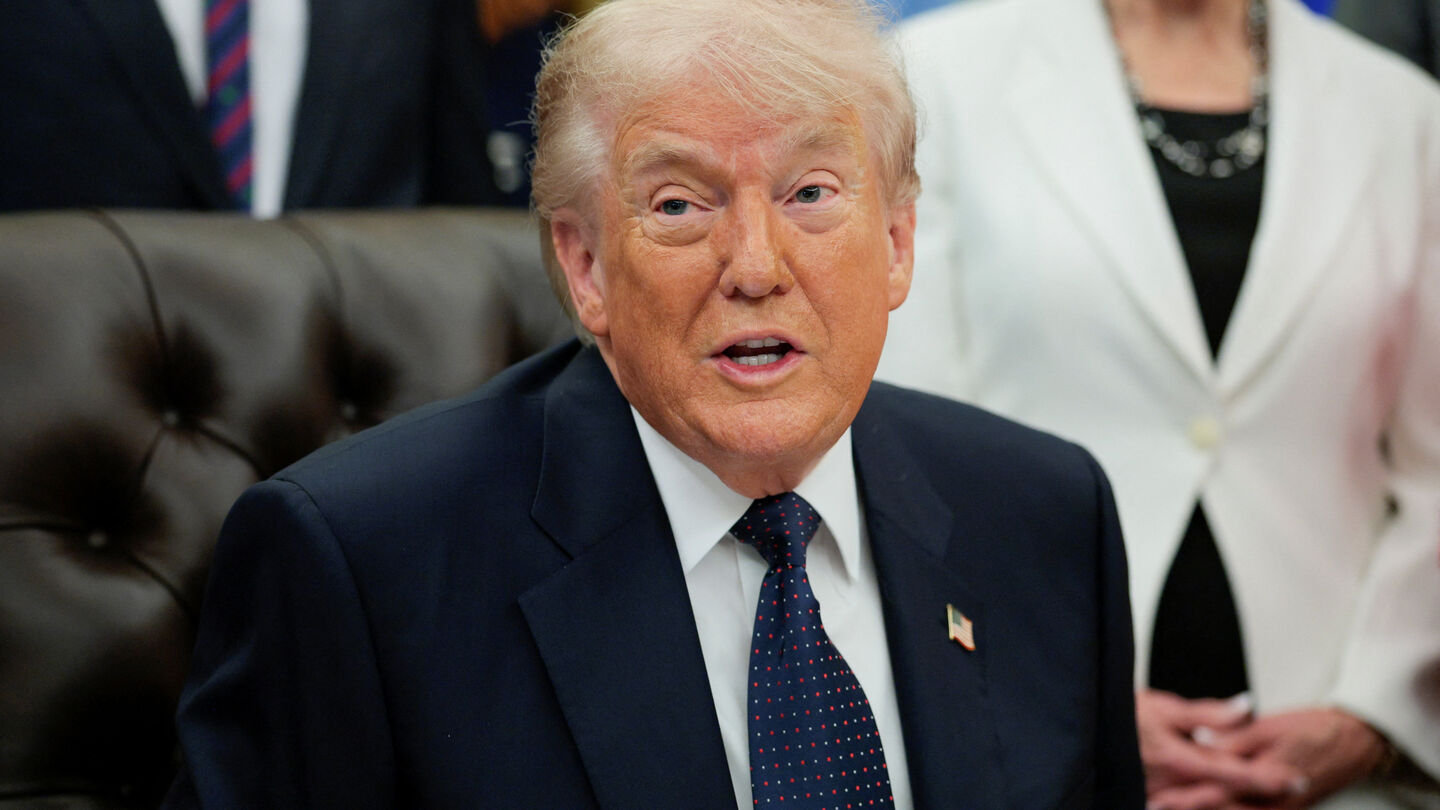
US President Donald Trump speaks during an event to sign a memorandum in the Oval Office at the White House in Washington, DC, May 5, 2026. REUTERS/Evan Vucci
US President Donald Trump left Beijing on Friday after a two-day visit and high-stakes talks with Chinese President Xi Jinping, with the Iran war looming large over the trip.
Tehran had looked to Beijing to press Trump to soften Washington’s position, but the visit yielded no visible breakthrough on the conflict.
Speaking before departing, Trump said removing Iran’s stockpile of highly enriched uranium was largely a matter of public relations.
“I just feel better if I got it, actually, but . . . I think it’s more for public relations than it is for anything else,” Trump told Fox News. “The other thing we could do is bomb it again, but I just, I would feel better getting it, and we will get it.”
Iran possesses roughly 440 kilograms of highly enriched uranium that with further enrichment could be used to develop as many as 11 nuclear weapons.
Following Trump’s departure, China’s Foreign Ministry urged a truce in the war “as soon as possible.” “There is no point in continuing this conflict, which should not have happened in the first place,” the ministry said in a statement.
Meanwhile, the number of Chinese tankers that safely transited the Strait of Hormuz increased over the past two days amid ongoing talks between Trump and Xi.
Citing an informed source, Iran’s semiofficial Fars News Agency reported on Thursday that Chinese ships began transiting the Strait of Hormuz on Wednesday night under Tehran’s “management protocol” to ensure safe passage. Roughly 45% to 50% of China’s crude oil imports transit the Strait of Hormuz, much of it sourced from Iran. Jack Dutton has the details.

UAE to fast-track construction of second oil pipeline, bypassing Hormuz
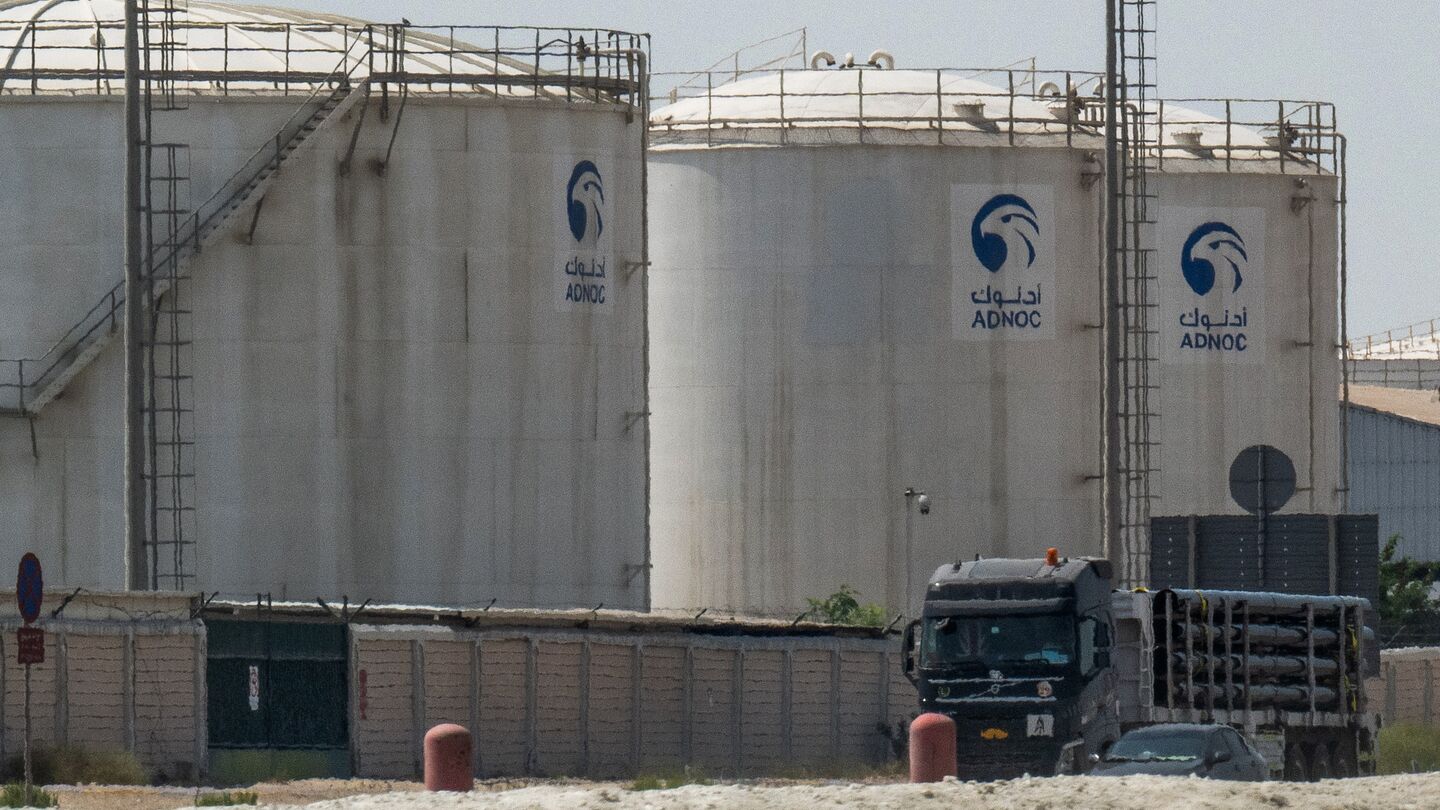
An ADNOC Gas subsidiary of the Abu Dhabi National Oil Company facility in Abu Dhabi, March 3, 2026. — Ryan Lim / AFP via Getty Images
The United Arab Emirates said Friday that it would speed construction of a new oil pipeline to double the crude export capacity of state oil giant ADNOC, as the effective blockade of the Strait of Hormuz by Iran and the United States disrupts global energy supplies.
The project, due to become operational in 2027, will create a second route carrying crude from the UAE’s western export hubs to Fujairah, the Emirates’ key port on the Gulf of Oman, allowing more shipments to bypass Hormuz, according to a statement by Abu Dhabi government media office.
The UAE already uses the 1.8-million-barrel-per-day Habshan-Fujairah pipeline, which began operating in 2012, to reduce reliance on ports in the Gulf. The route has become increasingly important since the blockade of Hormuz, the strategic gateway through which 20% of the world's oil passes. Beatrice Farhat reports the details.

Iraq parliament approves government of Prime Minister Zaidi
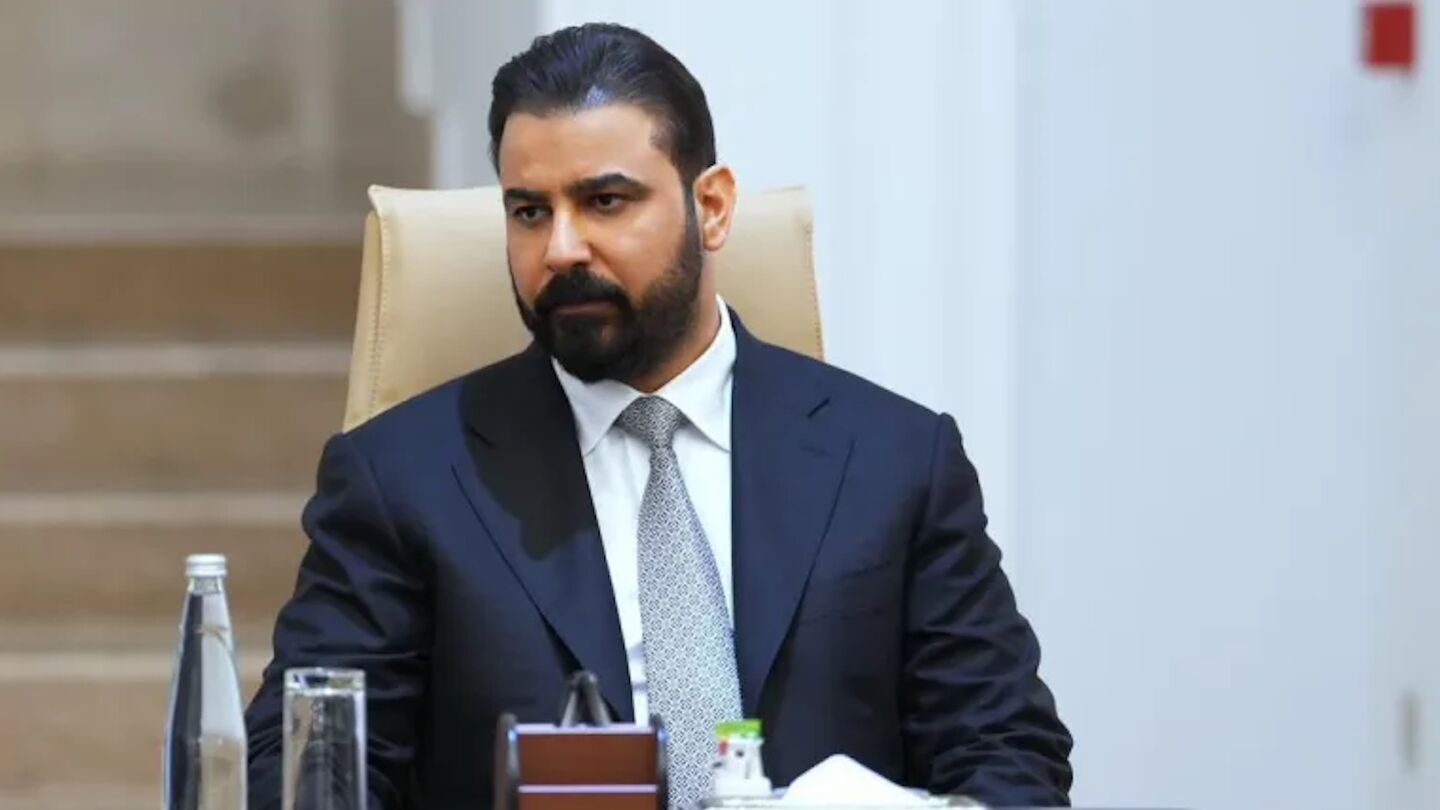
Iraqi Prime Minister-designate Ali al-Zaidi attends a meeting of the Coordination Framework political bloc in Baghdad on April 27, 2026. — Iraqi Presidency Office
Iraq’s parliament approved Prime Minister Ali al-Zaidi’s cabinet Thursday, ending months of political deadlock after elections held in November.
According to local media reports, key members of the new government include the Kurdistan Democratic Party's Fuad Hussein, staying on as foreign minister; Oil Minister Basim Mohammed Khudair, nominated by the list of outgoing Prime Minister Mohammed Shia al-Sudani; Khalid Shawani, from the Patriotic Union for Kurdistan, staying on as justice minister; and Muthanna Ali Mahdi al-Tamimi, member of the Iran-backed Badr Organization, serving as minister of water resources.
Several posts, including head of the Interior Ministry, remain unresolved. Zaidi’s government will face US pressure over the influence of Iran-backed militias in Iraq. Adam Lucente has the details.

Despite war, Lebanon reopens film archive celebrating cinematic history

Vehicles move past a giant mural on the side of a building showing an image of the late Lebanese actress and singer Sabah (1927-2014) along Beirut's Hamra street on June 20, 2024. — JOSEPH EID/AFP via Getty Images
Lebanon on Thursday reopened the Cinematheque Libanaise, a national archive dedicated to preserving the country’s cinematic history, after a nearly decade-long closure. The move offers a rare cultural highlight as the country endures almost three years of ongoing hostilities between Hezbollah and Israel.
The Cinematheque Libanaise was founded in 1999 as part of a series of cultural initiatives launched after UNESCO named Beirut that year’s Arab Cultural Capital. The archive includes a dedicated hall for cataloging films, photographs and documents related to Lebanese cinema. The Cinematheque Libanaise was shut down almost a decade ago amid endemic bureaucracy and corruption. Beatrice Farhat reports from Beirut.

PODCAST: How Turkey's outsize influence in Somalia fuels corruption, autocracy

Amberin Zaman hosts the Middle East Institute’s Gonul Tol to unpack Turkey’s policies on Somalia, where growing Turkish influence is drawing scrutiny over accusations that Ankara’s deep security and economic footprint is enabling corruption and entrenching authoritarian rule.
This one's on us.
The story doesn't end here.
Our correspondents are already on the next chapter. Read everything they file, from $2/week.
See Offers