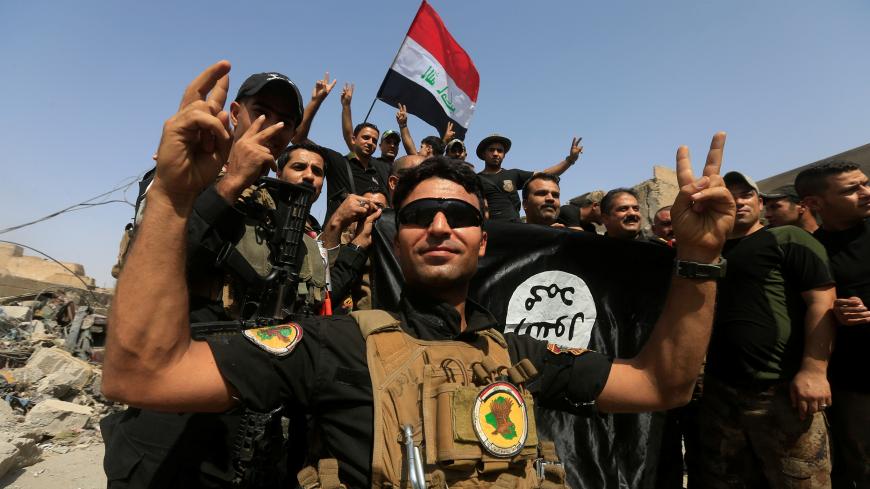
As the Islamic State (IS) conquered much of Iraq nearly five years ago, overtaking the Mosul Dam and marching within striking distance of American diplomats, Army Gen. Joseph Votel faced a nearly impossible mission.
He had just weeks to funnel elite American troops back into Iraq to help coordinate airstrikes to halt the group’s advance. But Votel, then in charge of US special operations, had little support from the White House or Congress to deploy significant American troops and firepower to the fight.
“What we knew early on is that we weren’t going to send in the 101st Airborne to retake the Mosul Dam,” said John Miller, a retired vice admiral who led US naval operations in the Middle East until 2015. “Somebody else is going to have to do that. It’s because the Iraqis don’t want the 101st Airborne, but they want their dam back.”
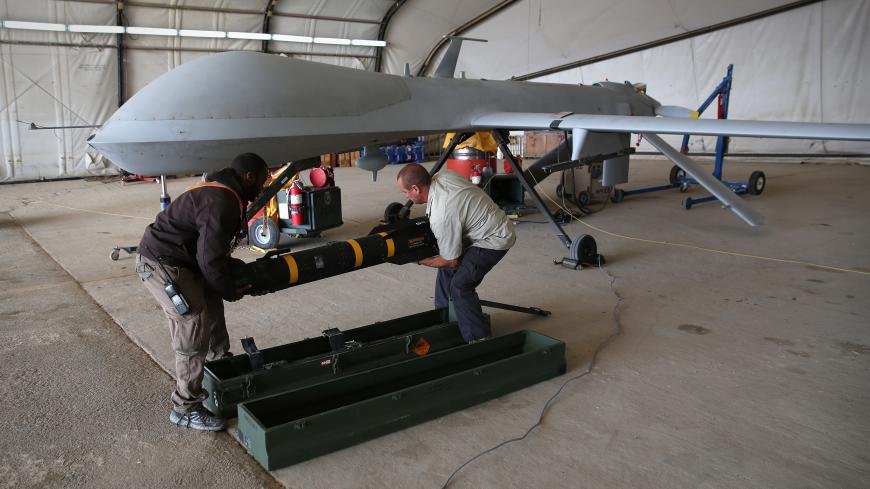
With American air bases in the region emptied out in an effort to contain Russia’s push into Ukraine, Votel’s counterparts in US Central Command strung up an adhoc intelligence and armed reconnaissance network necessary to carry out the campaign over more than 135 days of teleconferences as IS neared, storming the Turkish Consulate in Mosul in June and capturing 49 hostages.
AL-MONITOR All-Access gives you unlimited access to all our journalism, the full Daily Briefing, exclusive interviews, premium newsletters, and live events — for less than $2/week.