



Sinjar road reconnects estranged Yazidis and Kurds with Baghdad
The opening of a strategic road in Iraq's Kurdistan Region — closed since the Kurds' ill-fated independence referendum in September 2017 — could be a prelude to a reset in ties between Erbil and Baghdad.
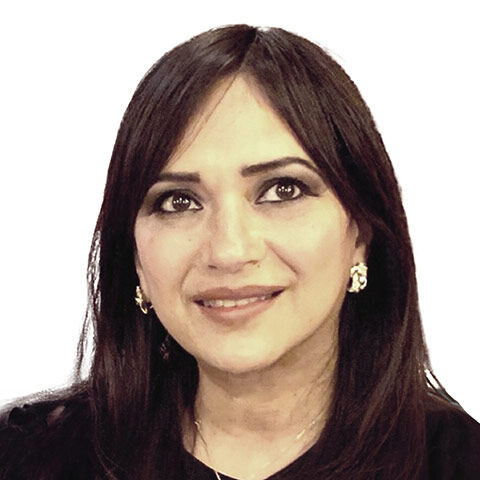

Nadia Murad, the Nobel prize laureate who has emerged as the universal face of Yazidi persecution by the Islamic State, returned to her ancestral homeland of Sinjar, Iraq, last week to celebrate a religious holiday — and how she got there was a big deal.
The globetrotting human rights activist used the Sihela road skirting the Syrian border. The strategic route had been sealed since October 2017. That is when the Iraqi army backed by Shiite militias pushed out Kurdish peshmerga forces from the area, part of a broader campaign to roll back the Kurdish presence in contested territories in the wake of the Kurds’ controversial referendum on independence.
Sinjar, Iraq’s Yazidi heartland, has long been a political football kicked around by IS, Baghdad and rival Kurdish militias as well as by Turkey for good measure.
The closure meant that Yazidis in Sinjar, who wanted to travel to Dahuk, home to their celebrated Lalesh temple and tens of thousands of other Yazidis uprooted by IS’ genocidal spree, had to spend over five hours navigating hostile terrain.


