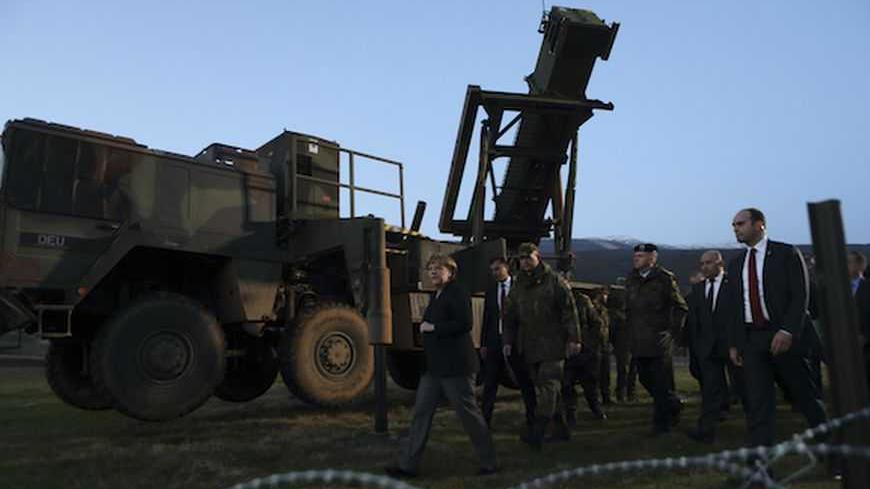
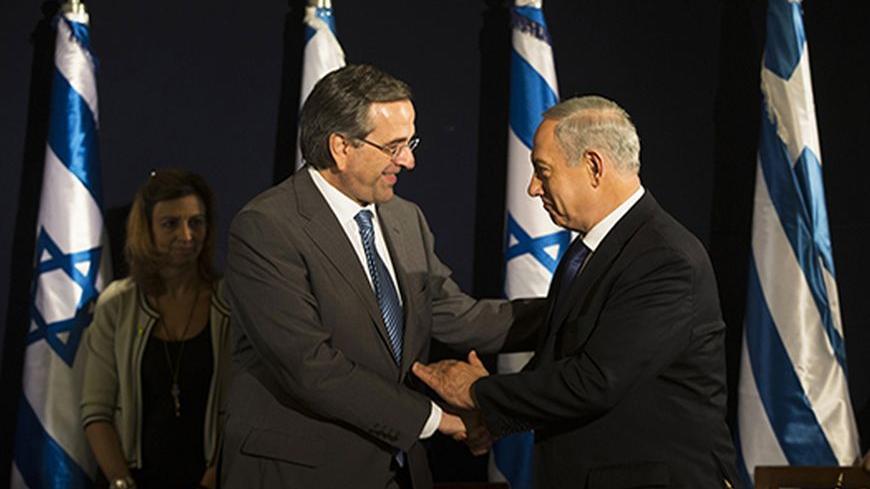
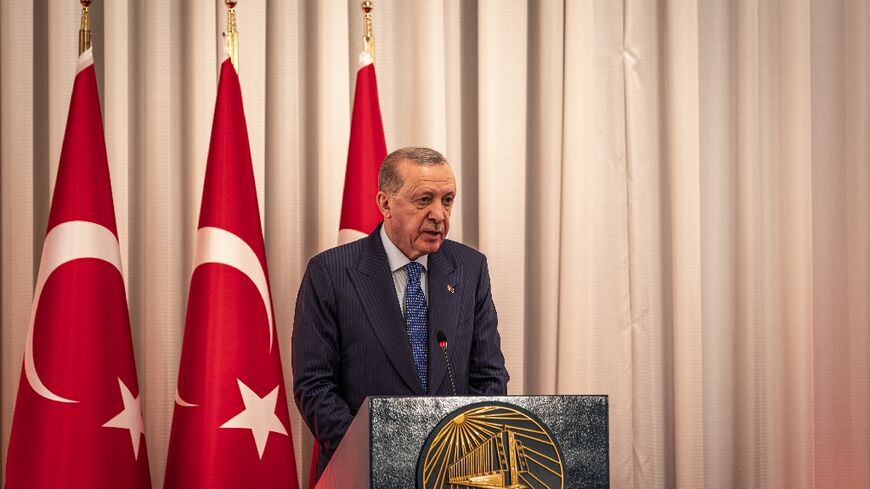
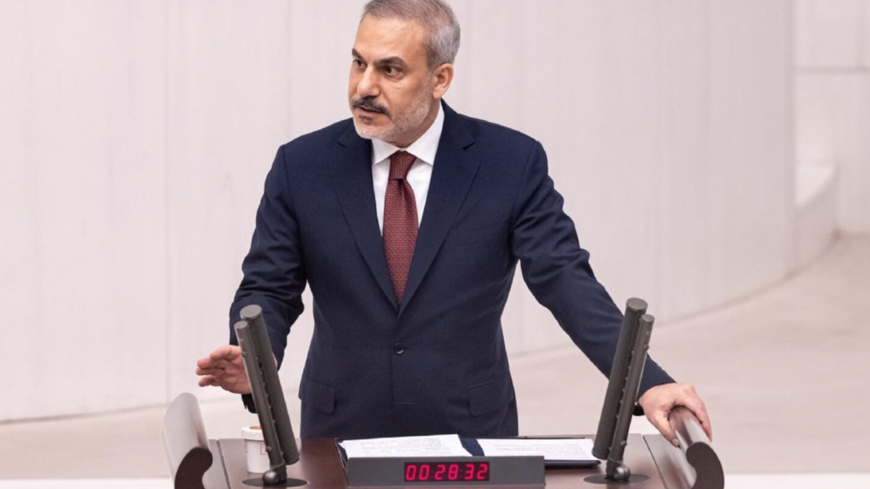
As the peace process between Israelis and Palestinians resumed in July, the question of NATO as a peacekeeping force supporting the process resurfaced in the media. The idea goes back to 2000 when the Clinton Parameters recommended the deployment of an International force to “monitor the implementation of the agreement between both sides.” Along these lines, observers assumed that NATO would be the designated force and began debating its relevance.
The argument elicited lukewarm reactions among the transatlantic allies who feared such mission could turn into a protracted quagmire. Their caution led former NATO Secretary-General Jaap de Hoop Scheffer in 2009 to articulate three fundamental preconditions before deciding on an alliance contribution. These so-called three big ifs are a comprehensive peace agreement between Israel and the Palestinians; requests by both parties for NATO to help them with the implementation of their agreement; and UN endorsement of NATO’s involvement.
Anders Fogh Rasmussen, NATO's current secretary-general, emphasized during a conference in Israel in 2011, “Of course, at the moment, these three ifs are far from being met.” Since then, NATO officials, in their exchanges with Middle Eastern partners, have been constantly referencing these three conditions to avoid misunderstandings and false expectations about any possible alliance engagement in the region. Leaving aside NATO’s legitimate policy of restraint and the probability of the three big ifs being met, it may be time to renew the discussion on the alliance’s potential for a supporting role.
During the last decade, NATO has built strong ties at the military-to-military level with Middle Eastern partners under the auspices of the Mediterranean Dialogue and the Istanbul Cooperation Initiative. It regularly conducts joint exercises and consultations on defense reform, training and capacity building with its counterparts in Cairo, Amman and Tel Aviv. It is largely ignored, but while the peace process was stalled, Arab and Israeli officials continued to gather for NATO Middle Eastern cooperation courses.
AL-MONITOR All-Access gives you unlimited access to all our journalism, the full Daily Briefing, exclusive interviews, premium newsletters, and live events — for less than $2/week.