Zaidi to meet Erdogan as Turkey-Iraq ties take off, Kurds feel sidelined
The Iraqi prime minister's visits to Ankara and Riyadh underscore Baghdad's push to deepen regional ties as Turkey seeks closer cooperation on energy and security.


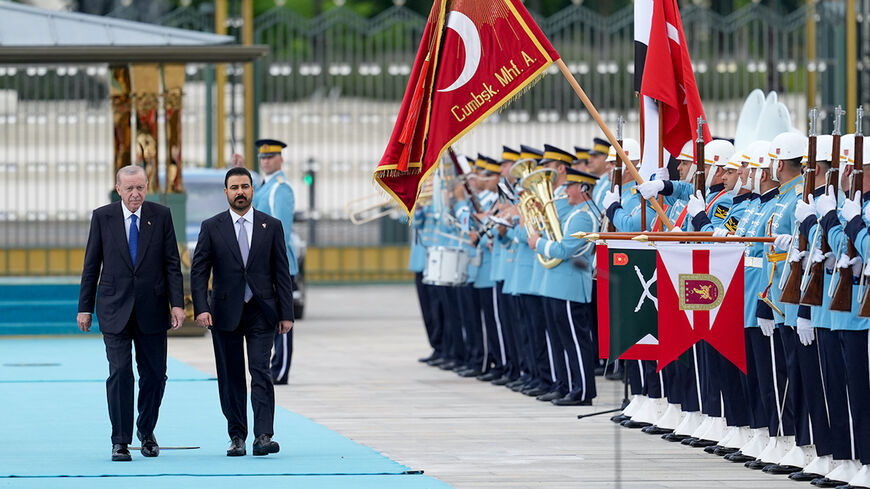
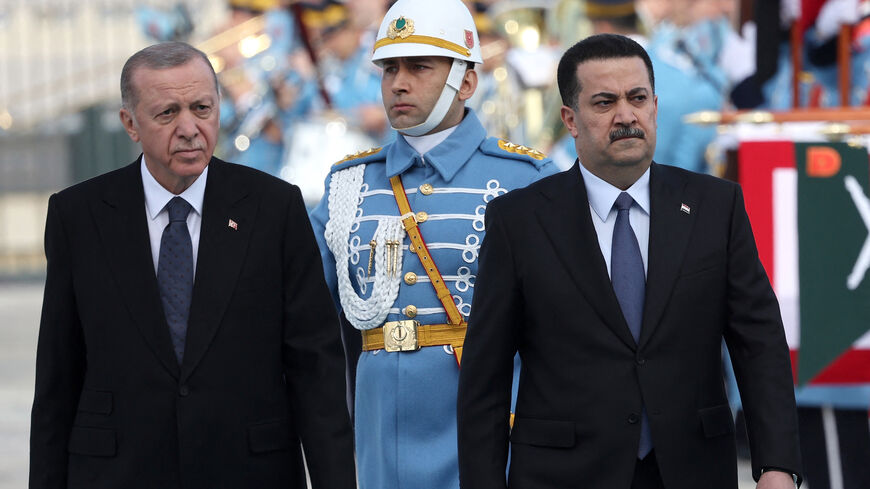
Iraqi Prime Minister Ali al-Zaidi is due to travel to Turkey on Tuesday where he will meet with Turkish President Recep Tayyip Erdogan. Coming on the heels of his first formal foreign trips — first to the United States, then Iran — Zaidi’s visit is meant to emphasize the ever-deepening ties between Ankara and Baghdad.
The top agenda items will be water, energy, trade and security cooperation, diplomatic sources speaking on background told Al-Monitor.
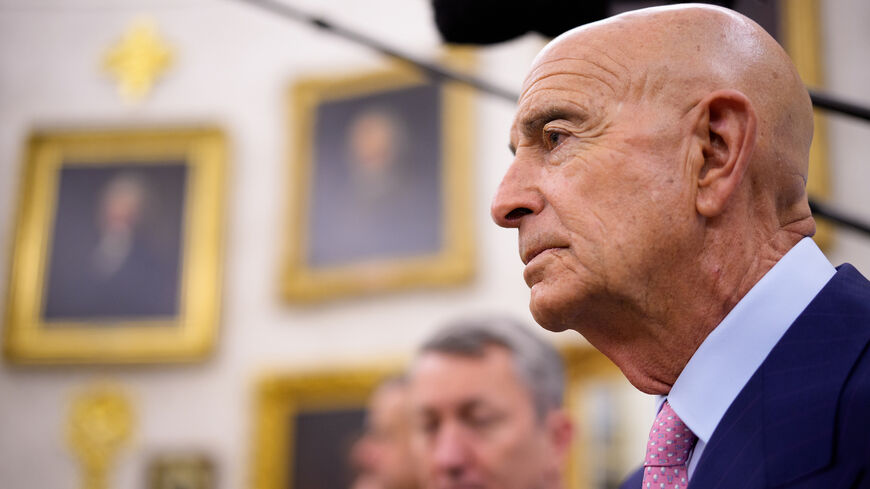
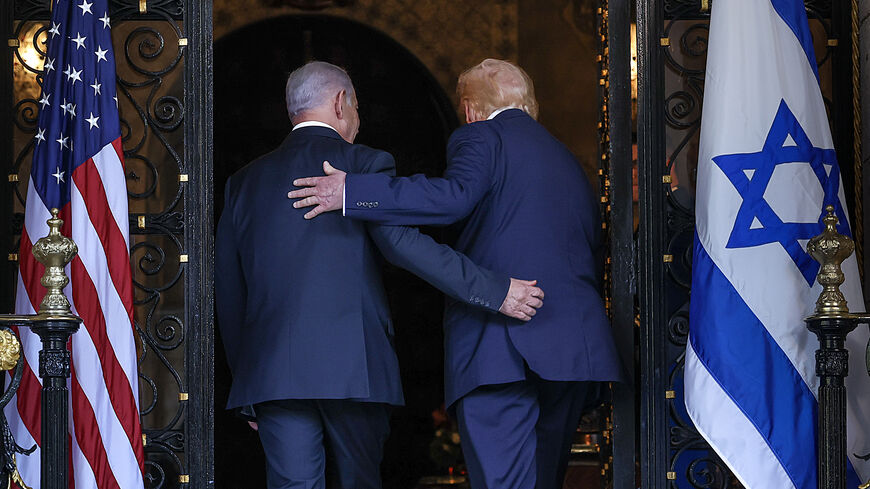
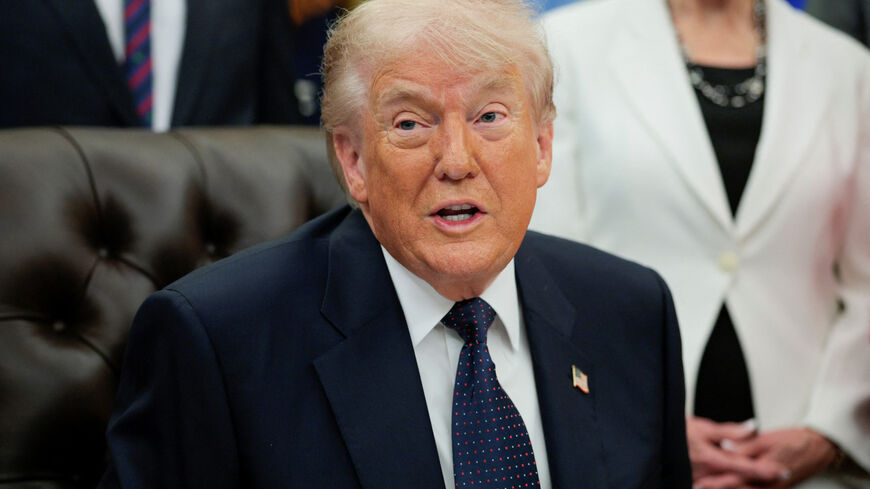
The rapprochement is being encouraged by the Trump administration but, as viewed from Erbil, comes at the Kurds’ expense. Tom Barrack, the US ambassador to Ankara who also serves as the president’s special envoy to Syria and Iraq, is advocating stronger economic and security ties between the three neighbors. “Strengthened economic and diplomatic ties between the three countries align with Barrack’s vision to establish a trade and investment corridor and to center US policy around commerce,” Victoria Taylor, the State Department’s former deputy assistant secretary for Iran and Iraq and director of the Iraq Initiative and the Syria Project at the Atlantic Council, told Al-Monitor.
That vision extends beyond the Levant to the Gulf, as part of a broader effort to balance Iran’s outsized regional influence. It also chimes with Turkey’s much-touted Development Road project, a multibillion-dollar scheme that would connect Iraq’s Grand Faw Port on the Arabian Gulf — currently under construction — to Europe via Turkey.
Iraq's balancing act
The Iraqi premier is expected to travel to Saudi Arabia on Thursday. The trip comes amid heightened tensions sparked by sustained attacks by Iran-backed Shiite militias on the kingdom since the start of the Iran conflict in February. Saudi defense officials said on Monday they had intercepted and destroyed a number of drones targeting oil facilities in the Eastern Province and Riyadh.
Zaidi’s visit to Ankara and Riyadh can be interpreted as part of an overall dual diplomatic strategy to revive Iraq’s regional ties while also strengthening his political position at home, said Ramzy Mardini, founder of Geopol Labs, a geopolitical risk and strategic advisory firm based in the Middle East. “This reflects typical playbook moves for new premiers, but this time Iraq is in a very vulnerable state fiscally, and it’s forcing a certain sense of urgency from its new leadership,” Mardini told Al-Monitor.
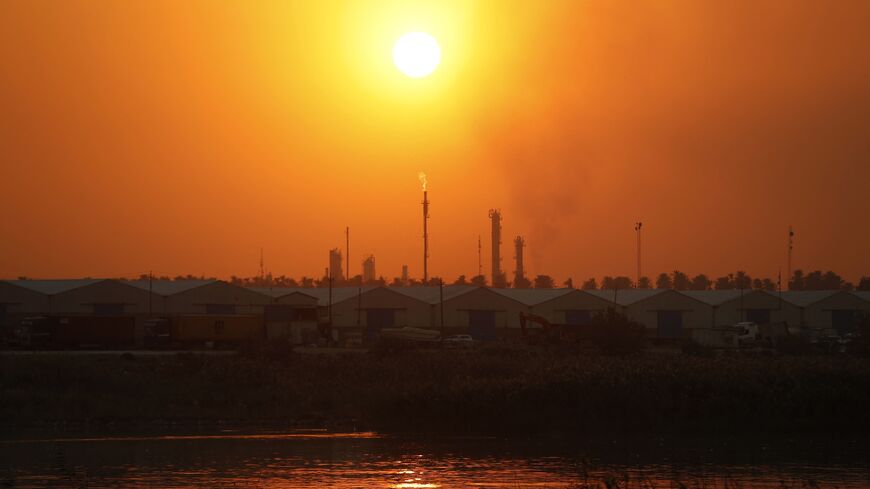
Iraq’s efforts to diversify export routes for its oil amid the ongoing standoff between the United States and Iran over the Strait of Hormuz have added special urgency to its ties with Turkey. This includes restoring a dual pipeline running from Iraq’s Kirkuk oil fields to export terminals at Turkey’s southern Mediterranean port of Ceyhan to full capacity. Exports from the pipeline resumed in March 2026, with around 170,000 barrels pumped per day. Volume is expected to increase to as much as 350,000 barrels per day as a result of rehabilitation work, Iraq’s North Oil Company announced last week.
The pipeline has an estimated maximum capacity of 1.5 million barrels per day. A bilateral pipeline agreement that expired on Monday has been informally extended for the time being. However, Ankara wants a revised deal that would allow Turkish companies to develop the Kirkuk fields and for the oil to be refined and sold in Turkey as well.
Ankara is also pressing Baghdad to scrap an approximately $1.5 billion fine that was imposed on Turkey in 2023 by an international arbitration court for allowing Iraq’s Kurds to export their oil independently of the federal government via a purpose-built pipeline that began operating in 2014.
In July, the Paris-based court dismissed Turkey’s challenge to the ruling, leaving the fine intact and a second fine pending.
Meanwhile, Turkey is eyeing Iraq’s vast natural gas reserves. A pipeline running from Iraq to Turkey and on to Europe would be one of the pillars of the Development Road project.
Kurds' fading fortunes
Iraq’s Kurds are feeling increasingly sidelined as the horse-trading continues and the contours of a new agreement begin to emerge. Iraqi officials say the Kurds wrote themselves out of the script when their regional government failed to respond to Turkish requests to clarify a strategy, even as the federal government continues to chip away at Erbil’s autonomy. Iraqi Kurds fear that Barrack may encourage those moves. The envoy has repeatedly aired his preference for strong centralized rule, saying at numerous public events that federalism and other forms of local government do not work in the Middle East.
The sustained rivalry between Iraqi Kurdistan’s two ruling parties — the Kurdistan Democratic Party, which is the lead partner in the Kurdistan Regional Government, and the Patriotic Union of Kurdistan — has shaped the region’s politics. The KDP maintained the upper hand in part through its preferred ally status with Turkey, which was reinforced by the purpose-built pipeline on the one hand and the presence of Kurdistan Workers Party (PKK) guerrillas in the territories under its control on the other.
That leverage has been upended as Turkey is in the final stages of a deal with the PKK that would effectively end the latter’s 40-year-long armed fight against the Turkish state for Kurdish autonomy. Turkey's relations with the PUK and Baghdad have improved in parallel, with both showing greater willingness to cooperate with Ankara on the PKK file. Long one of Ankara’s top bugbears because of his support for the PKK and the Kurdish-led Syrian Democratic Forces in Syria, the PUK leader, Bafel Talabani, “is now running circles around the KDP,” a regional official told Al-Monitor.
For the PUK, support for the PKK burnished its credentials among its own base while helping to counterbalance KDP dominance over the Kurdistan Region.
Until recently, successive Iraqi governments also viewed the PKK as something of a lever against Ankara to be used, in particular, to extract more water from the Euphrates and Tigris rivers, both of which rise in Turkey.
The decades-long dispute over water sharing between Turkey and its downstream neighbors, Syria and Iraq, was triggered by the construction of massive dams in southeastern Turkey that began in the 1980s and dam-building continues to this day.
Iraq and Syria rely heavily on the rivers for agricultural and industrial production as well as for drinking water. Rising temperatures and prolonged droughts triggered by climate change have heightened their dependence on Turkey.
However, Hamas’ Oct. 7, 2023, assault on Israel and Donald Trump’s return to the White House in January 2025 have dramatically altered regional balances, with actors such as Turkey and Iraq forced to reassess their respective postures in an increasingly unpredictable environment.
“Iraq’s strategic geography provides an alternative corridor for regional energy flows toward Syria, Turkey and Jordan, while its close relationship with Iran lowers the risk of becoming a direct Iranian target in this conflict,” Mardini said. “Long viewed as its greatest liability, Iraq’s regional battleground status may paradoxically be emerging as one of its greatest geopolitical advantages."