



What Barrack’s expanded role in Syria, Iraq signals for US policy
The expansion of Ambassador Tom Barrack’s mandate to include Iraq along with his continued roles in Turkey and Syria will likely be welcomed in Ankara, where he has played a key role in advancing US-Turkish ties.
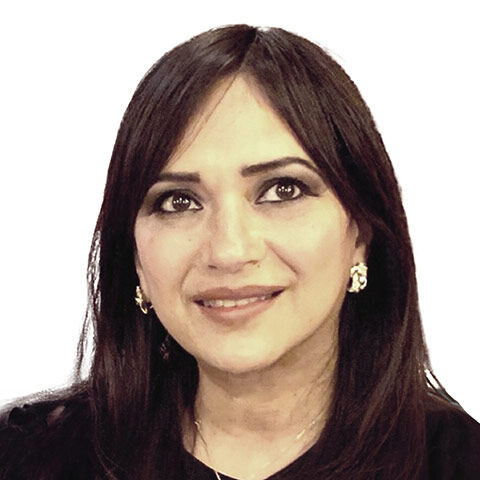

Tom Barrack, the US ambassador to Turkey and envoy to Syria, saw his mandate formally expanded to include Iraq on Sunday. In a post on Truth Social, President Donald Trump said he was “pleased to announce” that Barrack — a multimillionaire businessman and close friend — had been appointed “Special Presidential Envoy to Syria and, likewise, to Iraq.” Trump confirmed that Barrack would remain ambassador to Turkey, where he would “operate with the full backing” of the State Department.
In so doing, Trump put the kibosh on fevered speculation that Barrack had been downgraded.
I am humbled to serve @POTUS Donald J. Trump, who has accomplished what no predecessor could achieve in the Middle East. When he speaks, they listen — friends and foes alike; the program is no longer defined by the West for the West, but by the region for the region. His… pic.twitter.com/X8pZDQIOgx
— Ambassador Tom Barrack (@USAMBTurkiye) June 1, 2026
Claims that Barrack was on the outs were triggered by an earlier social media post from Secretary of State Marco Rubio. Barrack’s term as special envoy to Syria was “expiring,” Rubio said, but he would “continue to play a leading role for the Trump Administration in both Syria and Iraq.”
Coming amid reports that the administration is getting ready to name a resident ambassador in Damascus, his rumored impending departure was greeted with jubilation among numerous Kurdish commentators. Many revile Barrack for what they perceive as his overt support for Turkey’s policy of quashing Kurdish rights within its own borders and in neighboring Syria. His repeated assertions that federalism and autonomy do not work in the Middle East, coupled with his unabashed support for Syria’s interim president, Ahmed al-Sharaa, who espouses the same view, have made him a bete noire for the Kurds. In truth, though, successive administrations have told the Syrian Kurds that their partnership with the Pentagon to combat the Islamic State was "temporary, transactional and tactical" and that US forces in the Kurdish-controlled northeast would eventually withdraw, as they have.


