



Can Jordan stop Israeli annexation?
The next two months will be politically fraught if the Israeli coalition agreement allows a vote on annexation, but how much can Jordan do?
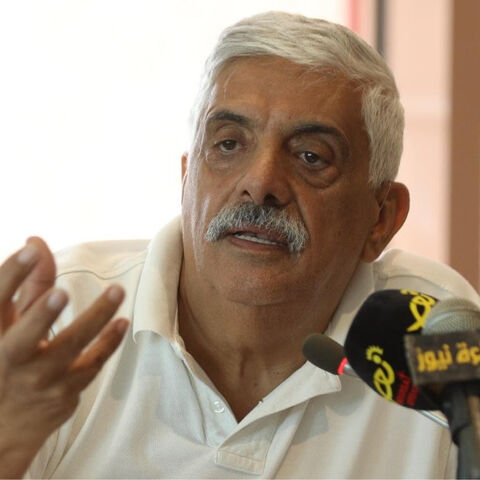

Shortly after Israel’s Prime Minister Benjamin Netanyahu broached the idea of annexing the Jordan Valley and the area north of the Dead Sea, Jordan’s Foreign Minister Ayman Safadi called for a briefing of local journalists and columnists. The weekend meeting on Sept. 14, 2019, which lasted nearly two hours, was hurriedly called to make sure everyone understood where Jordan stood on the controversial annexation plan. Safadi's most memorable statement was when he talked about Jordanian and Israeli borders. He told those invited to the briefing that whenever borders are drawn, they are set for a long time. Safadi went on to explain that Jordan was very forthcoming when it agreed to the borders with Israel north and south of the Jordan River and Dead Sea with the clear understanding that the Jordan River will be the border with the state of Palestine. Therefore, any change in this arrangement that will alter the borders will put the entire Israeli-Jordanian agreement in jeopardy, he concluded.
At the time, Jordanian officials including the king argued that the idea of annexation — or as Israel calls it, extending sovereignty — was mere electioneering. The agreement with Blue and White leader Benny Gantz, however, has shown otherwise and has once again put Jordan in the position of having to decide whether the strong opposition to the annexation will result in the abrogation or the suspension of its peace treaty with Israel.
The Israeli coalition agreement signed April 20 stipulated the need for approval by the Donald Trump administration and that the annexation not affect regional peace or result in the cancellation of Israel's peace treaties with its neighbors.
Adnan Abu Odeh, a veteran Jordanian analyst and former adviser to King Hussein and King Abdullah, told Al-Monitor that in order to send a clear message, the Jordanian, Egyptian and Palestinian leaders should meet soon. “There has to be a public meeting that includes the king, President [Abdel Fattah] al-Sisi and President [Mahmoud] Abbas. People, especially in Israel, need to see that the opposition to annexation is not lip service.”


