



Intel: Why Russia is calling for rethinking Gulf security
On Tuesday, Russia’s presidential envoy for the Middle East and African countries and Deputy Foreign Minister Mikhail Bogdanov laid out Russia’s proposal for collective security in the Persian Gulf.
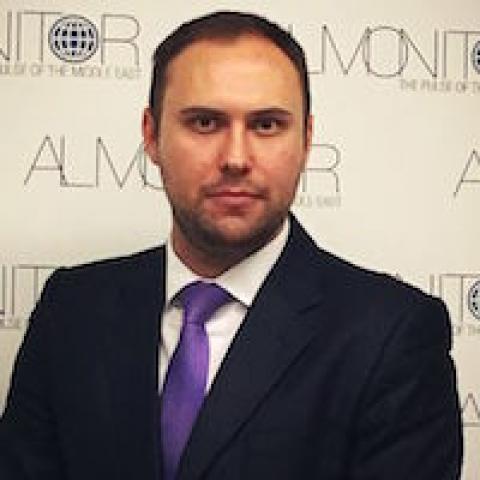

On Tuesday, Russia’s presidential envoy for the Middle East and African countries and Deputy Foreign Minister Mikhail Bogdanov laid out Russia’s proposal for collective security in the Persian Gulf.
The document presents Russia’s vision toward security problems facing the subregion and offers a number of policies that may help mitigate its rich conflict potential and settle current crises.
Why it matters: Moscow is presenting this vision for the Gulf at a time of spiraling escalation between Iran and the United States and its regional allies. None of the ideas laid out in the plan are new — they’ve all been voiced by Russian diplomats and other officials for years now. But they have all been put together in a unified document now, when things in the region seem to be going from bad to worse and the parties involved appear to be more focused on finding ways for effective mutual deterrence, if not containment, rather than ways to defuse the situation through diplomacy and other political mechanisms.
The current track, the thinking behind the strategy suggests, runs serious risk of leading to a military conflict, albeit an unintended one. The Russian proposal may not necessarily produce peace in the region, but it may give those seeking war a chance to see that not all political options have been fully explored. At the same time, it will provide those who fear war a chance to jump on the Russian bandwagon, and those who don’t necessarily want war but went too far to pull back a face-saving opportunity.


