



EU leadership divided over settlements
According to Israeli Knesset Speaker Yuli Edelstein, the president of the European Parliament opposes labeling settlement products, despite the official EU position.
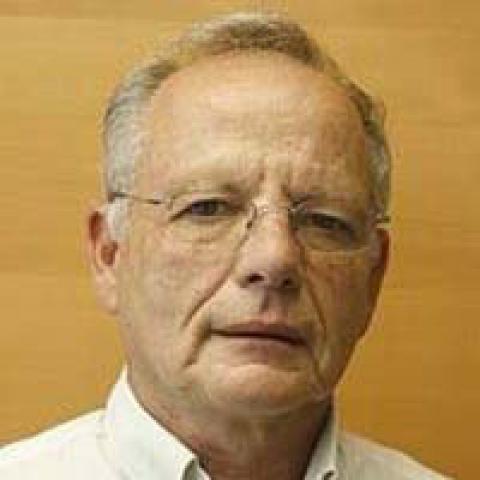

The dispute over the settlements, for years a divisive issue in Israeli politics, has recently penetrated into the heart of European politics, too. There’s growing anger in the European Parliament against President Martin Shultz, who has apparently adopted the position of the Israeli right regarding an economic project in the occupied territories.
Twenty-six members of the parliament from different factions are demanding that Schulz clarify the meaning of a Jan. 14 Facebook post by Knesset Speaker Yuli Edelstein: “I was pleased to hear today from European Parliament President Martin Schulz, with whom I met in Berlin, that he opposes the labeling of products from Israel.” Despite his choice of words (products from Israel, not products from West Bank settlements), it’s safe to assume that the Knesset speaker, who himself lives across the Green Line, knows that the labeling pertains only to products made in the settlements, which are not recognized internationally as part of the State of Israel.
The meeting between the two parliamentary leaders took place five days before EU foreign ministers approved a resolution stating that all agreements between the union and Israel do not apply across the Green Line. As in the decision to label settlement products, the ministers were careful to make clear that the resolution does not constitute a boycott; it simply provides European consumers with information about the provenance of products they want to buy.
According to Edelstein’s comments, Schulz agreed with him that those who would be most affected by the labeling of settlement products marketed in EU member states would be Palestinian workers. The Knesset speaker wrote in the same post that he had told his European colleague, “Israel will survive the product labeling! Not so the thousands of Palestinian families of those who work shoulder-to-shoulder with their Jewish friends and conduct coexistence there. This will hurt their economy and families and will also destroy the seeds of peace in those employment areas.”


