



Brahimi Talks Syria in Iran
Lakhdar Brahimi, UN-Arab League joint representative, tries to enlist Iranian help in the Geneva II conference on Syria.
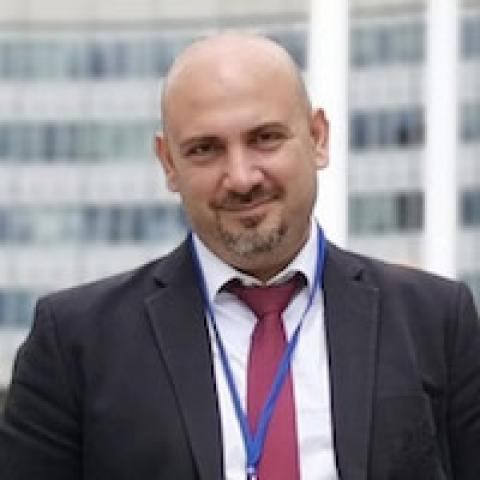

TEHRAN, Iran — For months now, the Geneva II conference on Syria is the "talk of the town" in every city where Syria is seen as a priority, including Tehran. Iran is one of the main regional players in Syria, which during 2½ years of crisis has played a vital role in keeping the regime in Damascus alive, not only from the position of an ally and friend but because of serious concerns that a fall of the Assad regime will seriously affect Iranian national security.
There is no solution on the horizon. With bullets and blood drawing the portrait of a new Syria, the rebels believe that pressure will uproot the regime. While the regime and its few allies — mainly Russia and Iran — push for a political solution, UN Special Envoy to Syria Lakhdar Brahimi visited Tehran on Oct. 26 to discuss with Iranian officials the Syrian crisis in general and the conference in particular. Brahimi met with Iranian President Hassan Rouhani, National Security Council (NSC) Secretary Ali Shamkhani and Foreign Minister Mohammad Javad Zarif.
So what happened behind closed doors in Tehran?
According to Iranian sources, Brahimi — on behalf of the United States and other countries — proposed that Assad only be a figurehead in a transitional government, with full power going to opposition parties. Iran rejected this formula, arguing that Assad should be part of the solution and that elections should determine the composition of the next Syrian government with no conditions on whether Assad participates or not.


