Turkish air force officers once described the Joint Strike Fighter Program as a project that would “usher the Turkish air force into space.” Has this ambitious venture ended for good, now that the United States has booted Turkey from the F-35 program over its purchase of Russian air defense systems?
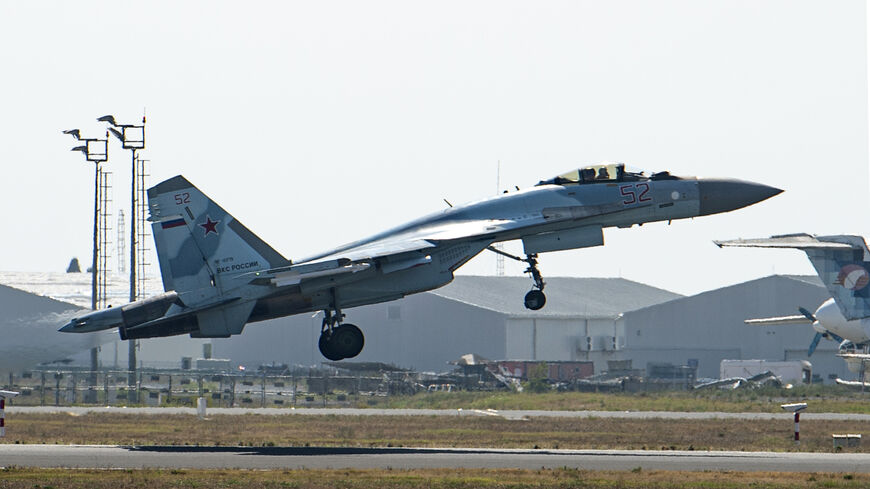
The White House announced on July 17 that Turkey’s purchase of the S-400 systems rendered its “continued involvement with the F-35 impossible.” Turkey has been both a buyer and co-producer in the program. Ellen Lord, the US undersecretary of defense for acquisition and sustainment, told reporters that Turkish pilots and mechanics currently in the United States for training had been told to leave by the end of July and that the process of suspending Turkey would be completed by March 2020. Lord declined to comment on whether the suspension is reversible. Ankara believes it could reverse the move — with the help of President Donald Trump.
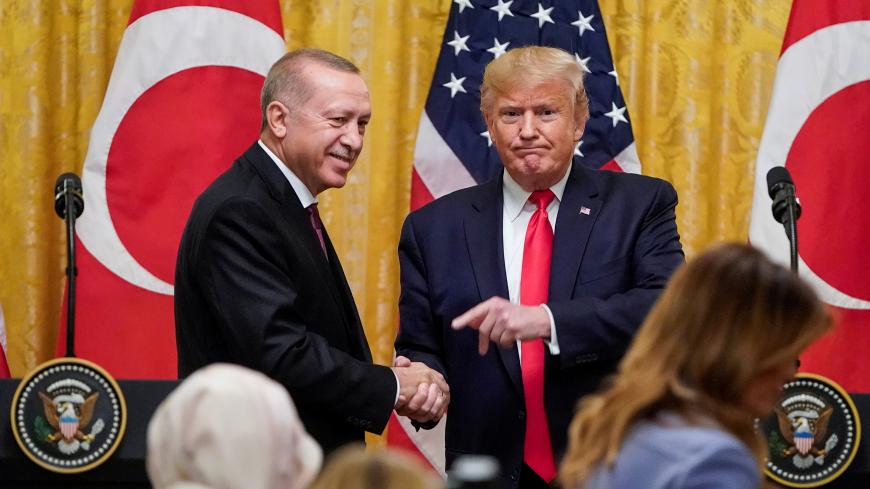
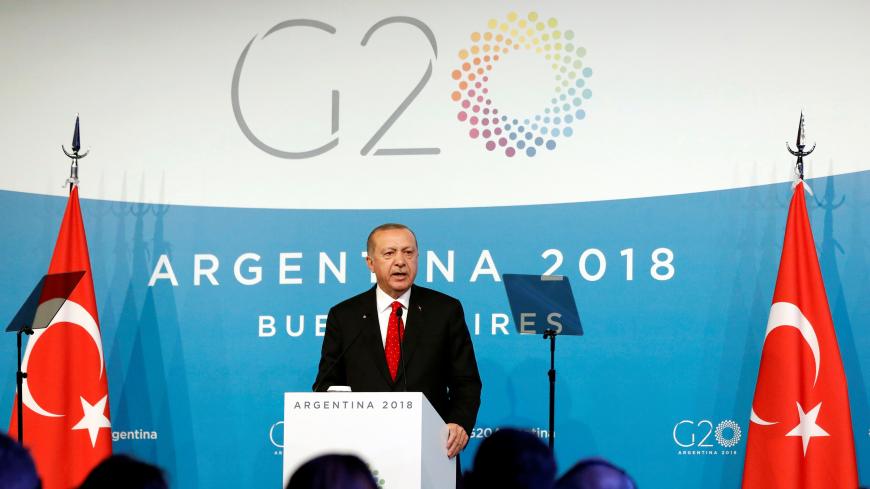
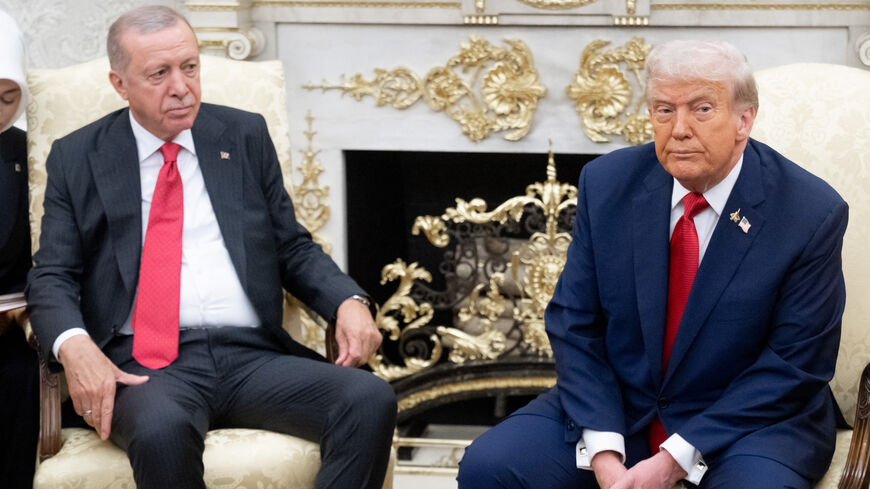
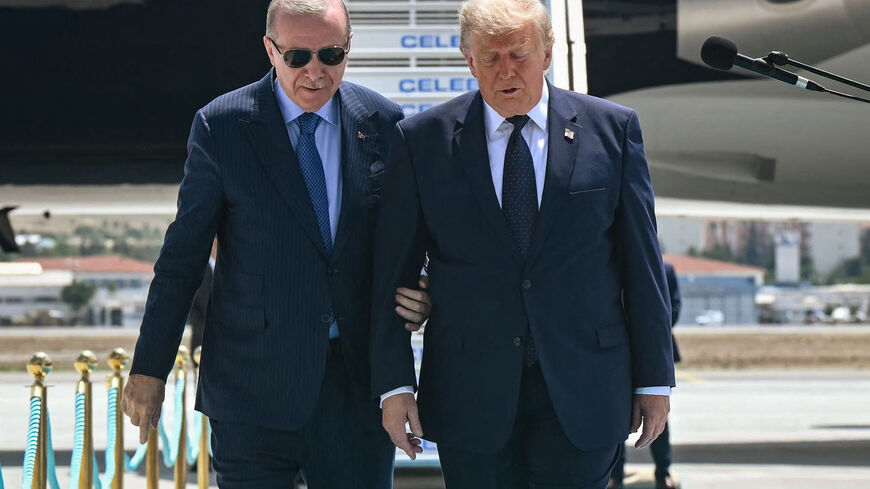
Turkey’s presidential spokesman protested that Washington’s decision was “inconsistent with previous statements by the two countries’ presidents.” The Foreign Ministry, for its part, stressed, “It is of great importance to maintain the understanding reached at the meeting between President [Recep Tayyip] Erdogan and President Trump” during the Osaka G-20 summit. Erdogan had claimed after the June 29 meeting that Trump had reassured him that Ankara would not face sanctions over its acquisition of the S-400s.
Ankara’s reactions suggest that it did not expect the suspension after all and is resentful that the anticipated support from Trump did not materialize, but nevertheless continues to count on the US president.
AL-MONITOR All-Access gives you unlimited access to all our journalism, the full Daily Briefing, exclusive interviews, premium newsletters, and live events — for less than $2/week.