During the Moammar Gadhafi era in Libya, the regime was intolerable of any opposition, political parties were illegal and free press did not exist. Many Libyans who opposed the regime left the country and lived abroad. Many settled in the United States and Europe, mostly as political refugees. As the years passed, many of them gained the citizenships of their host countries.
However, in the late 1990s, as the country was opening up and relations with the West were improving, many such individuals returned to Libya — except the high-profile opposition leaders who were afraid to come back to Libya. After the regime was overthrown with NATO help in October 2011, most of the opposition leaders came back to the country and held high-ranking positions, including prime minister, speaker of parliament and even directors of the security apparatus in the new Libya.
However, no one seemed to pay attention to the fact that Libya’s Law No. 24 of 2010 stating that any Libyan who gains another citizenship without written permission from the minister of interior at the time automatically loses his Libyan citizenship and his right to hold public office, either elected or otherwise. The law is still applicable and has not yet been annulled.
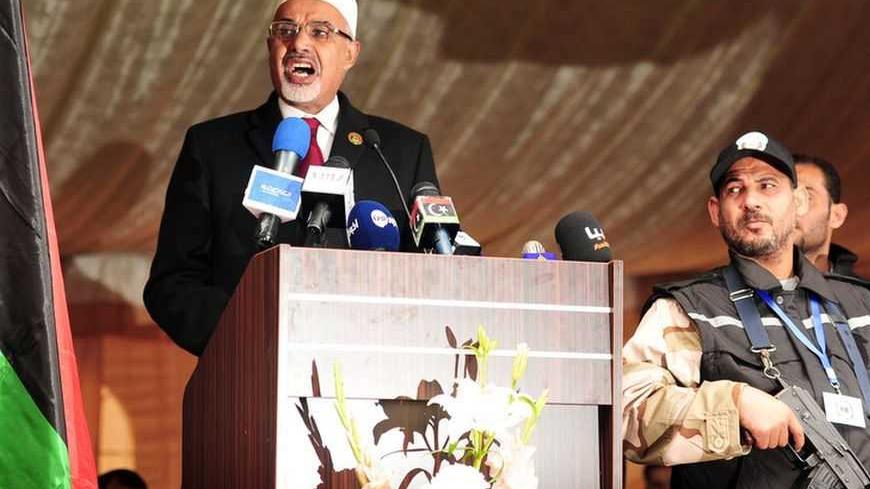
In the euphoria of deposing the regime and the high hope of freedoms in the new Libya of 2011-12, no one seemed to care about the law. The Constitutional Assembly was elected on Feb. 20, 2014, to draft a new constitution, and many former exiles were elected to its chamber. One of them is Libyan-American Ali al-Tarhouni who became the head of the new body.
AL-MONITOR All-Access gives you unlimited access to all our journalism, the full Daily Briefing, exclusive interviews, premium newsletters, and live events — for less than $2/week.