Putin puts Trump ahead of Iran in bid to mediate war
Anton Mardosov, reporting from Moscow, and our correspondent in Tehran assess the limits of Russian influence in Iran; Ben Caspit reports that Netanyahu could force a unity government with an attack on Iran after the elections.


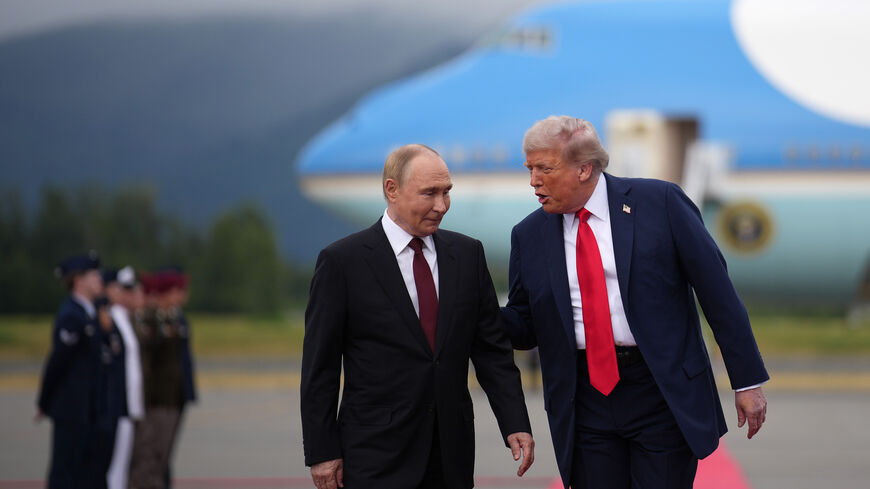
Russian President Vladimir Putin would like to help mediate an end to the conflict between Washington and Tehran, but he’s not getting any takers.
Prior to Russia’s invasion of Ukraine in 2022, Putin and his emissaries were well received, and respected as players on the global stage, throughout the region. Russia’s status and influence have since plunged, even more so after the 2024 overthrow of Syrian President Bashar al-Assad, who took asylum in Russia. These days, hamstrung by war and sanctions, Putin has little to offer the Middle East, including as a mediator in the current conflict.
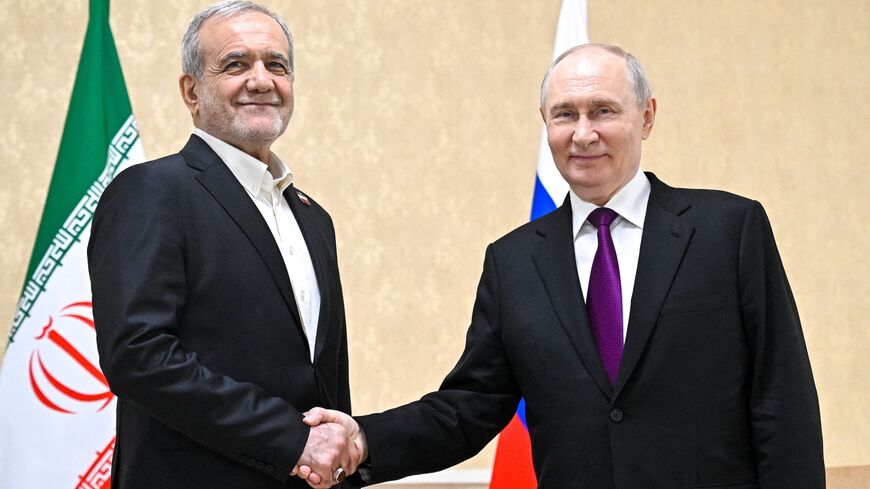
Putin, who has met twice with his Iranian counterpart Masoud Pezeshkian in recent weeks, is looking to reset Russia’s role in the region, hoping to fashion himself as a potential broker, or at a minimum a trusted message carrier, between Washington and Tehran.
Toward that end, Russia has repeatedly offered to receive Iran’s stockpile of highly enriched uranium (HEU), a move that, if carried out, would represent a step toward the “meaningful” reduction in Iran’s enrichment capacity that US Vice President JD Vance called for earlier this month.