



Unclear chains of command in Iran complicate Russia’s diplomatic play
Multiple power centers in Tehran and the rising influence of the IRGC could complicate Moscow’s ties with Iran and its hopes of playing a mediating role in the conflict.
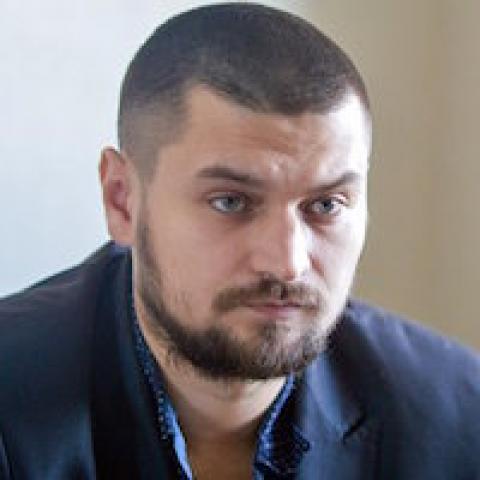

Russia may be struggling to communicate with the key decision-makers in Tehran as Iran’s power structure becomes increasingly opaque amid the ongoing US and Israeli campaign, according to Russian analysts and sources in Moscow.
A series of US and Israeli strikes targeting Iranian leadership since the war started has complicated the situation, making it harder for Moscow to determine who is actually in charge and who it can engage with. Most recently, Israel announced on March 17 that it had killed Ali Larijani, head of Iran's Supreme National Security Council, who had been a key liaison with Russia and met with Putin in Moscow on Jan. 30, less than a month before the war began.
Two sources in Moscow — one in the diplomatic corps and another in the intelligence services — told Al-Monitor they fear complications in relations between Moscow and Tehran. They pointed to the emergence of “different centers of power” in Iran, as well as what they described as Tehran’s hidden irritation over Moscow’s outreach to Arab states and dissatisfaction with possible asymmetry in Russian-Iranian relations.
As Alexei Makarkin, first vice president of the Center for Political Technologies, noted in an analysis published by Politcom.ru, Iran currently has a weak reformist president; a conservative parliament elected with minimal reformist participation and ready to declare this president incompetent if necessary; a harsh and uncompromising judicial system; a politically weak army; and the IRGC, which wields extensive political and economic power and is closely associated with the new supreme leader, Mojtaba Khamenei.


