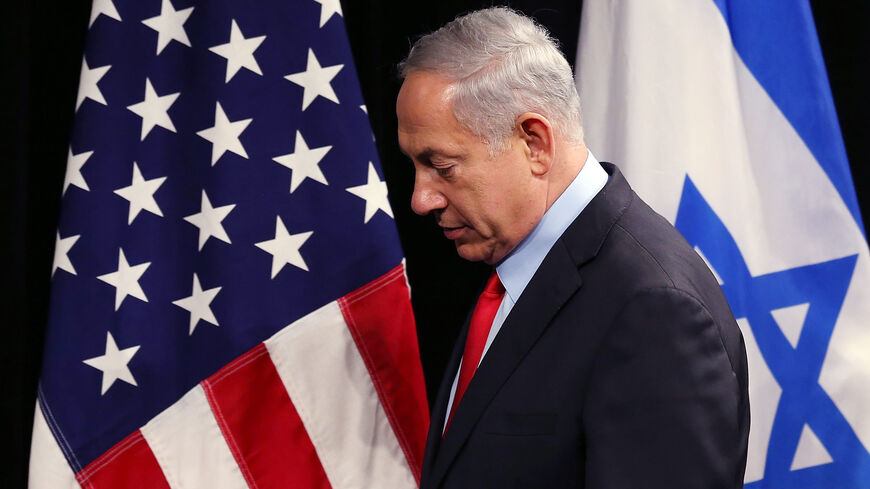
Prime Minister Naftali Bennett is now on his way to Washington for a first official visit. He is scheduled to meet with President Joe Biden Aug. 26. Iran’s nuclear ambitions and its involvement in disseminating terrorism throughout the Middle East will undoubtedly form the center of this week’s White House talks between Bennett and Biden and his team. Sources close to Bennett told the press Aug. 23 that Israel has drawn up a strategic plan to contain Iran, block its nuclear breakout efforts and rein in its regional subversion. They said Bennett intends to try to mobilize Biden’s support for this road map.
However, in the lead-up to Bennett’s first White House visit, far less media attention is being paid to another regional actor linked to the Iranian issue who troubles Israel’s leadership just as much: Hezbollah, which is fast becoming a significant threat equal to the Iranian one. While Iran continues its slow progress toward developing a nuclear weapon, Hezbollah Secretary General Hassan Nasrallah is moving much faster to amass first hundreds and then thousands of precision missiles. Israel considers this buildup a strategic tie breaker that would enable Hezbollah to harm its military and economic infrastructure and greatly hamper the capabilities of its air force and other means at its disposal.
Intelligence assessments put the number of Nasrallah’s precision missiles threatening Israeli infrastructure targets at several dozen. Despite concerted Israeli efforts to block the missile project, Hezbollah is moving its infrastructure and production capacities from Syria to Lebanon.
Discussions in Israel regarding the tipping point that will prompt action against this threat started during the administration of former Prime Minister Benjamin Netanyahu and are ongoing. While Israel focused its past offensive actions on targeting nuclear and nonconventional weapons development, it has never faced a conventional threat of this magnitude.
AL-MONITOR All-Access gives you unlimited access to all our journalism, the full Daily Briefing, exclusive interviews, premium newsletters, and live events — for less than $2/week.