



Sunni figures in exile return to Iraq as part of national reconciliation
Rafi Isawi has returned to Iraq to face trial for accusations related to terrorism; other Sunni figures with similar cases have expressed readiness to return to Iraq.
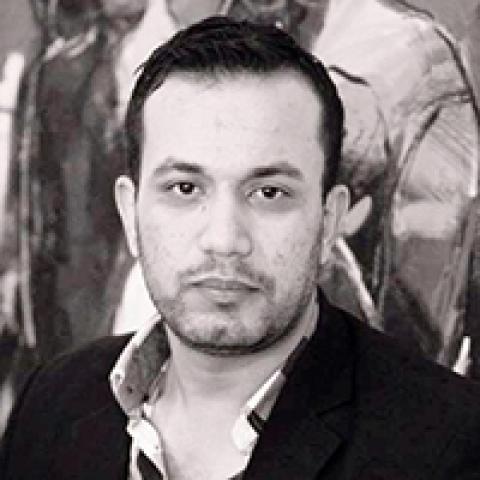

Former Finance Minister Rafi al-Issawi, a prominent Sunni figure, has returned to Iraq and turned himself in for trial on terrorism charges.
On June 21, parliament Speaker Mohammed al-Halbusi said Issawi has no ties to terrorism and that such allegations are “malicious,” saying Issawi’s return is a part of “yearslong UN efforts involving Iraq’s political and social reconciliation dossier. President Barham Salih has been engaged in Issawi’s return.”
This brought a quick reaction from Shiite politicians. Fatah Alliance leader Hadi al-Ameri warned that he will take a clear and strong position on the matter of allowing Issawi to return and receive a new trial, and found it odd that Salih and other officials had such knowledge of Issawi’s return.
The State of Law Coalition led by former Prime Minister Nouri al-Maliki threatened June 19 to take “up arms if the Saddam Hussein's Baath [Sunni-led party] was brought back to political life, as well as the terrorists and killers, [namely] the other side of the Baath.”


