



Palestinians' electoral success in Israel can't be denied
Palestinian citizens of Israel made a huge accomplishment in the latest Israel elections by winning an unprecedented 15 seats.
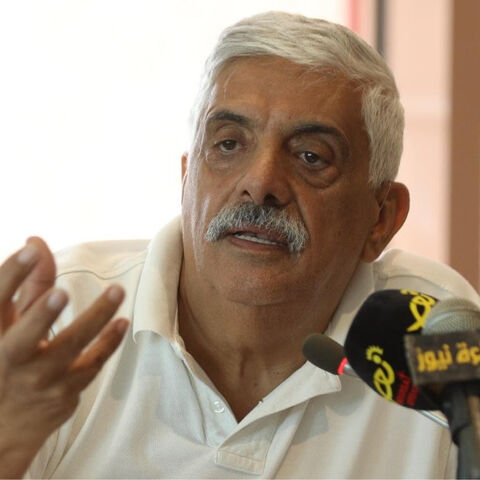

Palestinian citizens in Israel made a powerful statement in the March 2 elections, with the Arab Joint List winning an unprecedented 15 seats in the 120-member Knesset. The alliance consists of Hadash (Democratic Front for Peace and Equality), headed by Ayman Odeh; the Arab Movement for Change, led by Ahmad Tibi; the Islamic Movement, headed by Abbas Mansour; and the nationalist Balad, led by Mtanes Shehadeh. The 64.7% of Palestinian voters who turned out cast their ballots almost exclusively for the Joint List, thus thwarting the hopes of the current Israeli caretaker prime minister, Benjamin Netanyahu, to form a majority coalition government of 61 members.
Fadi Elsalameen, adjunct senior fellow at the Washington, DC-based American Security Project, told Al-Monitor that the results of the elections stand as a huge success for Palestinian citizens in Israel. “This success not only blocks Netanyahu from forming a government, but also ends the right-wing agenda of excluding Palestinian Arabs from having a place in Israeli politics,” Elsalameen said.
Elsalameen, a Palestinian himself, added that even before election day, “The success became evident in Netanyahu’s last-minute attempt to peel off some of these votes for himself, or at least to cause them to stay at home, as evident in his last-minute attempt to arrange direct pilgrimage trips to Mecca and his public claims that the idea of population change was a bad idea.”
US President Donald Trump’s peace plan, which many believe was largely inspired by ideas from Netanyahu, includes the shifting of borders to move 250,000 Palestinian citizens of Israel to the theoretical and powerless Palestinian state. This provision, tucked away on page 13 of the 181-page Peace to Prosperity plan, is said to have increased Arab turnout in the election.


