



Turkish Central Bank suffers big credibility loss
The Turkish Central Bank’s obedience to the government, both in terms of monetary policy and interventions in the foreign exchange market, is badly damaging its credibility among foreign investors, the ultimate cost of which will be borne by the crisis-hit economy.
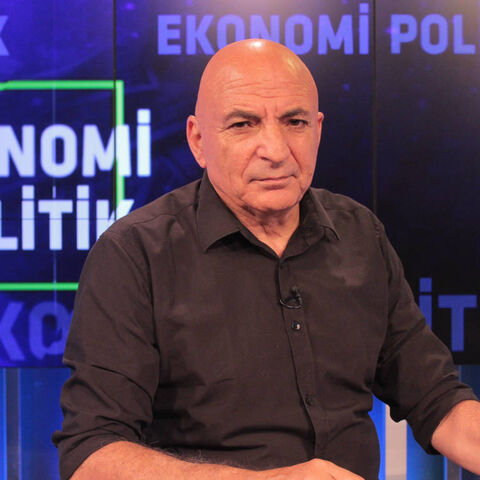

Turkey’s Central Bank has seen its credibility wane both at home and abroad after coming under full government control as a result of a series of moves by President Recep Tayyip Erdogan in the past two years. The bank could hardly be described as autonomous, independent or even relatively independent any longer. Erdogan himself makes no secret of the bank’s descent into obedience, asserting publicly that its former governor was sacked because he refused to heed his demands.
The Central Bank management is now doing what the government wants — not only in terms of monetary policy, but also by intervening in the foreign exchange market, something it is supposed to never do.
The bank’s overt submission, however, is taking a toll on the much-needed flow of foreign capital to the country. Even investors eyeing short-term speculative profits have grown reluctant to put money in Turkey, facing an unpredictable Central Bank that is flouting market norms and using back-channel methods to manipulate hard currency prices. And many who have already invested in Turkey are looking for the right moment to flee.
Still, the government is failing to realize — or prefers not to acknowledge — that this state of affairs is weakening further the external tailwinds that the Turkish economy needs to extricate itself from the current crisis.


