



Has Russia adjusted its Libya vision?
Moscow seemingly embraced the new proposal on Libya peace put out by the head of the Government of National Accord but this doesn't necessarily mean Russia has given up on strongman Khalifa Hifter.
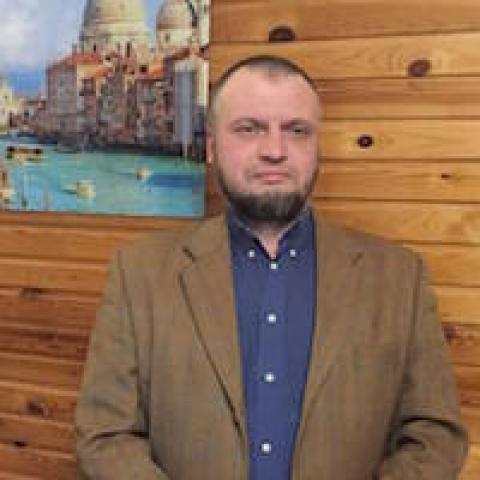

On June 16, Fayez al-Sarraj, head of the Government of National Accord, proposed a plan to resolve Libya’s current crisis. In a TV address, he called for holding a conference for Libyan parties in coordination with the United Nations mission in the country. The meeting would bring together all Libyan forces seeking a peaceful and democratic solution to the crisis.
“There can be no room for authoritarians and dictators whose hands have been covered in the blood of the Libyan people,” he said. The statement was interpreted as a dismissal of Khalifa Hifter, commander of the Libyan National Army.
The conference's role would be to help draft yet another road map for Libya and agree upon a constitutional basis for holding presidential and parliamentary elections before the end of the year.
These suggestions by Sarraj can hardly be implemented without substantial changes. At the same time, they could become a foundation for further efforts that can plan out future stages of the Libyan reconciliation process. While Hifter has not provided any alternative plan other than seizing control of Tripoli by force, Sarraj’s views appear constructive. They are also aimed at boosting his ratings and improving his position in the eyes of the international community.


