



Commentary: Why the US is merging its Jerusalem consulate into embassy
The United States announced that its office dealing with Palestinian affairs in Israel will merge with the US Embassy in Jerusalem, raising concerns among Palestinians.
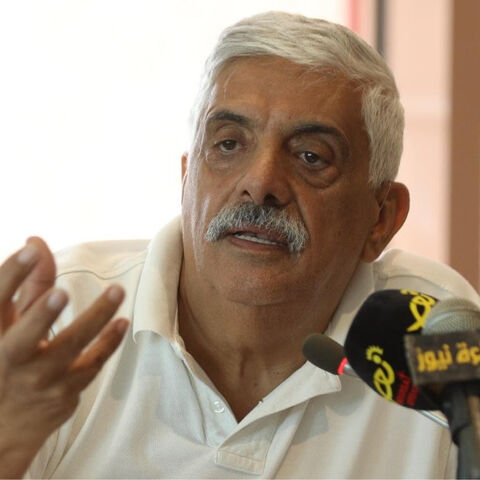

The Donald Trump administration caught Palestinians off guard by deciding to merge its consulate in Jerusalem with the newly established Jerusalem embassy. US Secretary of State Mike Pompeo said in an Oct. 18 statement that the merger, to be led by US Ambassador David Friedman, would "achieve significant efficiencies and increase our effectiveness."
Washington “will continue to conduct a full range of reporting, outreach and programming in the West Bank and Gaza as well as with Palestinians in Jerusalem through a new Palestinian Affairs Unit inside US Embassy Jerusalem,” Pompeo said, noting that the new Palestinian Affairs Unit will operate out of the US unit on Agron Street in Jerusalem.
In addition to regular consular affairs, the consulate in Jerusalem serves as the US conduit with the Palestinian people and government and is a direct connection to the US State Department.
Palestinian officials quickly denounced the decision, saying the Trump administration was colluding with Israel to “impose Greater Israel with no Palestinian sovereignty,” as PLO Secretary-General Saeb Erekat described it.


