



Why moving US Embassy to Jerusalem is no way to start a presidency
President-elect Donald Trump's proposal to relocate the US Embassy would place another straw on the proverbial camel's back in the Mideast.

The possibility of US President-elect Donald Trump's administration actually carrying out his campaign "promise" to move the US Embassy in Tel Aviv to Jerusalem exposes a Pandora’s box of complications that would destroy what little chance exists of a mediated solution to the Israeli-Palestinian conflict.
The genuine worries raised by that specter have only grown following Trump's announcement that he will nominate pro-Israeli-settler, right-wing Jewish bankruptcy lawyer David Friedman as his ambassador to Israel. Friedman welcomed the news by saying he plans to work out of a new embassy office in Jerusalem.
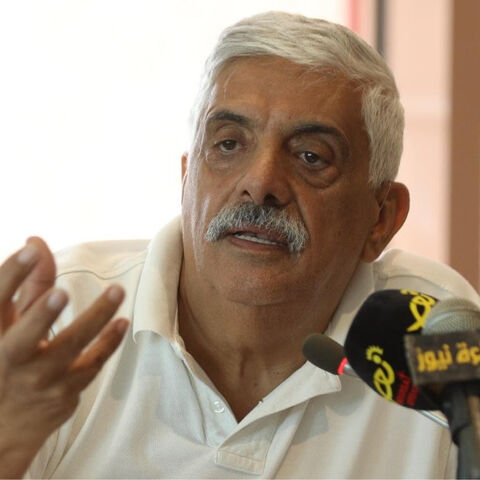
The concern comes not only from Palestinian politicians; it comes from Palestinian, Israeli and US legal and academic experts. Camille Mansour, former professor of international relations at Paris University, told Al-Monitor that if it does take place, the US move will have a devastating effect in a number of areas.
“It is a clear abandonment of the corpus-separatum issue, which Jerusalem has enjoyed since before 1947," he said. A number of consulates were based in Jerusalem — US, Italian, English, Turkish, Spanish, French and Belgian — "based on this separate recognition of the city."


