



What the new UN envoy to Libya should do first
The new UN special representative to Libya, Martin Kobler, must strive to regain the trust undermined by his controversial predecessor, Bernardino Leon.
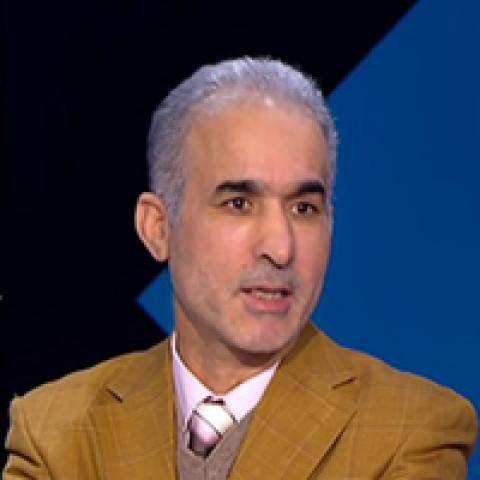

Martin Kobler has taken on the role of the UN secretary-general’s special representative in Libya, and he faces a daunting task: overcoming his predecessor's betrayal of the country's trust.
Libya has been divided into two rival governments for more than a year. In August 2014, the armed alliance Libya Dawn was able to take over Tripoli, forcing out the official, internationally recognized government, which relocated to Tobruk. Kobler's predecessor, Bernardino Leon, was tasked with uniting both sides to form one government.
The factions rejected Leon's proposal in October. Kobler's priority since taking over Nov. 17 has been to get the political process moving again. He first must regain the trust of Tobruk and Tripoli. Both relationships were badly damaged by Leon, who left Kobler a somewhat tainted process. Leon departed in controversy after the British newspaper The Guardian revealed he had been secretly negotiating a high-paying job to be director of the United Arab Emirates’ (UAE) diplomatic academy. The UAE recognizes the government in Tobruk.
In his exchanges with UAE Foreign Affairs Minister Abdullah Bin Zayed, Leon discussed many details about his proposed political settlement. In an email sent Dec. 31, 2014, Leon outlined his strategy and action plan, jeopardizing his supposed impartiality.


