



Bon Jovi rocks Tel Aviv, dedicating 'We don’t run' to their fight
In a seemingly normal evening, Israelis enjoyed a rock show by Bon Jovi, while the situation in Jerusalem and the West Bank keeps escalating, with dramatic stabbing incidents.
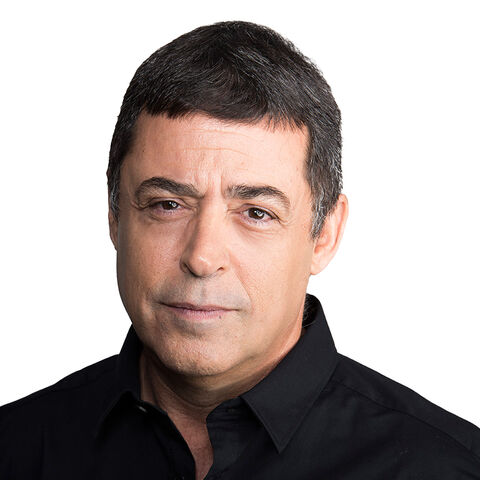

Bon Jovi drew close to 55,000 enthusiastic fans to Tel Aviv’s Hayarkon Park the night of Oct. 3. The preaching by Pink Floyd co-founder and boycott, divestment and sanctions activist Roger Waters, sent Bon Jovi another message the day before his performance declaring that by going to Tel Aviv he was “standing shoulder to shoulder” with “the settler who burned the baby,” but it failed to stop the show. Bon Jovi ignored these entreaties in an elegant way. For over two hours he gave himself to the Tel Aviv crowd and declared that he would come again “whenever you say,” ended the evening by exhorting the fans to “stay safe,” and he knew why.
On the eve of the popular American rocker’s arrival, on Oct. 1, Palestinian terrorists murdered Eitam and Naama Henkin, residents of the West Bank settlement of Nerya, in front of their four children. The children were with them in the car and were miraculously saved. Their oldest son, Matan Hillel, 9, said the Kadish prayer for the dead over his parents’ grave. He is one of four orphans, with the youngest just a few months old.
The roads in Jerusalem and Judea and Samaria, which have turned into a bloody front, are a world apart from Tel Aviv, where Bon Jovi performed at Hayarkon Park. Just a 45-minute drive separates these two universes. An hour before Bon Jovi took the stage, two Israelis were stabbed in the Old City of Jerusalem and succumbed to their wounds. Several hours after he walked off the stage, a 15-year-old Israeli boy was stabbed near the Jerusalem Damascus Gate. Bon Jovi dedicated one of his new songs — “We Don’t Run” — to the wild audience of tens of thousands. He apparently follows current events and understands politics. He can rest assured: Israelis aren’t running anywhere. They simply repress reality. Somehow they manage to maintain the flourishing, liberal, rocking state of Tel Aviv, but also the Judea and Samaria state — wild, Biblical and bleeding.
This is the third intifada. One can stop hesitating and wondering about it; one can stop trying to come up with a definition for the current state of affairs. For now, its confines are limited to youths throwing stones at passing cars, fire bombings, occasional stabbings, and small cells ambushing Israeli cars and spraying them with automatic weapons fire. We have yet to reach the “big leagues” of suicide bombings, but we may get there. What we are experiencing now illustrates the fragility of the status quo and the fact that the conflict cannot be “managed.” Palestinian President Mahmoud Abbas is losing control. So is Prime Minister Benjamin Netanyahu. The coming days and weeks will determine where this intifada is heading.


