



Fatah leader on kidnappings: 'Everyone is in big trouble now'
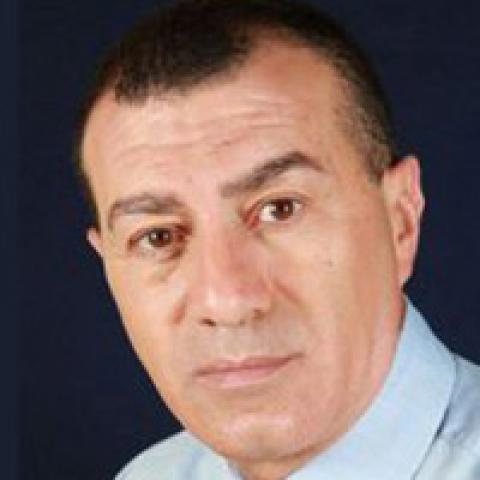
In an interview with Al-Monitor, senior Fatah official Fares Qadura warns of escalation, saying that everyone knows that Israel will not negotiate a prisoners exchange for the three kidnapped youths.

"This morning I can say what I was unable to say yesterday before the extensive wave of arrests of Hamas members in Judea and Samaria. Those who perpetrated the abduction of our youths were members of Hamas. … This has severe repercussions."
Thus Prime Minister Benjamin Netanyahu opened his weekly government meeting on June 15, shedding a bit of light on the abduction of three rabbinical college students — Naftali Frenkel, Eyal Yiftah and Gil-ad Shaar — June 12.
If Hamas did indeed carry out the abduction, it will be the fourth time that members of its military wing have set policy for the movement and forced the political leaders to fall into line with them — and this only two weeks after the Fatah-Hamas Palestinian unity government was formed in Gaza and Ramallah.
The Hamas movement has been trying to prove to everyone that it is a legitimate political movement, especially since its victory in the elections for the Palestinian Authority in 2006. But unlike other political movements whose heads and leaders pave the way forward, Hamas is a movement whose armed members force their leadership to deviate from their chosen path time and again, mainly when the movement reaches a crossroads.


