



Palestinian diaspora needs unity deal
The Palestinian reconciliation deal could provide an opportunity for the divided Palestinian diaspora to heal rifts.
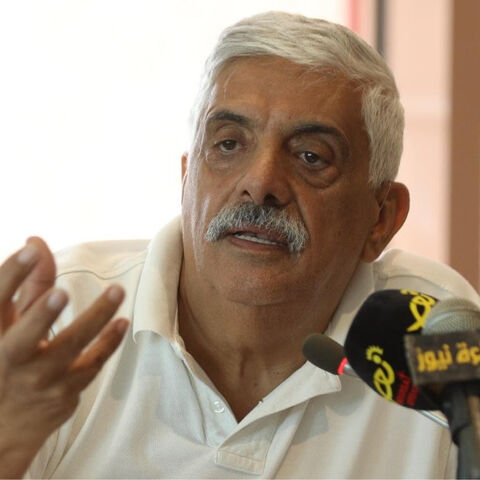

The PLO-Hamas reconciliation agreement signed in the Shati refugee camp in the Gaza Strip on April 23 is forcing Palestinians everywhere to revisit their own divisions and start working together for the common Palestinian good.
For years, Palestinians living outside the occupied territories have been divided over many fronts. Not only was the PLO-Hamas split reflected in almost every diaspora community, but there has also been a generational split and a more intense ideological one.
Palestinians and their supporters might agree on their opposition to the Israeli occupation, but they have been unable to agree as to what they are aiming for, and how they want to get there.
While the PLO-Hamas split is often reflected in radical versus moderate terms, and violent versus nonviolent resistance, a different and more intense ideological battle has been brewing. Within the largely secular, liberal diaspora, a huge split has evolved not on how to achieve independence, but what kind of Palestinian state it should be. Supporters of the two-state solution are dismissed as "appeasers" and as "traitors to the cause of the right of return," while supporters of the one-state solution are accused of preaching an ideology without providing any details on how they plan to convince Israeli Jews to come around and accept it.


