



The Anguish of Israel's Bedouin
Israel's Bedouin tribes are calling upon the government to stop their forced relocation under the Prawer law, and use dialogue and compromise to avoid more violence.

If anyone thought that the Prawer Bill to regulate Bedouin settlement in the south of Israel would pass quietly, the demonstrations and conflicts of the past few days prove that he was mistaken. The implementation of the law and attempts to forcibly evict the Israeli Bedouin from their unrecognized settlements in the Negev and move them to planned new settlements will only deepen the rift between them and the state of Israel and ultimately lead to bloodshed.
It is very reasonable for the state to want to pass a law regulating the Bedouin settlements, either through financial compensation or by providing alternative plots of land to anyone forced to abandon their own. The far-reaching land grab by the Bedouin clans of the south has created a situation that requires intervention. On the other hand, almost any time that the state has tried to find an equitable legal solution that also meets the tribal needs of the tribal people, the Bedouin have pulled out the claim that “This land belongs to me and my ancestors,” effectively ending the discussion.
Members of the “Green Patrol,” which enforces the Ministry of Environmental Protection’s decisions, have been engaged in futile efforts to curb the tribes’ seizure of additional territories resulting from the natural growth of the community or the shifting migration patterns of their flocks. Efforts to demolish illegal structures have quickly deteriorated into full-fledged battles pitting the residents against the Israeli Land Authority and the police. A feeling of animosity toward the state has emerged among the Bedouin over time, as they perceive it as hostile to them and their lifestyle. It is hard to believe that in this climate, it will be possible to implement the Prawer Bill through dialogue and cooperation. After all, the Bedouin claim that the law would result in 36 unrecognized villages being uprooted, dispossessing villagers of 800,000 dunums (300 square miles), and some 30% of their population would be concentrated in just 1% of the land on which it is now spread out.
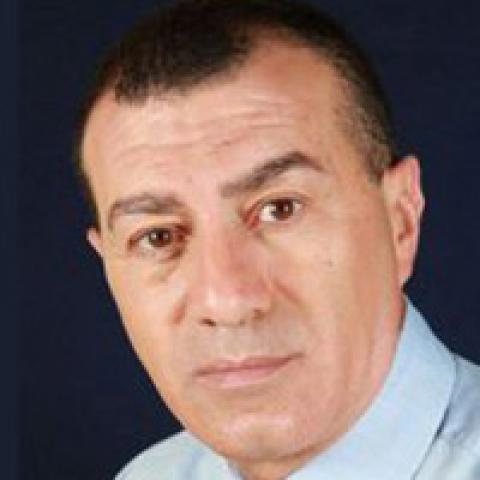
Former Knesset member Talab el-Sana, from the village of Lakiya, described what will happen after the bill is finally passed into law: “If the government continues to promote this plan, we will declare a civil revolt. If the plan does not show us respect, we are not required to respect its implementation.”


