



Iraqi Politicians Find Common Ground Elusive
As Iraq’s political crisis intensifies, political parties should focus on areas of agreement, not escalting differences.
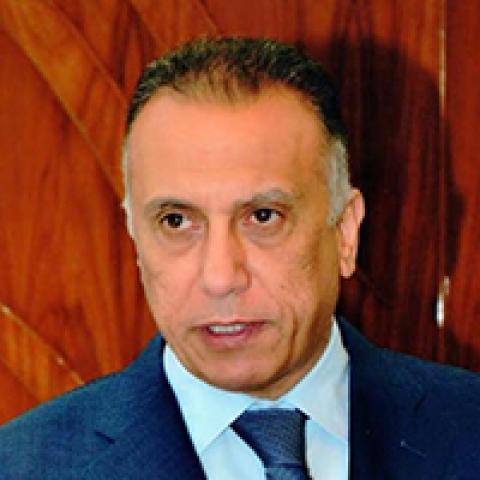

The major players in Iraqi politics miss no opportunity to politicize the great controversial issues concerning the future of national reconciliation and the streamlining of the political process. On the contrary, they use them as election propaganda at times and as a form of reciprocal political miscarriage at other times.
The occasion for talk about the controversy that has emerged in recent days is a proposed law to criminalize the Baath Party put forward by the Shiite State of Law coalition, led by Prime Minister Nouri al-Maliki, as well as a law to "criminalize sectarian parties" put forward by the Sunni Mutahidoun bloc led by Parliament Speaker Osama al-Nujaifi as a counterweight to the former law.
The basic principles is that both laws are subject to the text of Article VII of the Iraqi constitution. It states, "No entity or program, under any name, may adopt racism, terrorism, the calling of others infidels, ethnic cleansing, or incite, facilitate, glorify, promote, or justify thereto, especially the Saddamist Baath party in Iraq and its symbols, regardless of the name that it adopts. This may not be part of the political pluralism in Iraq. This will be organized by law.”
This text is exceedingly confusing and complex. While one can grasp the ban on the Baath Party, tainted by its grim history ruling Iraq over the last three decades, it is difficult to find an agreed-upon definition encompassing all movements that might be described as inciting sectarianism and racism in Iraq today.


