


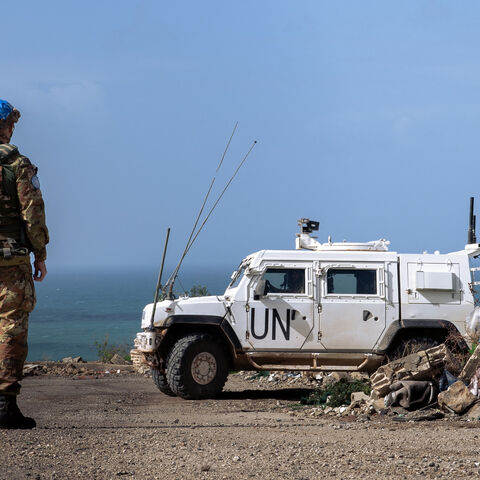
Lebanon-Israel talks at Pentagon undercut by escalation: What to know The Lebanese army is expected to press for the full implementation of the ceasefire with Israel during military-level talks at the Pentagon, to allow it to carry out its plan to disarm Hezbollah. Lebanon
Newsletter: China-Middle East China wary of Syria's Uyghur militants, but business keeps growing A groundbreaking report on Uyghur militants’ role in Assad’s downfall is sharpening Beijing’s concerns over Syria’s new Islamist-linked leadership. By Joyce Karam
Israel strikes Lebanon's capital Beirut for first time in 3 weeks: What to know According to Israeli media, Ali al-Husseini, the commander of the missile unit in the Imam Hussein Division, a brigade affiliated with Iran’s Quds Force that operates alongside Hezbollah, was the target of the attack. Lebanon
Newsletter: Daily Briefing US, Iran trade strikes as truce comes under pressure A fresh US-Iran exchange of strikes rattles ceasefire diplomacy while Israel expands operations in Lebanon. By Beatrice Farhat In Beirut, reporting on regional news, culture, conflict
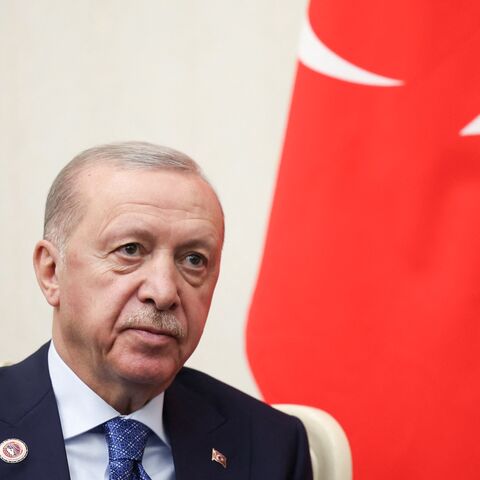
Erdogan steps up pro-refugee rhetoric as 20,000 Ukrainians come to Turkey The Turkish president’s pro-refugee rhetoric aims to deliver a positive message to Western allies and slash the opposition, but activists wonder if it is sincere. Turkey
Iran says nuclear deal within closest reach yet The statements reflected fresh hope by Iran after Russia said its separate demands were being met by the United States. Iran
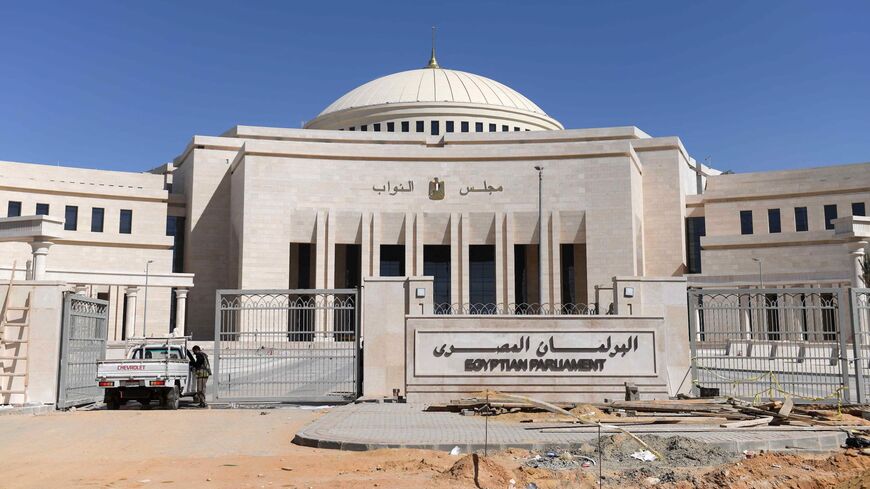
Analysis Lawmakers call for probe as arms purchasers target US-based dissidents Democratic lawmakers are seeking a congressional watchdog study on how the State Department is tracking extraterritorial harassment by countries that benefit from US security assistance or arms, including Egypt, Saudi Arabia and Turkey. By Elizabeth Hagedorn In Washington, DC, reporting on diplomacy, regional politics, human rights

Zelenskyy to give Zoom speech to Israeli Knesset Sunday With the Knesset on recess and many parliamentarians on vacation, Prime Minister Naftali Bennett and Foreign Minister Yair Lapid said they will both attend the Zoom-delivered address by Ukrainian President Volodymyr Zelenskyy March 20. Israel
Iraq's parliament sets date for selecting president from Kurdish ranks The selection of Iraqi president have been delayed because of the sharp division between the two main Kurdish parties over which candidate should fill the role reserved for their group. Iraq
Analysis The Takeaway: Done deal? Iran nuclear talks appear back on track Putin opens door to Syrian fighters in Ukraine; Egyptian students’ harrowing escape from Ukraine; Hamas keeps quiet on Ukraine while building mega-mosques; Lebanon’s cancer crisis; and more … in about 1,300 words. By Andrew Parasiliti , Elizabeth Hagedorn , Joe Snell
Child kidnappings haunt civilians in Syria’s Daraa Civilians in Syria’s southern province of Daraa are living in constant fear amid increasing cases of kidnappings. Syria
In Lebanon, deterioration of health system endangers cancer patients' lives Faced with the shortage of medication and the increase in hospital costs, cancer patients in Lebanon are finding it increasingly difficult or impossible to afford treatment. Lebanon
Will Erdogan draw lessons from Putin's Ukraine mistakes? As Turkish President Recep Tayyip Erdogan watches Russian forces flounder in Ukraine, he may be rethinking his own ambitions — or concluding that Turkey is in a better spot than ever. Turkey
In Istanbul, fleeing Russians mull next step of self-exile Thousands of Russians fearing the political and economic fallout of the Ukraine war have fled to Istanbul, with most planning to travel on to Europe or former Soviet republics. Turkey
Mixed feelings in Israel over Bennett’s mediation efforts on Ukraine The Israeli opposition is criticizing Prime Minister Naftali Bennett as overeager to drag Israel into the Russia-Ukraine quagmire. Israel
Middle East struggles against drones, despite billions in defense spending Military unmanned aircraft, both custom-designed and retrofitted, pose an increasing threat to security in the region, and states' defense capabilities have not kept up with advances in attack technology. By Elisabeth Gosselin-Malo