



Turkey, Pakistan among 14 countries backing Saudi Arabia's anti-Houthi Red Sea alliance
Riyadh won political backing from 14 countries for its proposed maritime defense coalition, but members have yet to commit to joining as Washington weighs its position.

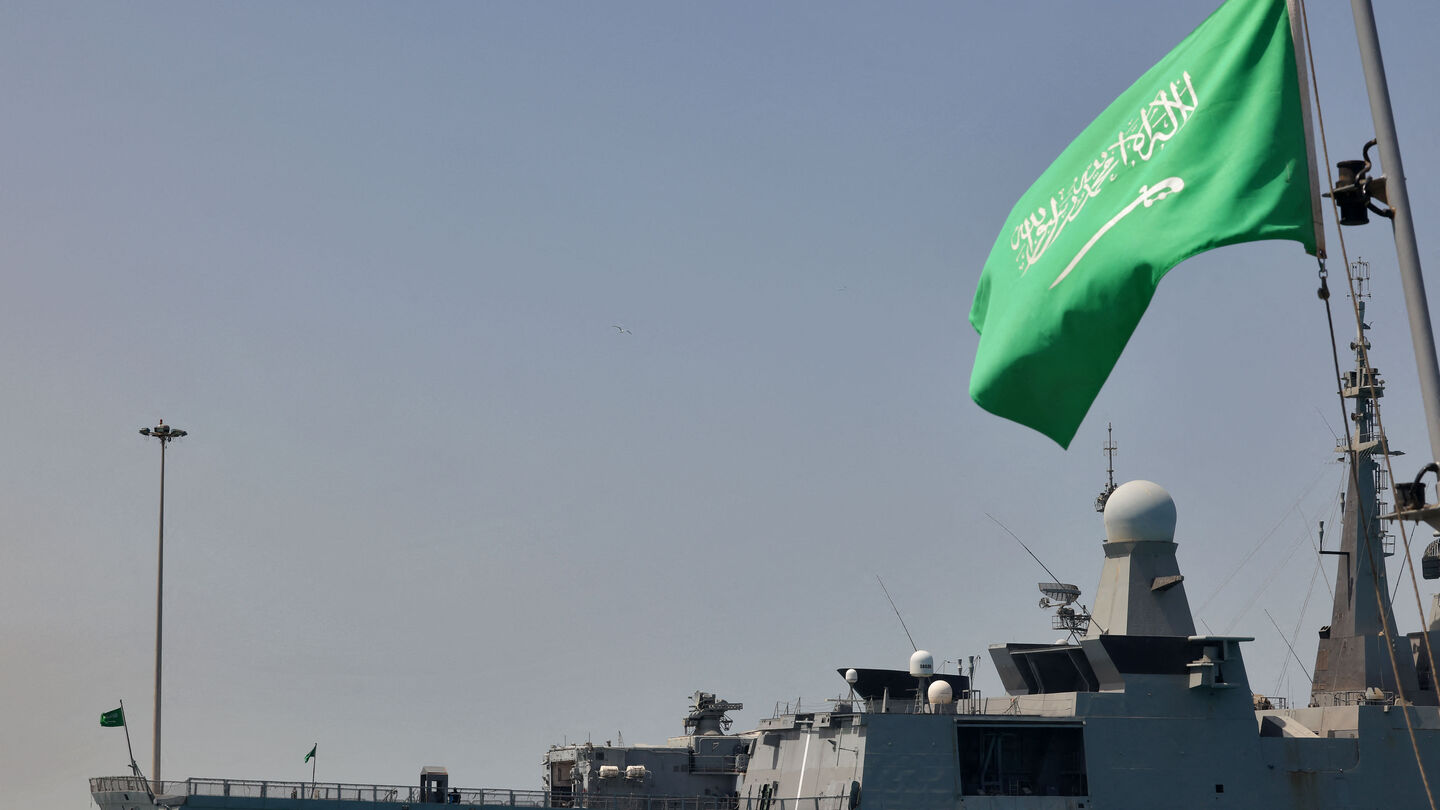
Turkey, a major NATO power, and Pakistan, a nuclear power, have pledged to back a proposed Saudi-led global coalition whose immediate mission will likely be to defend the Red Sea from attacks on shipping by Iran-backed Houthi rebels.
Fourteen countries — including Pakistan, Turkey, Kuwait, Bahrain, Qatar, Jordan and Egypt — issued a joint statement affirming their support for the grouping during a meeting hosted in Riyadh on Thursday to discuss the Multinational Maritime Defense Alliance project. However, they stopped short of formally committing to joining the alliance, whose charter and organizational structure have yet to be finalized. Oman and the UAE were notably absent from the list of signatories.
Some 43 countries out of a total of 51 that were invited to join the grouping attended in person or virtually. "This reflects the growing international interest in strengthening maritime defense cooperation and underscores the importance of unifying efforts to confront common threats targeting the security of international waterways within the defined area of responsibility of this defense alliance," the statement read. A preparatory meeting to discuss a draft charter and joint communique was held on July 28 in Riyadh, diplomatic sources told Al-Monitor. "Signing a joint communique and signing a charter entail different obligations," one of the sources said.
The communique is a political document whereas the charter "is institutional with legal implications," the source added.


