



Israelis addicted to tweeter specialized in COVID-19 charts
Tweeting under the name Little Moiz, Eldad Sitbon has become a source of reference with his coronavirus graphs and charts.
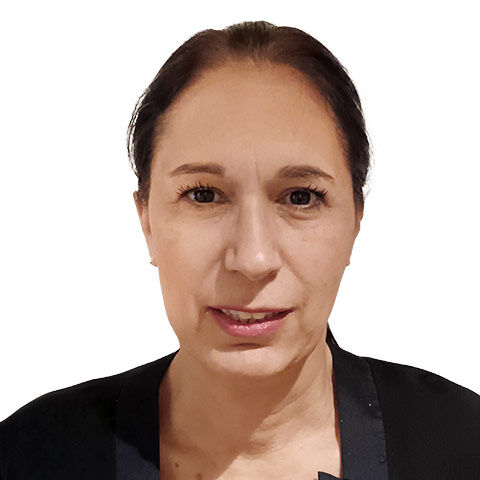

On the morning of Nov. 1, Eldad Sitbon posted two tweets. In the first, he referred to the recent dispute in Israel whether first and second graders should wear face masks at school. More specifically, he was reacting to a post by Channel 2 News that said the Ministry of Education and the Ministry of Health are considering canceling the requirement for young students to wear face masks. "Despite what people explained yesterday, I still think it would be better to let go of masks," Sitbon tweeted.
A few minutes later, Sitbon posted a second tweet, this time detailing in numbers and in words the development of the coronavirus pandemic in the last 24 hours. He wrote, "649 confirmed cases since yesterday. The percentage of positive cases keeps increasing little by little … 3.1%. Contrary to May, this time we failed going under 1% of positive cases. I read yesterday the report issued by the [Home Command] Alon headquarters. To make a long story short, they have no idea what’s going on in the country, because people are not coming in to get tested, and it’s not as if this is not necessary. … My personal feeling is that the situation is really shitty and developing in a shitty direction …"
Sitbon tweets — under the name Little Moiz — several times a day, and some days he tweets as many as 10 times or even more. Almost all his tweets relate to the coronavirus pandemic, often with graphs, charts and plans that illustrate the progress of the outbreak. But his tweets have nothing to do with those of the Ministry of Health or information released by public health experts. He writes in colloquial Hebrew, just the way people talk in real life.
On Oct. 31, Sitbon referred to the number of coronavirus-related deaths. "It’s Saturday night and it’s time to talk about mortality rate. Stay with me on that for a moment. 95.4% of the people who die of the coronavirus are 56 years or older. If we want to know what’s the real impact of the coronavirus for each town then we need to compare the mortality rate of people of 56 years and older with the total number of this age group in the town. That’s what I did. I compared the number of people aged 56 and older who died of the coronavirus with their percentage in the population. As for conclusions, I leave it to the experts and the mystics …" The text is accompanied by a simple two-colored graph, easy to read and understand.


