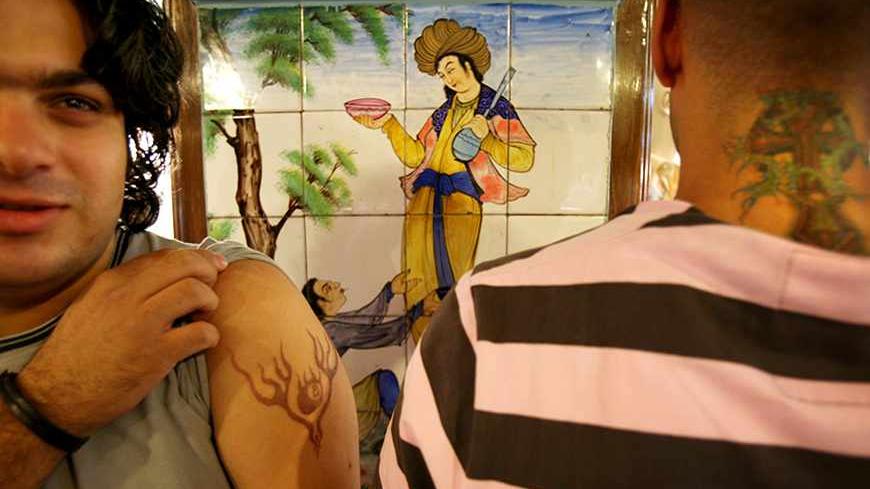
GAZA CITY, Gaza Strip — The tradition of henna body painting has resurfaced among Palestinian women who paint their bodies and feet for ornamental purposes. This tradition vanished in the past decades, but it is gaining popularity again and has become a source of living for many women who help to make ends meet amid the deteriorating living conditions in the Gaza Strip.
Henna is a powder made out of henna tree leaves. It is sold in local perfume stores and can be prepared at home by crushing henna leaves and mixing them with water, then adding dyes to give them color. Women paint beautiful shapes on their hands and feet with henna, and the designs last for a couple of months before disappearing.
According to historian Naser al-Yafawi, henna painting is part of Palestinian heritage, and it was first used by the Phoenicians in the Levant in 1500 B.C., especially in Lebanon and Palestine. They colored the henna magenta to give it a nice color. The tradition then spread among Egyptians and other civilizations. Yafawi told Al-Monitor, “Phoenicians tattooed their hands and faces with henna as part of pagan rituals. When people died, their palms were painted with henna before the burial. Later on henna became a part of women’s ornamentation.”
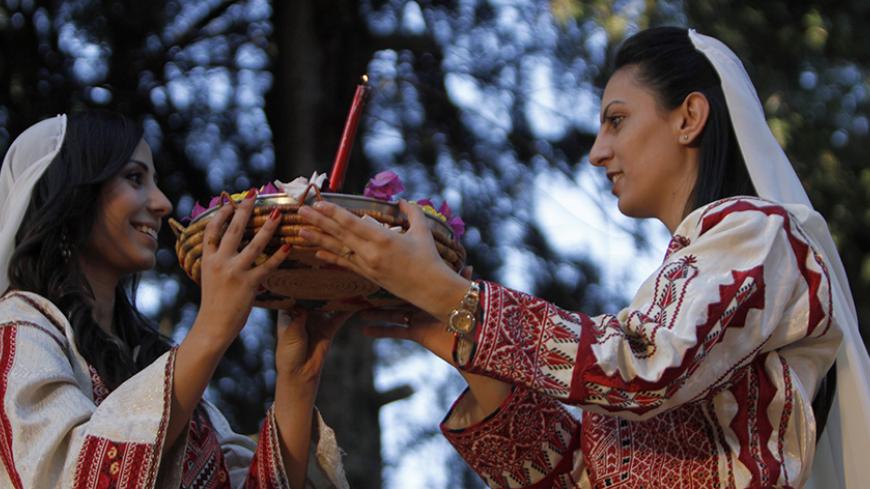
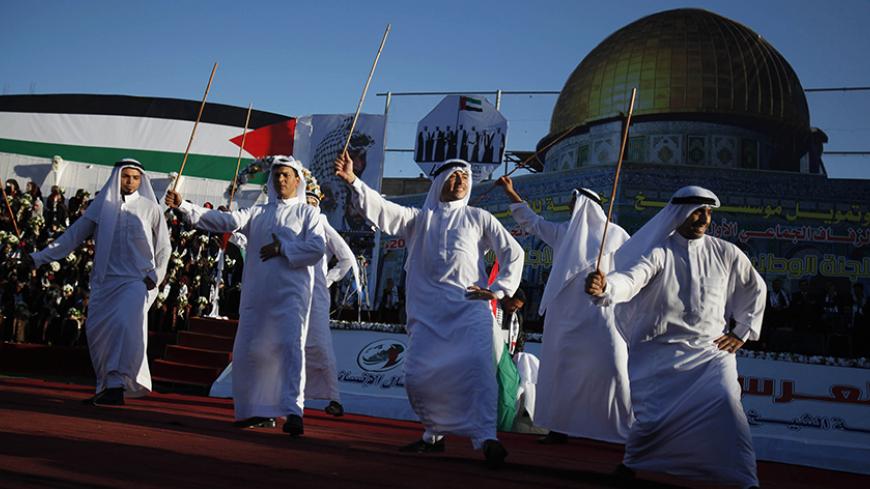
Yafawi said that henna tattooing has always been part of traditional rituals for Palestinian weddings. The bride’s hands and feet are painted with henna to resemble a mural on the night before her wedding in what is called “henna night.”
AL-MONITOR All-Access gives you unlimited access to all our journalism, the full Daily Briefing, exclusive interviews, premium newsletters, and live events — for less than $2/week.