As Iran’s grip on Hormuz weakens, what leverage does Tehran have left?
Six months into the war, Iran's grip on the Strait of Hormuz is weakening. The world is slowly learning to live with it, oil flows are recovering, alternative routes are expanding and Tehran's own economy is bearing the cost of keeping the waterway under pressure.


TEHRAN — Iran's ability to use the Strait of Hormuz as an economic tool is losing strength just as the waterway becomes central to efforts to end its war with the United States.
The paradox is becoming harder for Tehran to escape, as the US and Gulf states adapt to disruption, while Iran's power to extract concessions from threatening to disrupt the strait is diminishing.
The latest data may illustrate that shift. Kpler has estimated that average daily Hormuz clearance reached 13.19 million barrels in the week to Sept. 27, about 77% of its 17.13 million bpd prewar baseline. It has said that the daily confirmed flows varied considerably, but the most recent figures were still being revised upwards as more shipments were confirmed.
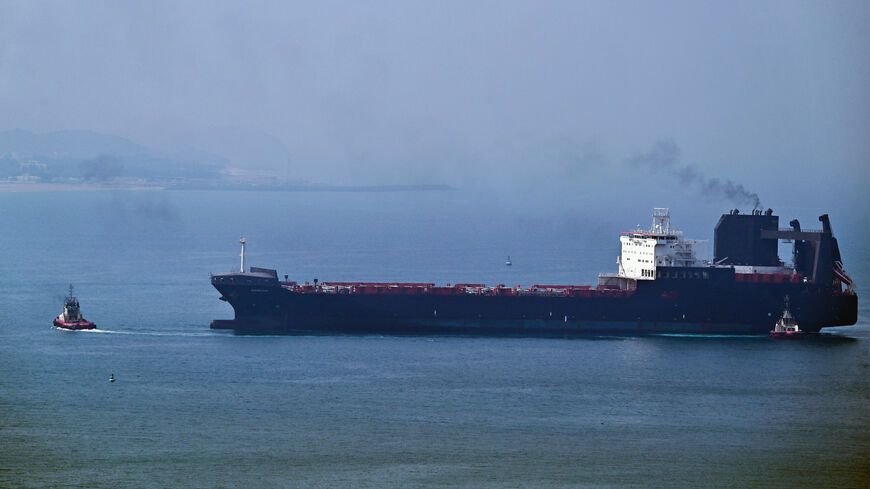
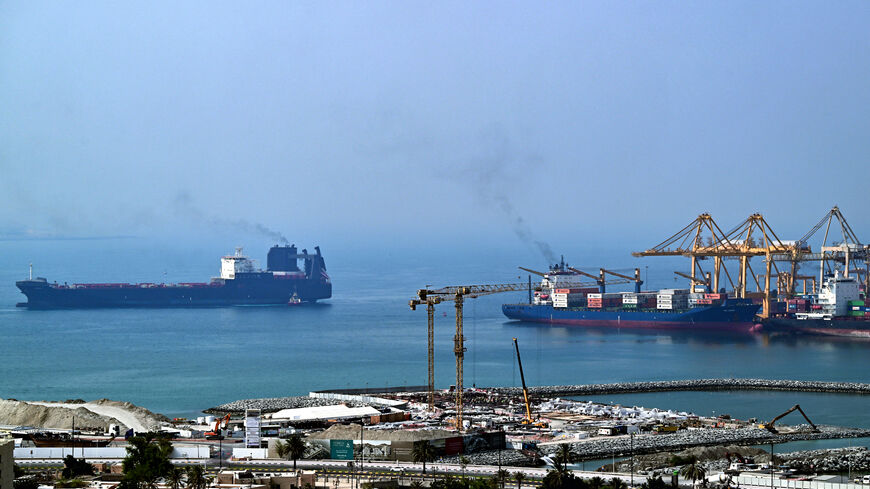
The recovery is significant even though the strait is far from functioning at prewar levels, when roughly 125 large commercial vessels crossed it each day. Recent traffic remains well below that rate, and some vessels are sailing with their tracking systems switched off.