Saudi pipeline shutdown exposes shrinking global oil-supply buffers
Oil prices have climbed to their highest since May as disruptions to flows through the Strait of Hormuz and the temporary shutdown of Saudi Arabia’s East-West Pipeline tighten global supply.


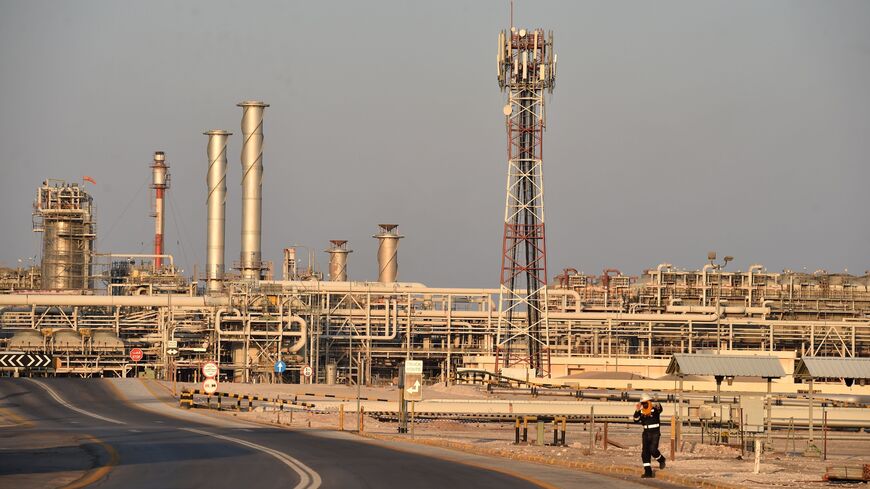
The shutdown of Saudi Arabia’s East-West Pipeline has knocked out the kingdom’s main route for bypassing the Strait of Hormuz, threatening to remove another major source of crude from a global market whose wartime buffers are already shrinking.
Two regional officials told the Associated Press on Monday that the pipeline would probably remain largely out of service for several weeks while the damage is repaired. Saudi oil buyers and traders told Reuters on Sunday that inventories at the Red Sea port of Yanbu could sustain exports for only five to seven days without the pipeline, potentially putting up to 4% of global crude supply at risk.
"We are now looking at a three-to-five-week pipeline shutdown. This has been the principal Saudi relief valve for the war," Helima Croft, managing director and global head of commodity strategy at RBC Capital Markets, told Al-Monitor. "Combined with the Houthi Bab el-Mandeb blitzkrieg, this gravely imperils what had been the most consequential bypass route, underscoring our ultimate view that there is no substitute for the reopening of Hormuz."
Saudi relief valve disabled