Houthi attacks pressure Saudi Arabia’s splashy economic overhaul
Riyadh faces the prospect of having to divert more resources away from noncritical Vision 2030 projects toward defense and economic support as the US-Iran war hits the kingdom more directly.


Saudi Arabia is preparing to host the Future Investment Initiative, better known as “Davos in the Desert,” in late October, with the glitzy gathering bringing together global investors, business titans and political leaders at Riyadh’s annual showcase of the kingdom’s sprawling ambitions.
This year, however, the event risks becoming a reminder of just how exposed those aspirations have become.
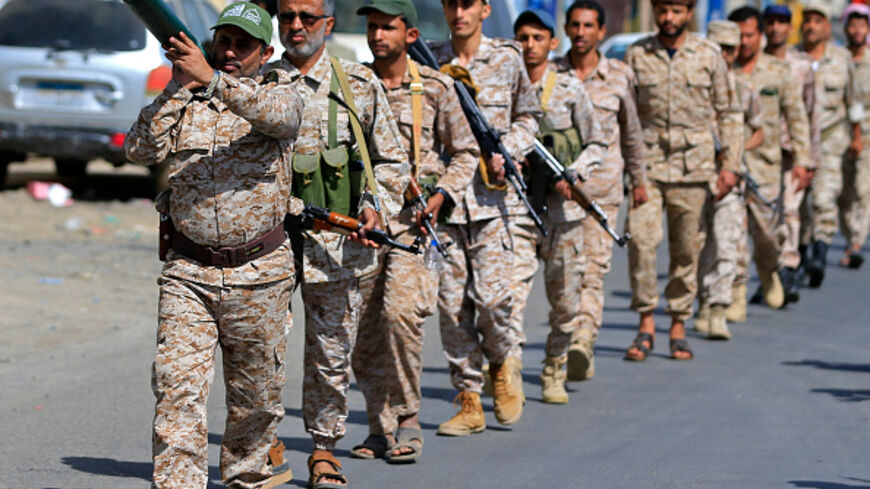
Saudi Arabia had largely insulated itself from the worst direct economic fallout of the more than six-month-old US-Israel-Iran conflict. That is changing rapidly. Iran’s Houthi allies in Yemen have escalated attacks on the kingdom, putting key Saudi infrastructure more directly into the conflict’s crosshairs.
Drone strikes took the country’s crucial East-West pipeline offline on Sept. 10, threatening vital Red Sea oil exports on which Saudi Arabia’s economy has depended this year as Iran has disrupted shipping through the Strait of Hormuz. Riyadh blamed the pipeline attack on Iraqi militias, but hostilities with the Houthis are increasing pressure.