



EU says energy costs tied to Hormuz crisis have surged past $35B
Global energy price increases tied to the Hormuz disruption are driving higher import costs in Europe, despite limited reliance on gas flowing through the strait.


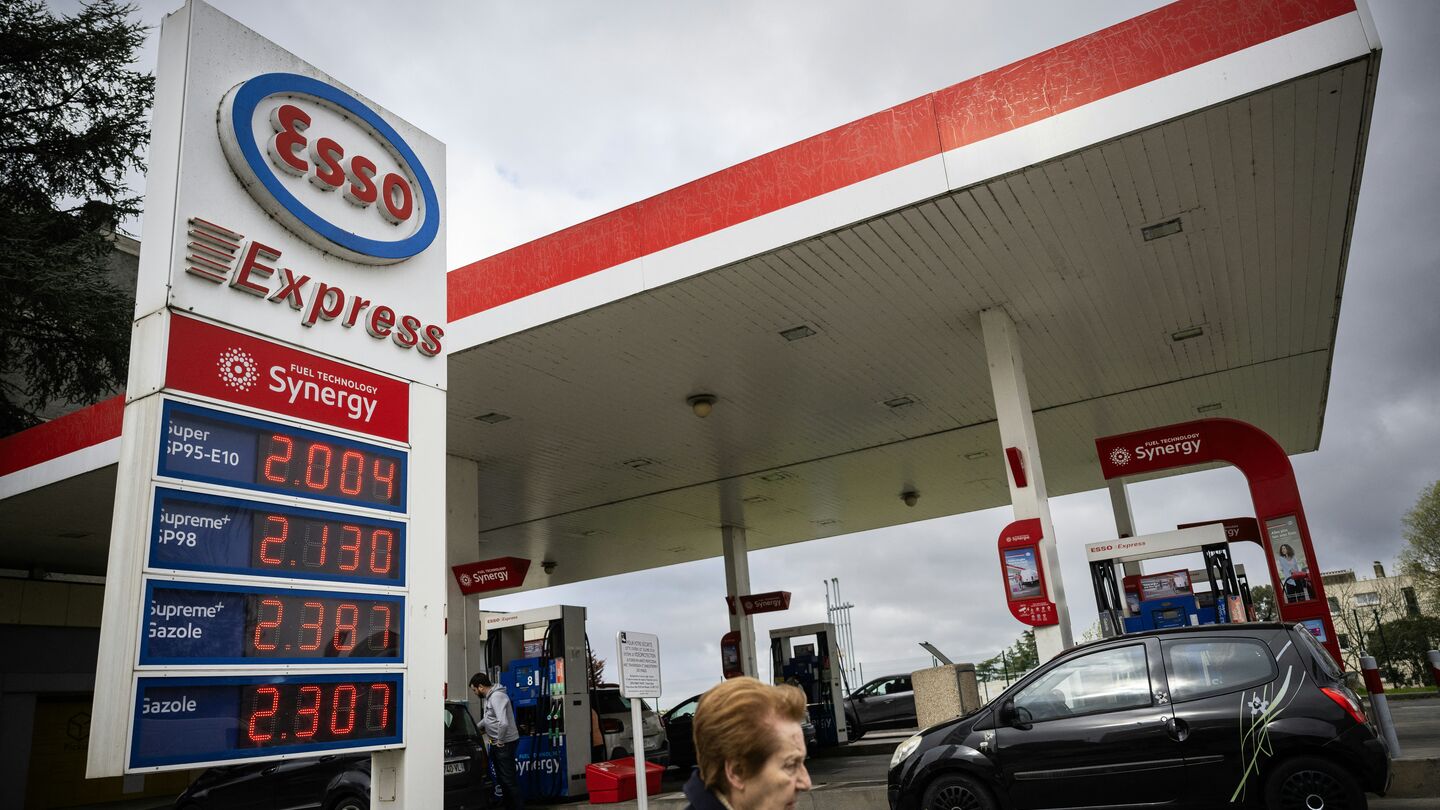
PARIS/LONDON — The Iran war and the ensuing closure of the Strait of Hormuz have generated an unprecedented global energy crisis that has already cost the European Union more than $35 billion, EU Energy Commissioner Dan Jorgensen warned Tuesday.
What happened: “Since the outbreak of the conflict in the Middle East, the European Union member states have already spent over 30 billion euros [$35.1 billion] more on fossil fuel imports without receiving any additional supply,” Jorgensen told journalists in Brussels.
“The world is facing what is arguably the most severe energy crisis ever — one that is testing the resilience of our economies, our societies and our partnerships.” The EU is not yet facing energy flow problems, Jorgensen said, but he stressed that the bloc must prepare for such a scenario.
Reliance on fossil fuels remains one of the bloc’s principal vulnerabilities, Jorgensen said. In the short term, he added, the EU must ensure secure energy supplies for its citizens and shield them from sharp price spikes driven by volatile markets. Over the longer term, the bloc should accelerate investment in energy interconnections, diversify supply sources and expand affordable, domestically produced clean energy, he said.
His warning echoes concerns raised on April 29 by European Commission President Ursula von der Leyen, who said the bloc was losing nearly 500 million euros, or about $540 million, a day as the Iran war drives up fossil fuel costs. “In just 60 days of conflict, our bill for fossil fuel imports has increased by over 27 billion euros [$31.6 billion], without a single molecule of additional energy,” she told the European Parliament in Strasbourg.
Why it matters: Since the beginning of the US and Israel's war against Iran on Feb. 28, traffic through the Strait of Hormuz has dropped sharply amid attacks on commercial vessels by the Iranian Revolutionary Guard Corps. The waterway, which lies between Iran and the United Arab Emirates, is critical for global energy markets and in peacetime saw a fifth of the world's oil and liquefied natural gas transit through it.
Although Europe is not heavily dependent on gas transiting the strait, the disruption has driven global energy prices sharply higher, making it more expensive for the continent to meet its demand.
European gas prices have risen by roughly 40% since the war began, reaching about 46.75 euros (around $55) per megawatt-hour as of 12:00 p.m. EDT on Tuesday.
However, Europe is far more exposed when it comes to refined products, particularly jet fuel, about 75% of which is imported from Gulf producers, according to the International Energy Agency.
Know more: The EU has a policy that its members need to fill their gas storage levels to 90% of national capacity by the winter of each year. This policy was introduced after Russia's 2022 full-scale invasion of Ukraine, which exposed the bloc's overreliance on Russian gas.
However, this policy does not apply to aviation fuel. In recent weeks, several European airlines have warned of price hikes and potential supply shortages because of the closure of the Strait of Hormuz. The risk of flight cancellations and rising ticket prices linked to fuel shortages could affect European consumers as early as June, Jorgensen said. Indeed, European airline Air France-KLM said on April 30 that it expects its 2026 fuel bill to rise by $2.4 billion due to higher jet fuel prices.
This one's on us.
The story doesn't end here.
Our correspondents are already on the next chapter. Read everything they file, from $2/week.
See Offers