



US pauses Hormuz escort mission as Trump cites progress on Iran talks
A tentative diplomatic opening with Iran emerges as the US sustains its pressure campaign.

Welcome back to the Daily Briefing.
This is Ezgi Akin, filling in for Gabrielle.
In today’s edition:
- US pauses Hormuz escort mission
- Ethiopia rejects Sudan's strike claims
- EU faces energy shock
- Turkey, Armenia speed up dialogue
Thanks for reading,
Ezgi (ezgi_akin)

US pauses Hormuz escort mission with Trump citing progress on Iran talks
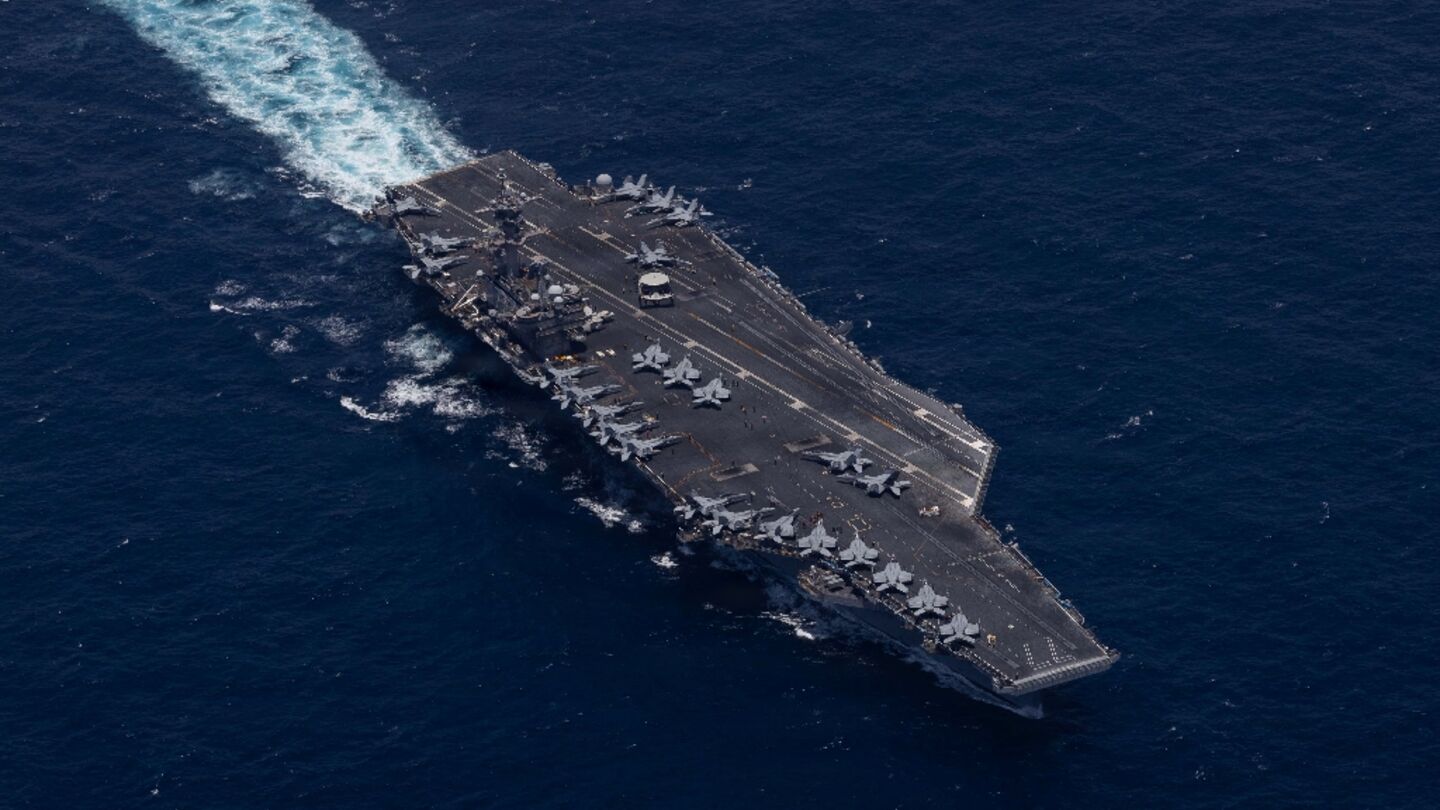
Trump said Washington's blockade of Iranian ports would remain in place as Tehran kept up its own closure of the vital waterway.
President Donald Trump said late Tuesday that the United States was temporarily pausing its newly launched naval escort mission in the Strait of Hormuz, citing progress toward a possible agreement to end the two-month war with Iran.
Washington launched the Project Freedom maritime operation on Monday in a bid to restore commercial shipping through the strategic waterway, where Iran has imposed a de facto blockade since the war began in February. Iran’s Islamic Revolutionary Guard Corps warned that vessels crossing the strait without Tehran’s approval “will be stopped by force.”
Trump said Project Freedom would be suspended while negotiations continue following requests from Pakistan, which has been mediating between Tehran and Washington.
Trump stopped short of elaborating on the progress made in the talks. However, the White House believes it is nearing a preliminary agreement with Iran to end the war and launch broader nuclear negotiations. Axios reported that Tehran is expected to respond to key proposals within 48 hours, citing two US officials and two other sources briefed on the issue.
The United States’ blockade on Iranian ports will remain in place as Tehran maintains its own closure of the strait, according to Trump.
The announcement came as Iranian Foreign Minister Abbas Araghchi met Chinese Foreign Minister Wang Yi in Beijing on Wednesday, Tehran’s highest-level diplomatic outreach to China since the war began. Iranian state media said Araghchi stressed Tehran would only accept a “fair and comprehensive agreement.”
Speaking ahead of the visit, US Secretary of State Marco Rubio called on China to pressure Iran to end its blockade of the waterway.
"I hope the Chinese tell [Araghchi] what he needs to be told, and that is that what you were doing in the straits is causing you to be globally isolated," Rubio said.
Rubio said Washington had seen “progress” over Iran’s enriched uranium stockpile, though he offered no details.
Prior to the war, Iran had indicated it could dilute some of its highly enriched uranium in exchange for sanctions relief, while continuing to insist on its right to enrich the material for what it describes as civilian purposes.
Rubio also warned that Tehran faces “economic collapse” and “total defeat” unless it agrees to reopen the Strait of Hormuz and scale back its nuclear program. Elizabeth Hagedorn reports from Washington.

Ethiopia rejects Sudan's strike claims
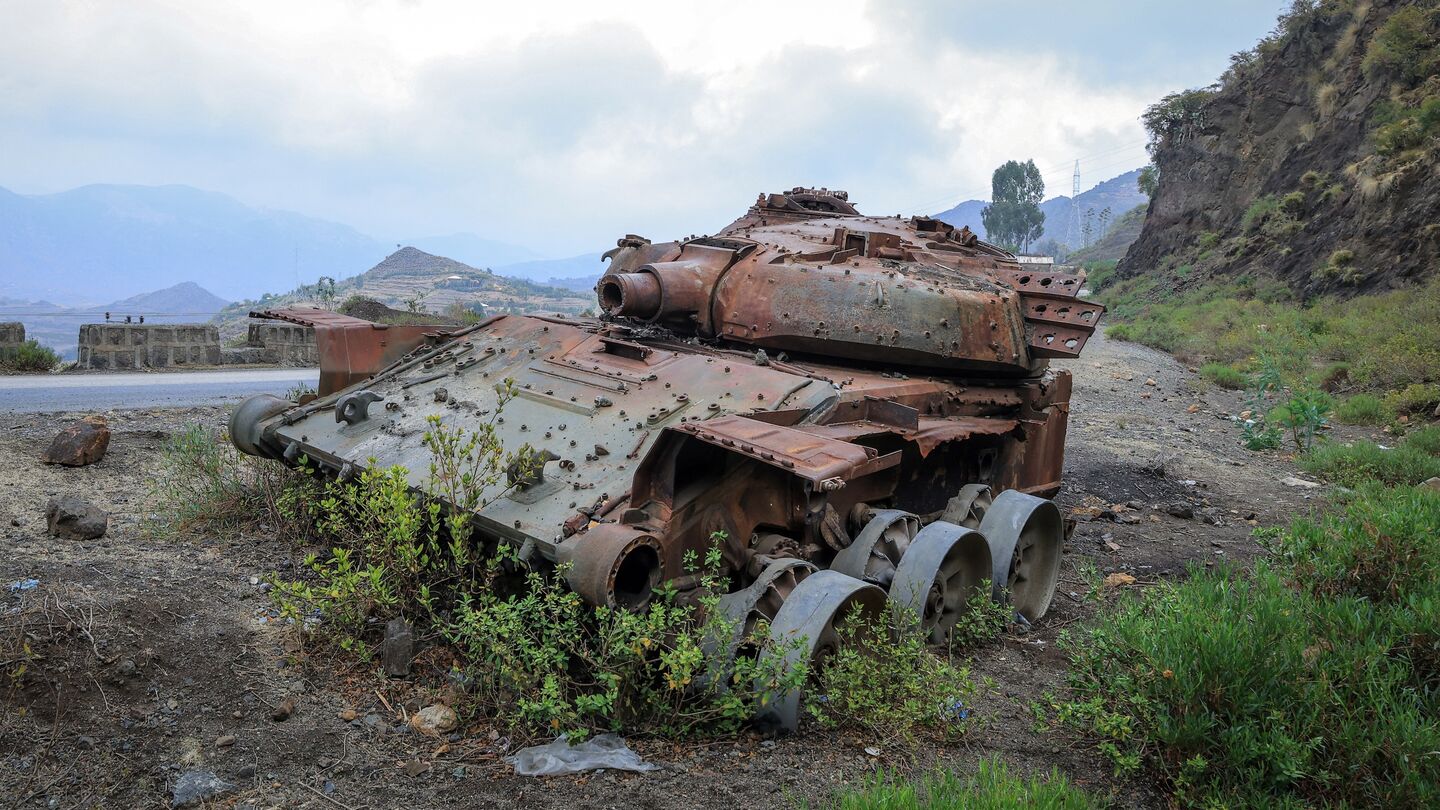
The charred remains of a tank from clashes between the Ethiopian National Defense Force (ENDF) and the Tigray People's Liberation Front (TPLF) lie on a road near Gereb Agew, Southern Tigray, on March 3, 2026. — Abel Gerezgiher / AFP via Getty Images
On Tuesday, Ethiopia rejected Sudanese accusations that its territory was used to launch drone strikes against Sudan, instead accusing Sudan’s military of supporting Tigray fighters along Ethiopia’s western border.
Sudanese officials argued earlier this week that drones targeting Khartoum International Airport and other sites were launched from Bahir Dar Airport in northern Ethiopia, alleging that some were operated with support from the United Arab Emirates.
Ethiopia dismissed the claims as “baseless” while accusing Sudan’s army of arming and financing fighters linked to the Tigray People’s Liberation Front, a militant group seeking greater regional autonomy and influence in Ethiopia.
The UAE separately denied involvement, calling the allegations “fabricated.”
The accusations come amid growing instability across the Horn of Africa, where tensions between Ethiopia and Eritrea are also worsening and clashes have resurfaced between Ethiopian federal forces and Tigrayan groups, raising fears of a broader regional conflict. Rosaleen Carroll has the details.

EU says energy costs tied to Hormuz crisis have surged past $35B
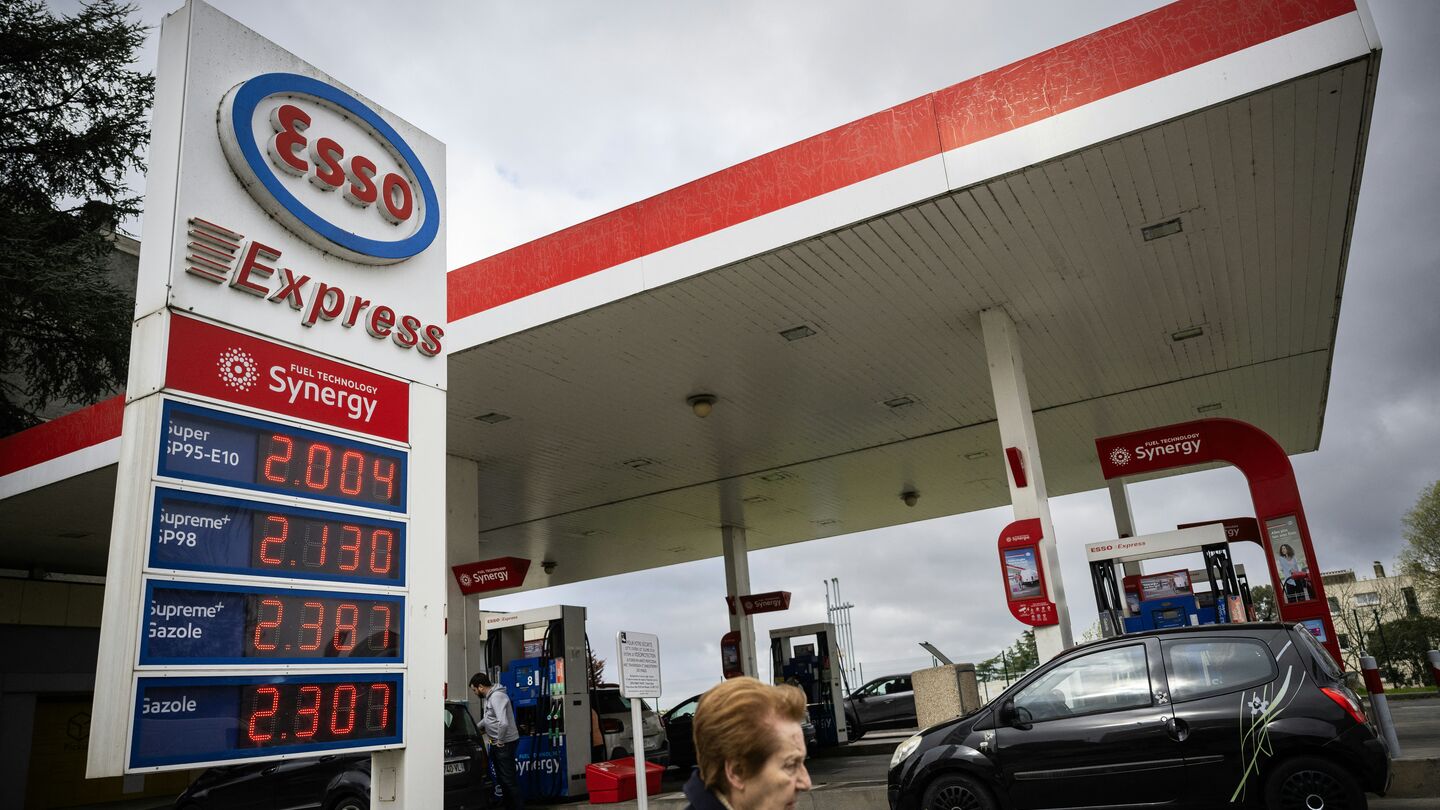
An elderly pedestrian walks past a daily prices panel for SP95-E10, SP98 and diesel at a Esso Express petrol station in Toulouse, southwestern France, on April 3, 2026, as the US-Israel war on Iran has roiled global energy and equities markets, sending oil prices skyrocketing after Tehran virtually closed the key Strait of Hormuz. — Lionel BONAVENTURE / AFP via Getty Images
The Iran war and the disruption of shipping through the Strait of Hormuz have already cost the European Union more than $35 billion in additional fossil fuel imports, EU Energy Commissioner Dan Jorgensen warned on Tuesday, describing the situation as potentially the world’s most severe energy crisis to date.
Since the start of the US and Israeli war against Iran on Feb. 28, attacks on commercial vessels and declining traffic through Hormuz have driven global energy prices up sharply as no additional supply reaches Europe.
European gas prices have surged roughly 40% since the conflict began, while concerns are also mounting over jet fuel supplies, of which Europe imports around 75% from Gulf producers.
Jorgensen warned that rising fuel costs could soon lead to flight disruptions and higher ticket prices across Europe. The comments come as European countries race to secure energy supplies ahead of winter and reduce exposure to volatile fossil fuel markets.

Turkey, Armenia agree to restore medieval bridge in normalization push
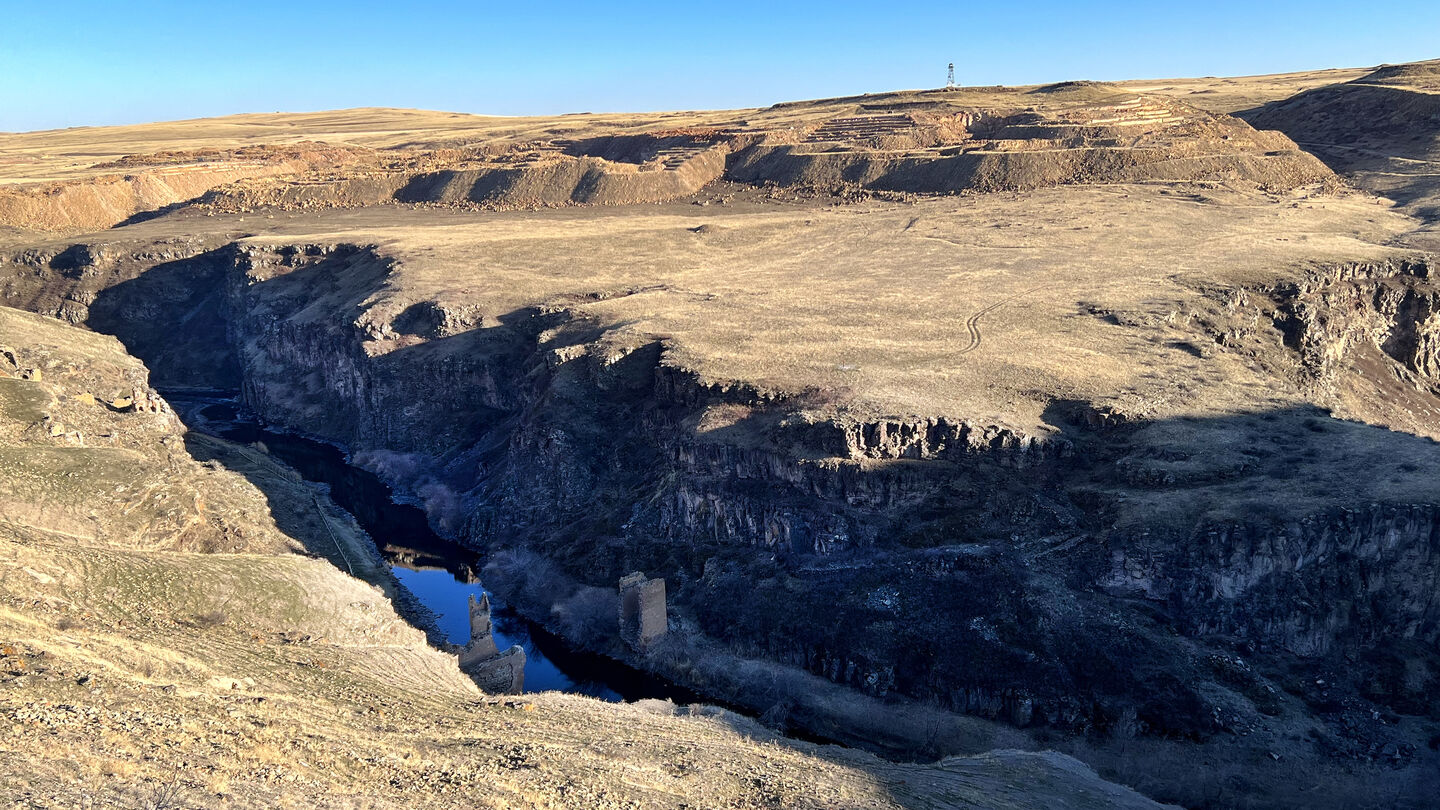
A picture taken near Kars on Feb. 28, 2024, shows the ruins of a bridge over the Arpacay River, the natural border between Turkey and Armenia. — YASIN AKGUL/AFP via Getty Images
Turkey and Armenia have agreed to jointly restore the medieval Ani Bridge on their closed border, a step in the countries’ slow-moving normalization process ahead of Armenia’s June 7 parliamentary elections.
The deal was signed in Yerevan during Turkish Vice President Cevdet Yilmaz’s meeting with Armenian Prime Minister Nikol Pashinyan. Yilmaz's visit was the highest-level Turkish visit to Armenia since 2008.
Pashinyan faces a closely watched election against nationalist and pro-Russia opposition groups critical of his reconciliation efforts with both Turkey and Azerbaijan. Ankara views Pashinyan as central to preserving progress in regional diplomacy and the broader Armenia-Azerbaijan peace process.
This one's on us.
The story doesn't end here.
Our correspondents are already on the next chapter. Read everything they file, from $2/week.
See Offers