Iran threatens to again close Hormuz, if US blockade continues


Tehran threatened on Saturday to shut the Strait of Hormuz once more if the United States continues its blockade of Iranian ports, hours after Iran announced it had reopened the strategic waterway in the wake of a ceasefire in Lebanon.
The potential for the resumption of transit had lifted stock markets on Friday and prompted optimism from Washington, with President Donald Trump telling AFP a broader US-Iran peace deal was "very close" and saying Tehran had agreed to hand over its enriched uranium -- a key sticking point in negotiations.
"We're going to get it by going in with Iran, with lots of excavators," Trump said at an event in Arizona.
Iran, however, pushed back on the claim, saying its stockpile of enriched uranium was not going anywhere.
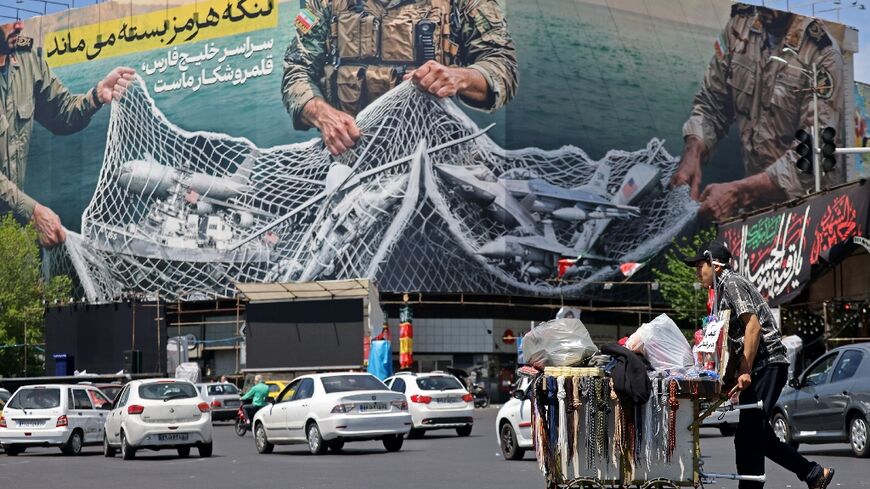
It also warned that if US warships intercepted vessels coming from Iranian ports, the Strait of Hormuz -- a key global trade artery through which about a fifth of global crude oil and liquefied natural gas typically passes -- could be closed again.
"With the continuation of the blockade, the Strait of Hormuz will not remain open," parliamentary speaker Mohammad Bagher Ghalibaf wrote on X, adding that passage through the waterway would require authorization from Iran.
"What they call a naval blockade will definitely be met with an appropriate response from Iran," said Iranian foreign ministry spokesman Esmaeil Baqaei, calling the naval blockade "a violation of the ceasefire" it struck with Washington for a fortnight to enable talks.
US forces have so far directed 21 ships to turn around since the blockade began this week, the US Central Command posted on X overnight, accompanied by an image of an American guided-missile destroyer patrolling the Arabian Sea.
The sour notes came on a day that Trump had hailed as "GREAT AND BRILLIANT," with a series of social media posts praising talks mediator Pakistan and Gulf allies.
Despite the discord over the status of the strategic waterway, Pakistani leaders whose mediation led to historic face-to-face talks between Washington and Tehran envoys in Islamabad last week, pushed for the warring sides to finalize an agreement to end the war.
In his phone interview with AFP, Trump added: "Looks like it's going to be very good for everybody. And we're very close to having a deal," adding that there were "no sticking points at all" left with Tehran.
That echoed the US president's earlier comments he would consider flying to Pakistan to sign any deal struck, raising hopes of another meeting in Islamabad after US Vice President JD Vance left last weekend after 21 hours of talks he said ultimately could not strike a permanent deal.
But casting a shadow of doubt, Trump reiterated on Saturday that he planned to maintain the US naval blockade if a peace deal with Iran were not reached, though he signalled he was open to extending the ceasefire with Iran after it expires on Wednesday.
"Maybe I won't extend it, but the blockade is going to remain," Trump told reporters aboard Air Force One.
- Fragile gains -
Oil prices had already fallen on hopes of a negotiated end to the conflict, and the drop accelerated on Friday, with stocks heading upwards as traders soaked up the optimism.
Late Friday, the US issued another waiver allowing the sale of Russian oil and petroleum products already at sea, a move likely to further soften oil prices by boosting supply on global markets.
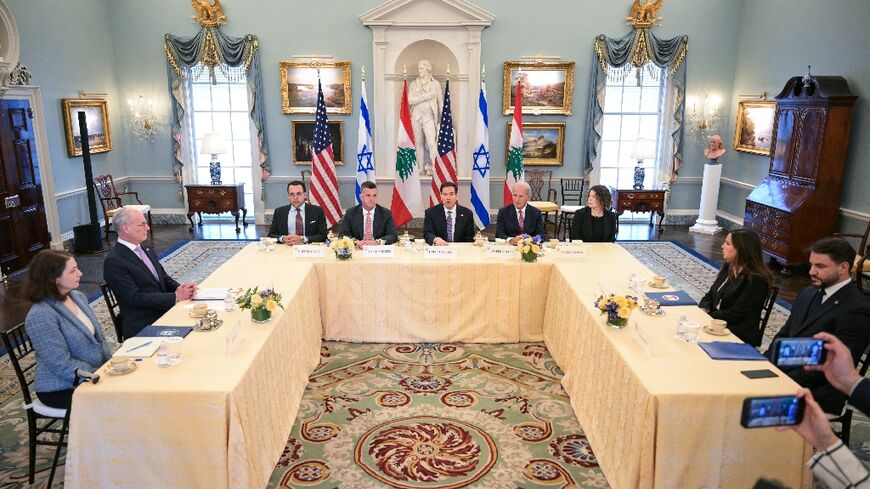
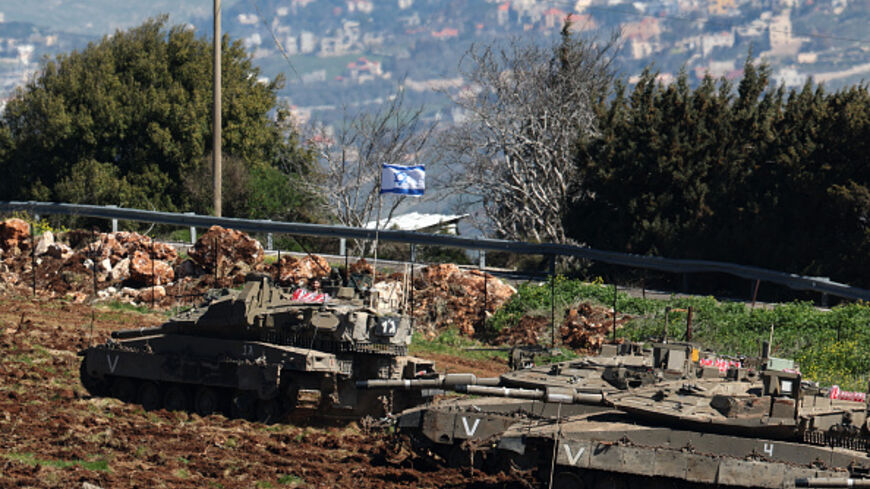
The start of a 10-day ceasefire in Lebanon on Friday and the reopening of the strait marked progress in Washington's push for a broader deal to end its war with Iran, after Tehran insisted that halting the fighting between Israeli forces and Iran-backed Lebanese group Hezbollah must be part of any larger agreement to end the regional conflict.
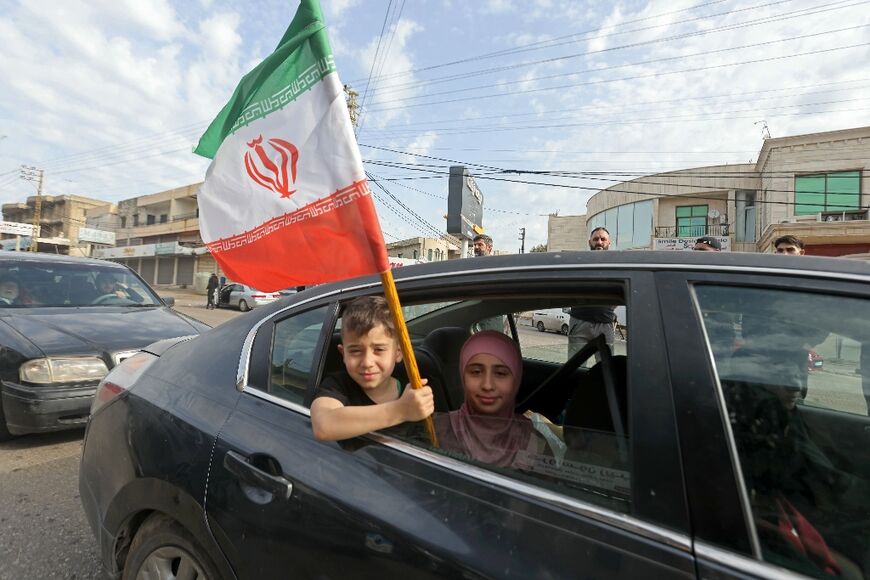
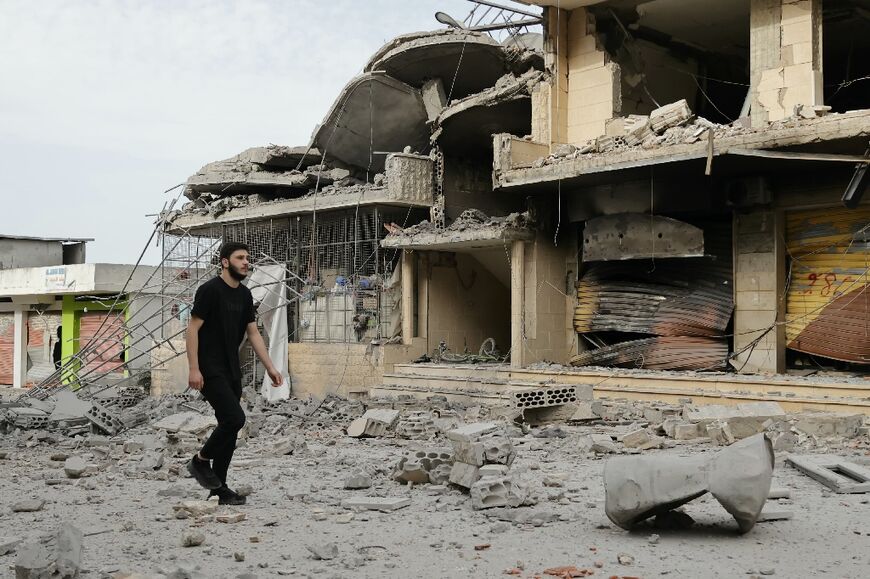
In Lebanon, displaced families began returning to their homes in bomb-damaged south Beirut and the country's war-ravaged southern towns.
"Our feelings are indescribable, pride and victory," 37-year-old Amani Atrash told AFP, adding that she hoped the ceasefire would be extended.
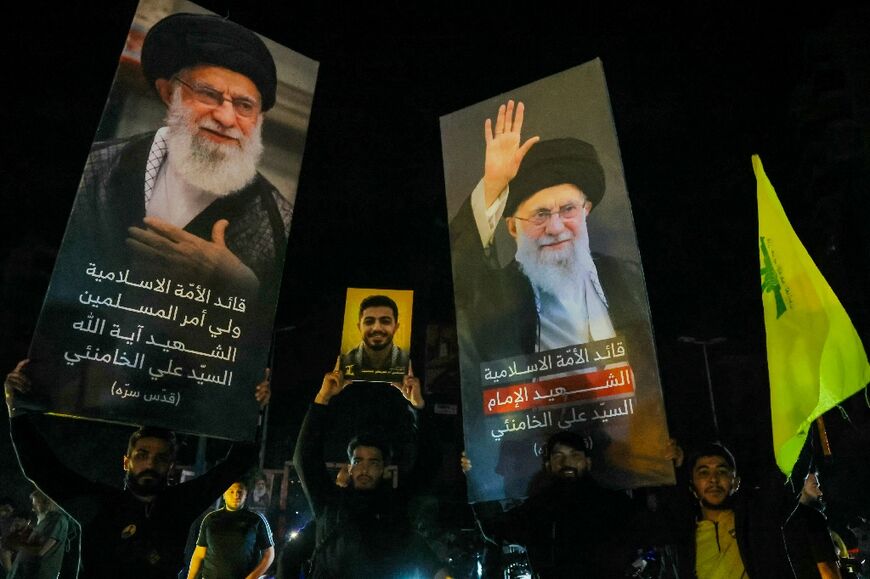
The fighting in Lebanon began on March 2, when Hezbollah fired rockets at Israel days after the wider Middle East war began and in retaliation for the killing of Iran's supreme leader Ali Khamenei.
Trump said Israel had been "prohibited" by Washington from carrying out further strikes and that the United States would work with Lebanon "and deal with the Hezbollah situation in an appropriate manner."
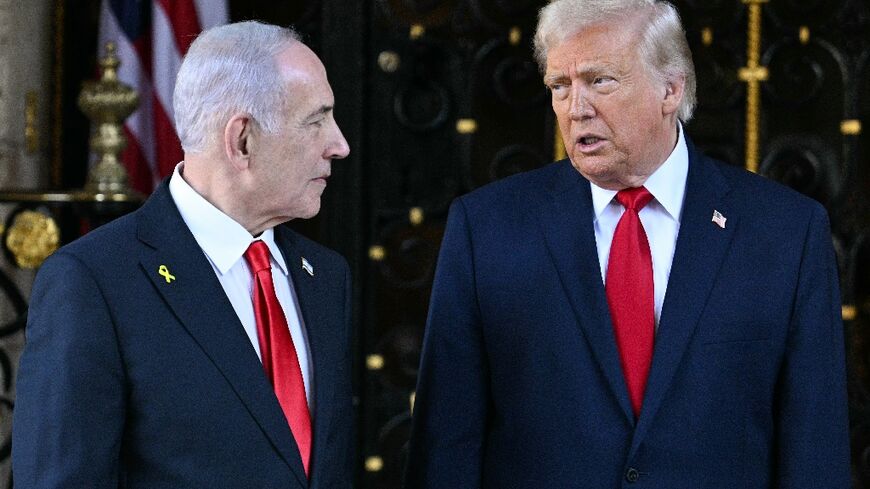
Prime Minister Benjamin Netanyahu warned that the campaign against Hezbollah was not over.
"We have not yet finished the job," he said, adding that a key objective was the "dismantling of Hezbollah".
Hezbollah, meanwhile, warned it remained ready to respond to any Israeli violations.
burs-ft/md/hg/ceg/ane