



Jerusalemites complain about discrimination at airports
The coronavirus appears to have exposed once more the cloudy status of Palestinian residents of East Jerusalem, as the deportation of a professor and the denial of boarding to some has left may worried that the legal status of 350,000 Palestinians is in danger.
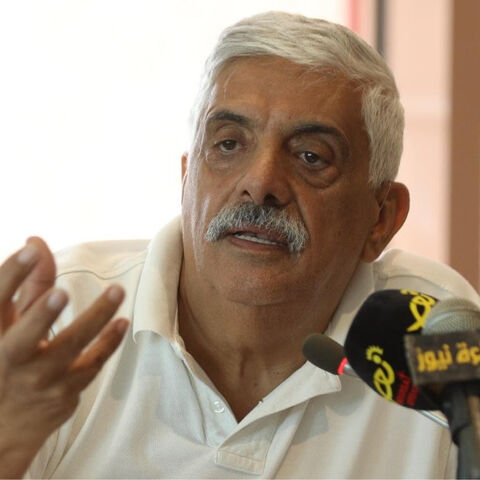

When Khader Abu Alia, an English-language professor at Al-Quds University, boarded United Flight 90 from Newark to Tel Aviv, he had no idea that he wouldn’t be able to return home. He had traveled to the United States for a family emergency and was returning April 14 after a one-month stay. Upon arriving at the passport control of Ben Gurion Airport, he was told he is not an Israeli citizen and he was being deported. He showed them his Jerusalem residency card, his Israeli driver’s license and a returning resident visa valid until 2022. However, he was deported back to the United States on the same plane before having a chance to contact his employer or a lawyer.
Abu Alia has not been the only Jerusalemite who has found himself in a legal blackhole. Palestinian university students from Jerusalem with valid Israeli-issued residency documents were barred from boarding a plane back home. They were separated from Israeli citizens who were allowed to board an Israir Airlines flight back to Tel Aviv. Another group of students trying to return from Turkey were also not allowed to board their flight. In all cases, they were asked if they had an “ishur,” a permit issued by the State of Israel that takes precedence over any travel documents. No such permits were asked of Israeli citizens.
Since July 28, 1967, Israeli civilian law has been implemented in occupied East Jerusalem and its residents were given permanent residency. They are legally allowed to apply for citizenship — less than 5% have — but for the most part requests for citizenship are delayed for years.
Mohammad Maki, a second-year medical student in Russia, told Al-Monitor that he and others had bought a ticket on an Israir flight from Moscow to Tel Aviv on April 24. But at the gate, the airline would only allow Israeli citizens to board. “We were told that we were not allowed to travel and that we needed a special permit from the Israeli Embassy or Israeli Foreign Ministry,” Maki said.


