



Libya's Hifter sets his sights on the capital following Benghazi victory
The Libyan National Army, operating under the command of Gen. Khalifa Hifter, declared victory in Benghazi after ousting Islamists, further consolidating the role Hifter could play in shaping Libya's future.
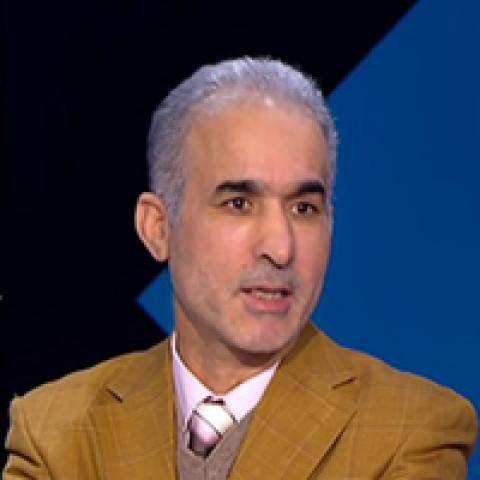

Gen. Khalifa Hifter declared full victory over a coalition of Islamists in Benghazi, in eastern Libya, after nearly three years of fighting that left much of Libya’s second largest city in ruins.
In his July 6 victory speech, Hifter appeared confident that his mission to “liberate” the rest of Libya from what he called “terror” is going well, but he did not say if this means there will be more fighting in western Libya, including the capital Tripoli. Noteworthy, though, Hifter appeared to be reconciliatory toward other military opponents as he called the recent liberation of Sirte from the Islamic State (IS) a “national achievement” instead of dismissing it as a game, as he did before. When rival forces from Misrata, who are aligned with the Tripoli-based Government of National Accord (GNA), liberated Sirte from IS in December 2016, Hifter dismissed the victory as nothing but a game between different militias.
In 2014 when Hifter first launched his fight against Islamists, no one thought that the little-known general would get so far given his difficult and dismal start, which lacked almost everything needed to conduct a successful war against myriad Islamist militias, including IS.
This military victory comes against the background of fast-moving events in the region, including the crisis between a Saudi-led coalition made up of Egypt, Bahrain and the United Arab Emirates on one side and Qatar on the other. The Saudi axis accused Doha of supporting terrorism and destabilizing many countries in the region, including Libya, where IS lost its stronghold of Sirte and now almost all Islamist groups have been driven out of Benghazi. Doha has long been accused of being the main supporter of different Islamist militias in Libya, particularly in Benghazi.


